

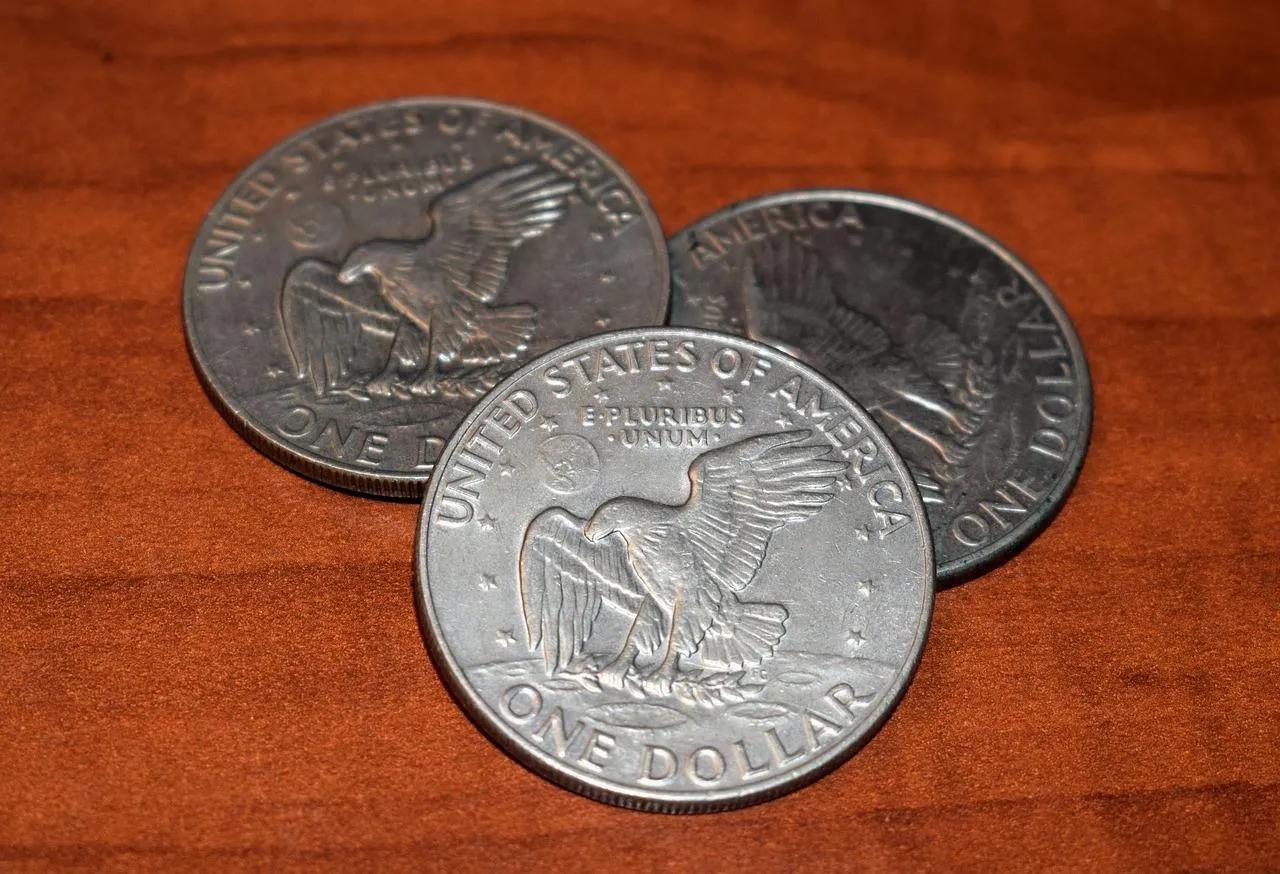
Ten years ago, if you had told a precious metals analyst that solar panels would be one of the most important drivers of the silver spot price, you would have been politely corrected. Silver was still thought of primarily as a monetary metal, a hedge against inflation, and an industrial input in a long tail of small applications that rarely moved markets. That view has aged badly. Solar photovoltaic manufacturing now consumes a staggering share of annual mined silver supply, and anyone watching a live chart such as the silver spot price tracker at SD Bullion is seeing the consequences of that shift play out in real time across every trading session.
The Physical Reality Behind a Solar Panel
A conventional crystalline silicon solar panel uses silver paste along its front contacts to collect the electrical current generated by the photovoltaic cells. Manufacturers have worked hard for years to reduce the amount of silver per panel, driven by cost. The grams per panel have come down; the total number of panels being built has gone up faster. The net effect has been a steady increase in total silver demand from the solar sector every year this decade, with particularly sharp jumps since 2023.
The International Energy Agency has published its most recent annual outlook, and the numbers are worth sitting with. Global solar installations in 2025 set another record, and projections for 2026 through 2030 suggest continued annual growth that will keep pushing demand for the key materials that go into every panel. Silver is high on that list, alongside polysilicon, aluminum, copper, and the rare-earth elements that attract most of the headlines.
Why This Matters for the Silver Spot Price
Commodity markets eventually respond to physical reality. Silver mine supply is not rising fast enough to keep up. Most of the world’s silver is produced as a by-product of copper, lead, and zinc mining rather than by dedicated silver mines, which means silver output is driven by base metal economics rather than silver economics. When the silver spot price climbs, base metal miners do not automatically produce more silver; they produce what they were going to produce anyway, and the extra demand has to come out of existing inventories.
Those inventories have been shrinking. COMEX stocks are down sharply from their peak earlier this decade, and reports from London suggest physical tightness has been a recurring theme throughout 2025 and into 2026. A market where demand grows every year, supply grows slowly if at all, and inventories fall steadily does not typically produce flat prices. It produces the kind of break-out the silver spot price delivered last year, and the kind of volatility it has delivered since.
The New Players in the Silver Market
A decade ago, the biggest buyers of silver tended to be electronics manufacturers and jewelry makers, with investment demand providing the swing. Today, the list of material buyers includes Chinese solar module manufacturers who place standing orders in the hundreds of tonnes, European renewable-energy project developers building utility-scale installations, and increasingly the hardware supply chains for data centers and electric vehicles. None of these buyers care about the gold-to-silver ratio or the chart pattern. They need the metal to build their product, and the silver spot price is a cost they manage rather than a bet they place.
What Could Slow the Train
Bulls should not get too comfortable. The solar industry has spent years reducing its silver intensity per watt and has roadmaps to cut it further. Alternative contact technologies, including copper-based metallization, are advancing. A sharp recession in China would cool installation growth. Mine output from existing projects is expected to tick up slightly in 2026 as recently commissioned operations reach nameplate capacity. Any of these factors could take some pressure off the silver spot price, though analysts who model the interaction tend to conclude that the structural demand story is too large to be offset by incremental changes.
What an Investor Can Actually Do With This Information
The point of understanding the solar-silver link is not to try to day-trade around the next policy announcement. It is to decide whether the structural story is strong enough to justify a long-term allocation. Investors who think solar installations will continue to grow for the rest of this decade, and who accept that silver supply is slow to respond, tend to look at the silver spot price not as a number to time but as a trend to participate in. Whether through physical bars, coins, mining equities, or a blend of the three, they buy in tranches, stop checking the chart every hour, and let the industrial demand story do its slow work.
The Ratio That Still Matters
One of the more useful gauges remains the gold-to-silver ratio. When it sits above seventy, silver tends to be cheap relative to its larger cousin; when it drops below fifty, silver is looking expensive on that comparison. The ratio closed 2025 above eighty and compressed sharply in early 2026 as the silver spot price rallied. Watching where the ratio settles in the coming quarters will tell you more about the market’s willingness to keep pushing silver higher than most of the forecasts produced by investment banks, which have been revised upward twice already this year.