

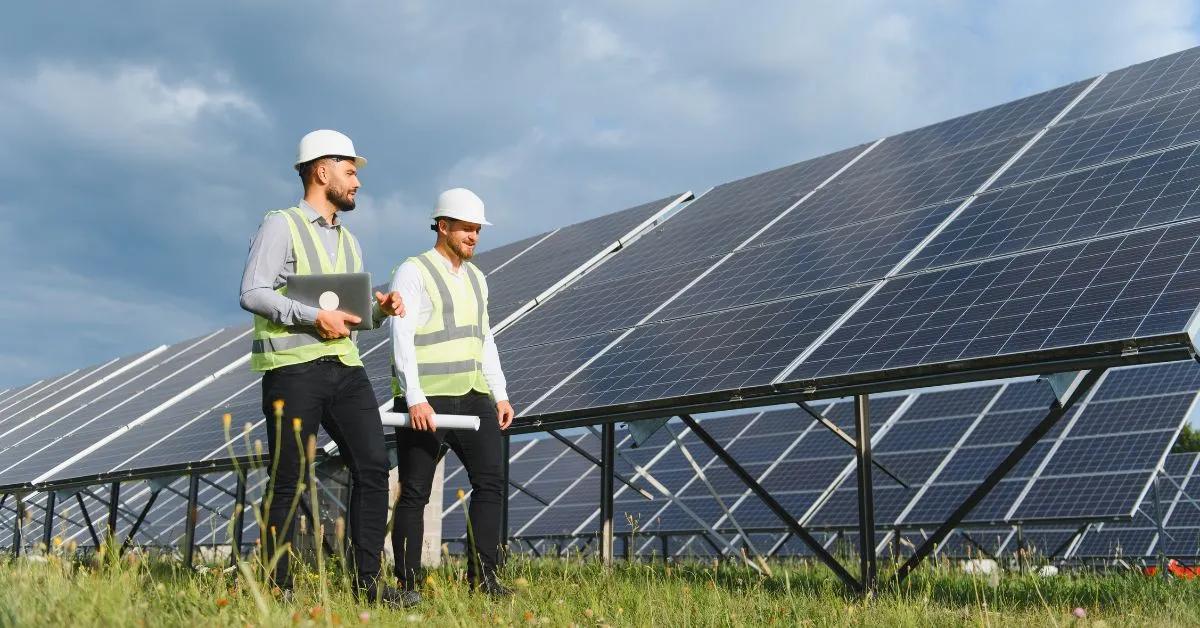
Large solar facilities play an important role in the transition toward cleaner energy. As these installations expand, operators face growing responsibilities beyond energy production. Every solar site requires careful oversight to protect workers while maintaining dependable operations. A strong commitment to safety helps facilities operate efficiently while minimizing unnecessary risk to workers.
Solar installations present unique challenges because they combine powerful electrical systems with extensive outdoor infrastructure. Workers often travel long distances between equipment locations, complicating routine maintenance. Facility managers must improve safety at large solar facilities and address these challenges while supporting long-term operational reliability.
Design the Facility With Safety in Mind
Safety begins during the earliest stages of facility development. Engineers should consider how workers will navigate the property when planning solar array layouts. Equipment placement should allow technicians to perform maintenance without entering unnecessarily hazardous areas. Adequate clearance around electrical infrastructure also gives crews enough room to work comfortably.
Large facilities benefit from clearly defined access routes that connect important equipment locations. Workers should have reliable pathways that remain accessible throughout changing weather conditions. Thoughtful site design can prevent operational challenges that might otherwise compromise worker safety.
Improve Electrical Hazard Identification
Electrical hazards remain among the most serious concerns at large solar installations. Photovoltaic systems can continue producing electricity whenever sunlight reaches the modules, even after personnel disconnect certain equipment. Workers must understand these conditions before approaching electrical components. Clear identification helps technicians recognize potential dangers without relying on assumptions.
Facility managers should carefully evaluate where to install electrical solar placards throughout the property. Proper placement helps workers identify disconnect locations while recognizing equipment-specific hazards. These markings should remain visible during routine operations and emergencies. Accurate identification also helps inspectors evaluate electrical infrastructure.
Outdoor conditions can gradually affect the readability of safety markings. Extended sunlight exposure may cause certain materials to fade, while moisture can weaken unsuitable adhesives. Facility operators should choose durable labeling materials that can withstand the surrounding environment. Regular inspections help ensure that essential information remains legible throughout the equipment's service life.
Establish Consistent Safety Training
Workers need practical training that reflects the conditions they encounter at large solar facilities. General workplace safety knowledge provides a foundation, but solar installations introduce specialized electrical risks. Employees should understand the boundaries of their responsibilities before beginning any assignment. Supervisors must also confirm that workers possess the qualifications necessary for their tasks.
Training should emphasize realistic situations rather than relying entirely on written instructions. Hands-on demonstrations can help technicians recognize unsafe conditions and respond appropriately. Employees also benefit from reviewing incidents that occurred at similar facilities.
Safety education should continue throughout employment. New equipment may introduce unfamiliar hazards that require additional instruction. Facility managers should revisit training expectations whenever operating procedures change. This ongoing approach helps experienced employees maintain safe habits while supporting newer team members.
Conduct Regular Equipment Inspections
Routine inspections help facility managers identify developing problems before they threaten worker safety. Solar infrastructure faces continuous environmental exposure that can gradually degrade equipment. Even minor deterioration deserves attention when it involves electrical systems. Regular oversight lets maintenance teams address concerns before conditions worsen.
Inspection schedules should reflect the operating environment and equipment manufacturer's recommendations. Facilities in harsh climates may require additional attention after severe weather.
Technicians should document unusual findings and communicate concerns through established reporting procedures. Accurate records help managers recognize recurring issues that need permanent solutions.
Manage Vegetation and Ground Conditions
Vegetation management plays an important role in maintaining safe solar facilities. Excessive plant growth can restrict movement between arrays and interfere with access to equipment. Dry vegetation can also increase fire risk under certain weather conditions. Facility managers need a maintenance strategy that reflects local environmental characteristics.
Ground conditions deserve equal consideration because workers frequently travel across unpaved surfaces. Heavy rainfall can weaken access routes and create unstable walking conditions. Poor drainage may also affect the foundations supporting electrical infrastructure. Regular site assessments help operators identify these concerns before they disrupt maintenance.
Prepare Workers for Extreme Weather
Outdoor work exposes solar facility employees to changing environmental conditions. High temperatures can increase physical strain during lengthy maintenance assignments. Severe storms may also create dangerous circumstances around electrical infrastructure. Managers must set clear guidelines to help workers recognize when conditions require extra precautions.
Weather monitoring should influence daily work planning. Supervisors need reliable information before assigning tasks across distant areas of the property. Employees should also know when to stop working and move toward safety. Consistent communication reduces uncertainty during rapidly changing conditions.
Heat exposure requires particular attention during warmer months. Workers may underestimate physical exhaustion when concentrating on technical assignments. Managers should encourage appropriate rest periods and ensure employees have access to drinking water. A supportive workplace culture lets individuals report symptoms without fear of negative consequences.
Strengthen Communication Across the Facility
Communication becomes more challenging as solar facilities expand across large properties. Maintenance crews may work far from their supervisors while performing specialized assignments. Reliable communication systems help employees request assistance when unexpected situations arise. Managers should ensure workers can stay in contact throughout the site.
Clear reporting procedures also improve everyday safety. Employees should feel comfortable raising concerns whenever they notice potentially hazardous conditions. Supervisors must respond promptly and explain how the facility will address reported issues. This transparency encourages workers to remain actively involved in prevention.
Develop Reliable Emergency Response Procedures
Emergency preparation requires more than displaying evacuation instructions. Large solar facilities need response plans that reflect their electrical infrastructure and physical layout. Managers should identify realistic emergency scenarios and determine how personnel should respond. These procedures must account for the distances workers may need to travel.
Local emergency responders can provide valuable insight during planning. Facility operators should explain the site's electrical characteristics while identifying appropriate access arrangements. Responders also need accurate information about equipment that may remain energized. Collaborative preparation helps emergency personnel make informed decisions under pressure.
Make Preventive Maintenance a Priority
Preventive maintenance supports safety by reducing the likelihood of unexpected equipment failures. Technicians should address developing problems before they interrupt normal operations. A structured maintenance program helps managers allocate sufficient time for careful repairs.
Electrical maintenance requires strict control of energy. Qualified personnel must verify safe working conditions before beginning tasks that could expose them to hazardous energy. Solar equipment adds complexity because photovoltaic modules may continue generating electricity. Workers should use appropriate procedures that reflect the actual system configuration.
Maintenance planning should account for equipment age and operating history. Managers should review service records to identify patterns that indicate emerging concerns. Proactive decisions help protect employees while supporting dependable energy production.
Build a Lasting Culture of Safety
Improving safety at large solar facilities requires consistent leadership and meaningful employee participation. Written procedures provide direction, but daily decisions determine whether those procedures succeed. Managers should show their commitment by taking concerns seriously. Workers should also recognize their responsibility to protect themselves and their colleagues.
A positive safety culture encourages thoughtful action instead of unnecessary risk-taking. Employees need confidence that supervisors will support responsible decisions, even when those decisions affect production schedules. Open communication strengthens trust throughout the organization. That trust helps safety become a natural part of everyday operations.