

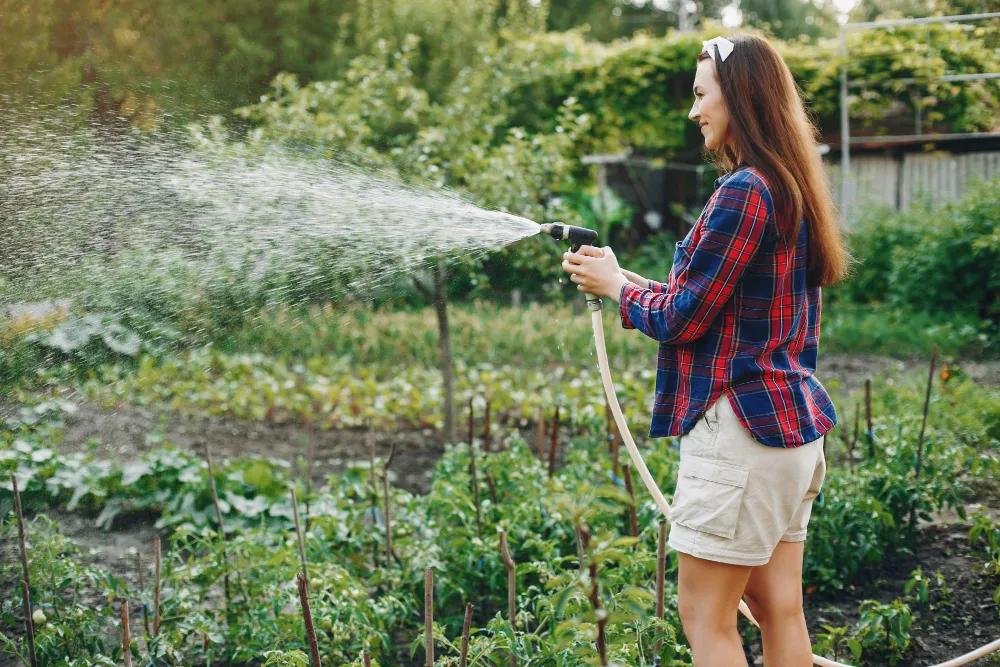
A healthy garden depends on more than sunlight and good soil — it depends on water, and more specifically, on how well that water is managed. Many gardeners water on instinct, running a hose or sprinkler system until the ground "looks wet enough," without ever knowing how many gallons actually went into the lawn or flower beds. Over time, this guesswork leads to two common problems: overwatering, which wastes a valuable resource and can damage root systems, and underwatering, which leaves plants stressed during dry spells. Understanding how to measure garden water usage is one of the simplest ways to grow a healthier landscape while keeping your water bill and environmental impact in check.
Why Measuring Garden Water Usage Matters
Outdoor watering can account for a significant portion of a household's total water consumption, especially during summer months when lawns and gardens need more frequent attention. Without a clear way to track usage, it's nearly impossible to know whether your irrigation habits are efficient or wasteful. Measuring water usage gives you concrete numbers instead of assumptions, allowing you to compare how much water different zones of your garden actually receive, spot leaks or inefficiencies in your hose and sprinkler setup early, and adjust watering schedules based on real data rather than guesswork. This kind of awareness is the foundation of efficient outdoor watering, and it starts with knowing how to monitor consumption in the first place.
Common Ways Gardeners Estimate Water Use
Before diving into more precise tools, it helps to understand the traditional (and often inaccurate) methods gardeners have relied on for years.
The Catch-Cup Method
Placing shallow containers around the lawn during sprinkler use and measuring how much water collects in a set time is a popular DIY approach. It gives a rough estimate of how evenly water is being distributed, but it doesn't account for hose-based watering, drip irrigation, or manual watering with a watering can.
Timing the Hose
Some gardeners simply time how long they run a hose and estimate flow based on average household water pressure. This method is quick, but water pressure varies significantly between homes, hose diameters, and even the time of day, which makes the estimates unreliable.
Soil Moisture Checks
Sticking a finger or moisture probe into the soil tells you whether the ground is wet, but it doesn't tell you how much water was actually delivered to reach that moisture level, making it hard to fine-tune watering schedules over time.
While these methods are better than nothing, they all share the same limitation — none of them provide an accurate, consistent measurement of actual water flow.
Monitoring Irrigation Water Consumption More Precisely
For gardeners who want real numbers rather than estimates, dedicated measurement tools make a significant difference. Attaching a water flow meter directly to an outdoor hose or irrigation line allows you to track exactly how many gallons or liters pass through during each watering session. This kind of direct measurement removes the guesswork entirely, giving a clear picture of consumption for each zone of the garden, whether that's a vegetable bed, a flower border, or a stretch of lawn. Over time, tracking this data helps identify patterns — for example, noticing that one area consistently uses more water than expected, which could point to a leak, a clogged sprinkler head, or simply an area that needs a schedule adjustment.
Improving Outdoor Watering Efficiency
Once you have a clearer picture of your garden's water consumption, the next step is using that information to water more efficiently. A few practical strategies include:
Water during cooler hours. Early morning or late evening watering reduces evaporation loss, meaning more of the water you use actually reaches plant roots instead of evaporating in the heat.
Group plants by water needs. Placing plants with similar water requirements together makes it easier to apply consistent, appropriate amounts of water rather than over- or under-serving certain areas.
Check for leaks regularly. A dripping hose connection or cracked sprinkler head can waste a surprising amount of water over a season. Regular flow monitoring makes these issues easier to catch early.
Adjust for weather and season. Water needs change throughout the year, and a system that measures actual flow allows you to scale watering up or down based on rainfall, temperature, and plant growth stages, rather than sticking to a fixed schedule year-round.
Use drip irrigation where possible. Drip systems deliver water directly to the root zone, reducing waste from runoff and evaporation compared to overhead sprinklers.
Combining these habits with accurate flow measurement turns garden watering from a routine chore into a more deliberate, resource-conscious practice.
The Bigger Picture: Sustainable Gardening Starts With Awareness
Efficient garden irrigation isn't just about saving money on water bills, though that's certainly a benefit. It's also about being a more responsible steward of a resource that's increasingly strained in many regions. Gardens that are watered efficiently tend to develop stronger, deeper root systems, because plants are encouraged to seek moisture rather than relying on frequent shallow watering. This, in turn, makes gardens more resilient during dry spells and reduces the overall demand placed on local water supplies.
Small changes — like measuring how much water a hose delivers per minute, tracking usage across different garden zones, or simply paying closer attention to flow rather than relying on visual cues — add up to meaningful improvements over a full growing season.
Conclusion
Garden irrigation doesn't have to be a guessing game. By moving away from rough estimates and toward accurate measurement of water flow, gardeners can water more efficiently, catch problems like leaks or uneven distribution early, and make informed decisions about how to adjust their systems throughout the year. Whether you're maintaining a small backyard flower bed or managing irrigation across a larger lawn, understanding exactly how much water you're using is the first step toward a healthier, more sustainable garden — one that grows well without wasting a valuable resource in the process.