

Image source : unsplash
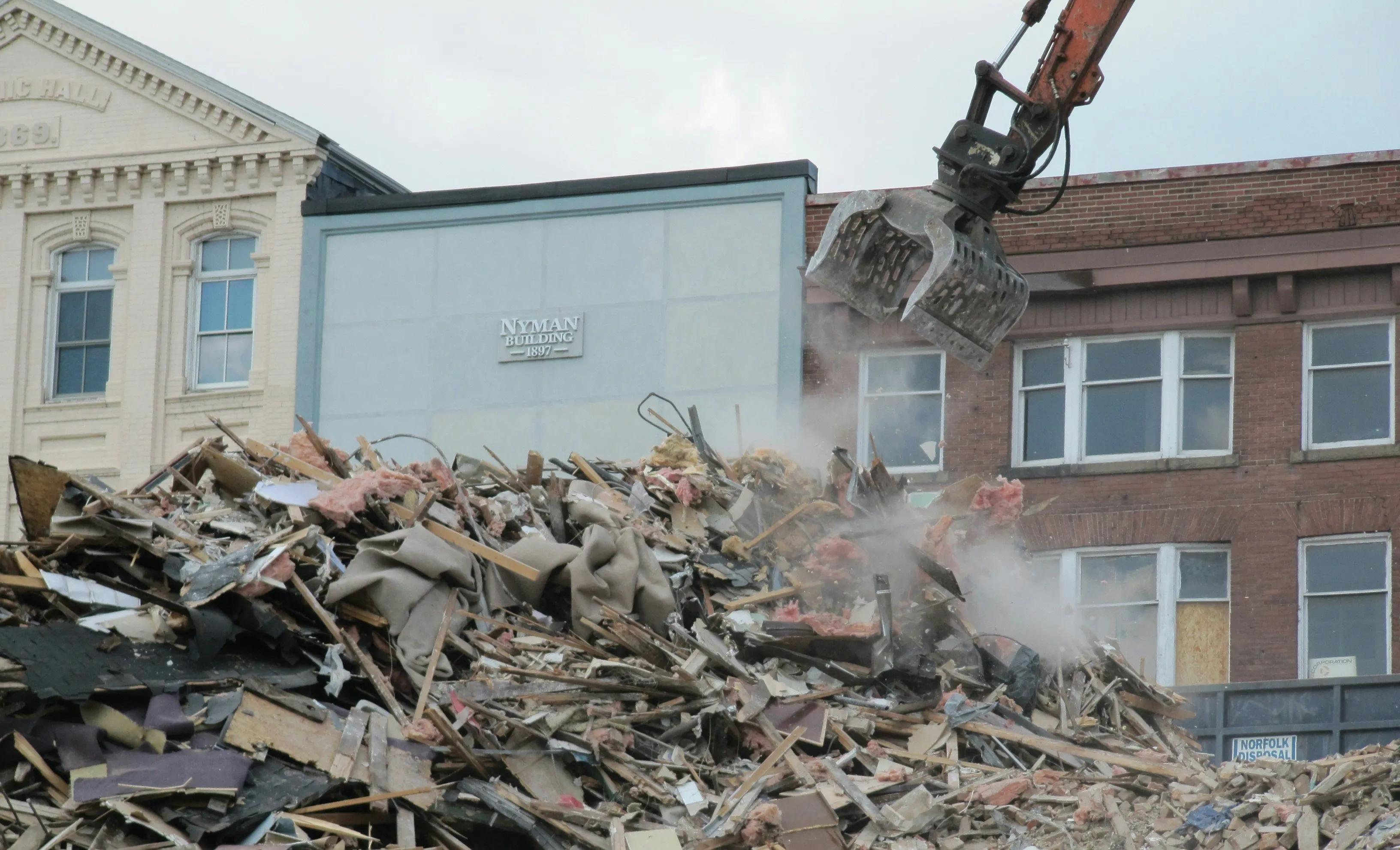
Construction and demolition projects leave a visible mark on nature. Piles of leftover materials and broken components lead to environmental pollution.
For instance, construction waste generates dust and volatile organic compounds (VOCs), which can worsen air pollution. Therefore, managing construction waste should be a high-priority task in places with increasing pollution.
Gainesville, Georgia, for example, faces a moderate air quality risk. It has poorer air quality than 69% of cities in Georgia (GA), and it is projected to worsen over the next 30 years.
Connecting with a scrap yard in Gainesville, GA, can help minimize the environmental impact of construction and demolition waste.
Much of that waste still has potential value. Reducing this type of waste does not require massive policy shifts or expensive technology. It starts with everyday habits adopted by contractors, homeowners, and property managers who think ahead and act with intention.
Planning With Material Lifespan in Mind
Waste reduction often begins before a single wall is torn down or built. Choosing materials that are durable, reusable, or recyclable changes the entire trajectory of a project. When builders select products solely for cost or speed, they may overlook how those materials will be handled at the end of their useful life.
Thinking about lifespan encourages smarter decisions. Materials like metal framing, fixtures, and certain types of wood can often be repurposed rather than discarded. Planning for disassembly rather than destruction makes it easier to separate materials later, reducing contamination and increasing the likelihood of reuse.
Consider the example of timber houses in Luxembourg. A life-cycle assessment comparing two functionally identical single-family homes found that most environmental impacts of the timber building stem from non-structural components.
Overall, the timber house shows stronger end-of-life performance, with lower global warming potential and primary energy use, and the inclusion of reusable floors offers modest improvements. While reusable timber floors further reduce global warming potential, they can also increase primary energy use when the final lifecycle stage is considered.
Separating Materials During the Project
One common reason construction waste piles up is poor separation. When materials are mixed together on-site, recycling or reuse becomes far less practical. Keeping metal, concrete, wood, and general debris separated from the start makes downstream handling simpler and more effective.
This habit becomes especially useful when working with regional recycling and reuse facilities. According to Olympus Recycling, aluminum, copper, brass, steel, and other waste can be recycled. Stainless steel, batteries, compressors, and radiators can also be recycled efficiently.
Technology can help sort construction and demolition waste. An MDPI study shows that computer vision and robotics can quickly sort construction waste. It presents a sensitivity analysis comparing automated computer vision-enabled sorting with conventional manual and mechanical sorting.
The results suggest that automated systems become financially competitive when labor costs are high. The study highlights the potential of AI-driven robotic sorting to improve sustainability and efficiency in construction waste management.
Reusing Materials Whenever Possible
Not everything removed from a site is damaged or outdated. Cabinets, doors, lighting fixtures, and structural components can often be reused either on the same project or elsewhere. Salvaging materials requires patience and care, but it pays off by reducing purchasing needs and lowering waste volumes.
Homeowners tackling renovations can benefit from this habit as well. Setting aside usable items instead of rushing to discard them creates opportunities for donation, resale, or future use. Over time, this approach builds awareness of the value of materials commonly treated as disposable.
The Environmental Protection Agency’s guidance on construction and demolition (C&D) materials highlights strategies to divert debris from disposal. It also reduces environmental harm by emphasizing source reduction, reuse, recycling, and the purchase of recovered materials.
It encourages designing buildings for adaptability and easy disassembly so components can be salvaged. Both homeowners and businesses in the construction industry can use deconstruction methods to recover valuable materials before demolition.
Choosing Deconstruction Over Demolition
Traditional demolition prioritizes speed, but deconstruction focuses on careful removal. While it may take longer, deconstruction allows valuable materials to be recovered intact. This approach is especially useful for older buildings where wood, brick, and metal components are often still in good condition.
Even partial deconstruction can make a difference. Removing certain elements by hand before mechanical demolition begins increases the amount of material that can be reused or recycled. Over time, this habit shifts how people think about old structures, viewing them as sources of materials rather than waste.
Choosing deconstruction over demolition also creates opportunities for local reuse and resale markets to thrive. Materials recovered intact can reenter circulation quickly, supporting secondary supply chains and reducing demand for newly manufactured products.
Tracking Waste to Encourage Better Habits
Measuring waste brings accountability. When contractors or property managers track how much material leaves a site, patterns begin to emerge. Repeated overordering, frequent damage, or inefficient handling become easier to identify and correct.
Tracking also helps teams set realistic reduction goals. Seeing progress reinforces better habits and encourages further improvements. Over time, this awareness leads to smarter decisions and a more thoughtful approach to material use.
Tracking waste to encourage better habits becomes even more effective when the data is reviewed and shared across teams. Regularly examining disposal records helps identify recurring issues, such as excess ordering or avoidable damage, and prompts practical adjustments on future projects.
Over time, this transparency supports more informed decision-making and reinforces accountability, turning waste tracking into a tool for continuous improvement rather than simple recordkeeping.
Frequently Asked Questions
What role does material selection play in minimizing environmental impact?
Choosing sustainable, durable, or recyclable materials can drastically reduce waste over a building’s life cycle. Materials that are modular or easy to disassemble allow for reuse or recycling at the end of a project. Additionally, using locally sourced products lowers transportation emissions and supports environmentally responsible procurement practices.
How does construction site organization affect waste generation?
A well-organized site can prevent unnecessary damage, misplacement, or contamination of materials, which are common causes of waste. Clear storage areas, labeled bins, and designated spaces for different materials make it easier to separate, salvage, and recycle items, ultimately saving both time and resources while improving project efficiency.
Can small construction projects benefit from waste reduction strategies?
Absolutely. Even small-scale projects like home renovations or minor building repairs generate materials that can be reused or recycled. Implementing separation, reuse, and proper disposal habits on any size project prevents unnecessary landfill contributions, lowers costs, and promotes a culture of sustainability that can influence larger community projects.
Construction and demolition waste may seem inevitable, but it does not have to be excessive. Simple habits practiced daily can change how materials move through a project and where they end up afterward.
With better planning, clearer communication, and a focus on reuse and separation, waste becomes something to manage thoughtfully rather than accept passively. These small shifts lead to cleaner sites, lower costs, and a more responsible approach to building and renovation.