

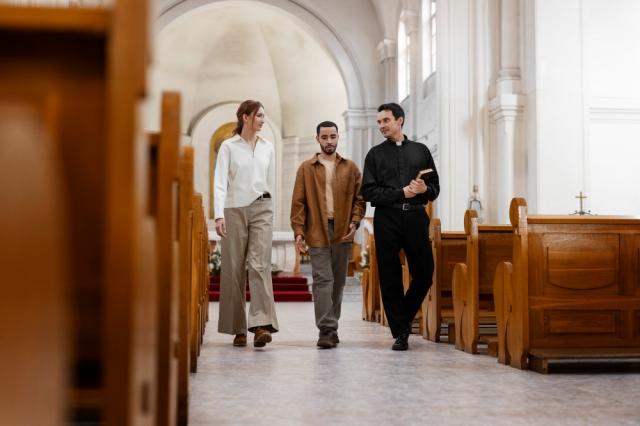
In many communities around the world, small churches form the backbone of faith and fellowship. Though they may not have the expansive budgets, professional choirs, or cutting-edge technology of large congregations, small churches often embody the true essence of worship—intimacy, authenticity, and unity. The misconception that worship transformation requires massive resources is quickly fading. Today, creativity and intentionality matter far more than size or scale.
With the right approach, even a modest congregation can cultivate powerful, spirit-filled experiences that deeply resonate with attendees and attract new members seeking genuine connection. Here's how small churches can make a big impact by embracing fresh worship ideas designed for congregations of every size.
Embracing the Heart of Worship
At its core, worship isn't about production value—it's about presence. Whether your church meets in a sanctuary, school gym, or rented hall, creating meaningful worship moments starts with understanding your congregation's heart and spiritual needs.
Begin by listening. Encourage open dialogue about what worship means to your community. Do members connect most deeply through traditional hymns or contemporary praise songs? Are there cultural elements, like local instruments or languages, that could bring authenticity and diversity into your services?
Small churches often have the advantage of knowing their members personally. This allows leaders to tailor worship experiences that reflect shared values and stories. When people see themselves represented in worship—through song choices, testimonies, or scripture readings—it strengthens their sense of belonging and spiritual engagement.
Creative Music Approaches for Smaller Teams
One of the most common challenges small churches face is limited musical resources. But even without a full worship band or choir, music can still be deeply impactful. Consider simplifying arrangements. Acoustic sets or piano-led worship sessions often feel more intimate and heartfelt. Use pre-recorded instrument tracks to accompany live vocals if you lack musicians, or collaborate with nearby churches to share resources for special events.
Encouraging congregational participation can also transform the atmosphere. Instead of relying on performance-style worship, invite the entire community to sing, clap, or even lead verses together. This inclusivity fosters unity and enthusiasm that a large-scale production might struggle to replicate.
If you're looking for inspiration, platforms like worshipideas offer a wealth of creative suggestions for churches of all sizes—from song selections and planning tips to insights on engaging modern worshipers. By exploring new approaches and adapting them to your context, your music ministry can thrive regardless of numbers or budget.
The Power of Storytelling in Worship
In smaller settings, storytelling can be one of the most effective tools for connecting hearts and minds. Personal testimonies, reflections, or creative readings breathe life into worship and make scripture relatable.
Encourage members to share moments where they've seen faith in action—answers to prayer, moments of grace, or lessons learned through hardship. These narratives remind everyone that God is at work in ordinary lives, not just in extraordinary circumstances.
You can also incorporate visual storytelling. Display photos, short video clips, or slideshows during worship that illustrate a theme or scripture passage. Even simple visuals—like images of your congregation serving the community—can make worship more immersive and emotionally engaging.
Incorporating Technology Thoughtfully
While large churches often rely heavily on technology, smaller congregations can benefit from using it strategically. You don't need elaborate lighting or multi-camera setups to enhance your worship services.
Start with the basics. A good sound system, clear projection for lyrics or scripture, and simple live streaming options can make a world of difference. During or after services, share snippets of worship or sermon highlights on social media to engage both members and newcomers online.
For those with limited technical knowledge, free or low-cost tools like Canva, ProPresenter alternatives, or smartphone recording apps can simplify the process. The key is consistency and authenticity—technology should support the message, not overshadow it.
Engaging Every Generation
Intergenerational worship is one of the greatest strengths of smaller congregations. With fewer members, it's easier to build an environment where every generation feels valued and seen.
Invite youth and children to participate regularly, whether through readings, music, or creative expressions like drama or art. Their involvement not only energizes the service but also nurtures the next generation of worship leaders.
At the same time, draw upon the wisdom of older members by encouraging them to mentor younger participants or share reflections on faith journeys. When generations worship together, the result is a powerful testimony of continuity and shared purpose within the body of Christ.
Fostering Community Beyond Sunday
True worship extends beyond music and liturgy—it's a lifestyle of service, gratitude, and connection. For small churches, this is where they truly shine.
Host informal gatherings such as prayer breakfasts, outdoor worship nights, or community service days. Use these events to reinforce worship themes and encourage fellowship. When worship naturally flows into daily life, it strengthens both spiritual growth and communal bonds.
You might also consider creative outreach initiatives that blend worship and service—like singing at a local care home, organizing a neighborhood prayer walk, or hosting “Worship in the Park” events. These simple acts can have profound spiritual and social impact, drawing people toward the love and message your church embodies.
Conclusion: Small Churches, Big Worship
A small church can have a mighty voice when it embraces creativity, authenticity, and spiritual unity. Every congregation, no matter its size, has the potential to craft worship that transforms lives and honors God wholeheartedly.
By exploring new methods, drawing inspiration from trusted resources like worshipideas, and remaining open to the Spirit's guidance, small churches can continue to grow—not just in numbers, but in depth, passion, and impact.