

Storytelling for Conservation How Outdoor Photographers and Designers Can Raise Awareness
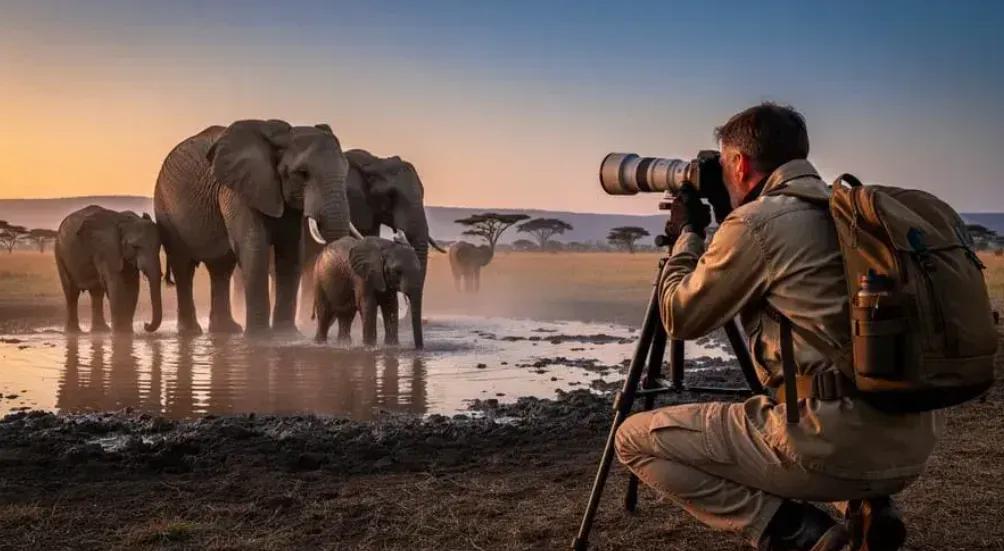
Protecting natural spaces has always depended on people caring enough to act , but caring usually begins with a story. Outdoor photographers capture the beauty, fragility, and character of wild environments, while designers shape those visuals into messages that inform and inspire. When these two disciplines work together, conservation becomes more than a cause; it becomes an experience people can feel, understand, and connect with.
This article explores how photographers and designers can collaborate to amplify conservation efforts, create more engaging outdoor narratives, and inspire communities to take action.
Photography as the Emotional Entry Point
A single outdoor photograph can communicate more than paragraphs of text ever could. It can show the untouched glow of a sunrise over a ridge, the tension in a storm-soaked coastline, or the quiet dignity of an endangered species. But the most impactful conservation photography doesn’t stop at beauty , it blends awe with awareness.
Photographers working on environmental stories can strengthen their narrative by capturing:
Contrast , pristine landscapes alongside visible threats
Human connection , local communities, rangers, scientists, volunteers
Small details , patterns, textures, traces of change that viewers might miss
Editing also matters. Cohesive color grading, thoughtful sequencing, and visual consistency help shape the mood of the story. A series of images that work together feels more intentional and more emotionally resonant.
Where Design Complements the Story
Photography captures attention. Design guides understanding.
Conservation topics often involve data , migration routes, erosion patterns, species decline, climate impact. Designers turn that complexity into visuals people can digest quickly: infographics, simple maps, annotated photos, timelines, or even subtle UI elements on a campaign site.
When crafted well, design can:
Highlight the most important facts
Help viewers see patterns or urgency
Connect scientific information to real landscapes
Reinforce the tone of the message through color, layout, and typography
These elements don’t distract from the photos; they support them. They give the images context , the “why it matters” behind the beauty on screen.
If teams don’t have an internal design resource, partnering with external creative partners like Superside can help establish a cohesive visual style, clear communication materials, or illustrated elements that bring educational content to life without overwhelming the audience.
Going Beyond Still Images: Video and Motion for Deeper Impact
Some stories need movement. The sound of flowing water, the pacing of a hike, the shifting light in a forest canopy , these elements can’t be fully captured in a single frame. Video adds dimension, emotion, and immediacy to conservation storytelling.
Short documentaries, interview-driven pieces, animated explainers, and motion graphics can:
Show the real people behind conservation efforts
Visualize environmental changes over time
Bring remote ecosystems closer to the viewer
Communicate scientific concepts in a more accessible way
High-quality production can make a huge difference when organizations seek donations, volunteers, or policy support. Many conservation groups collaborate with specialized production partners like Superside for editing, motion design, or campaign videos. External creative partners can support this process when resources are limited, offering video and motion expertise that elevates field-captured footage into a polished, compelling narrative.
Creative Formats That Make Conservation Messages Stick
Not every story has to be traditional. Some of the most memorable conservation content comes from reimagining how information is delivered.
Interactive formats like:
Photo essays with scrolling animation
Mini-games or quizzes about local wildlife
Interactive maps for trails or watersheds
Story-driven educational kits for communities or schools
These approaches break through information fatigue. They offer people a hands-on way to learn, making the experience immersive rather than passive.
Designers, educators, and photographers can experiment together to find formats that match the tone of the campaign. If the goal is awareness, education, or advocacy, creative storytelling often performs better than plain information.
Collaboration Is the Foundation of Strong Conservation Storytelling
Behind every powerful environmental campaign is a diverse group of people who share the same mission. Photographers bring emotional truth. Designers bring clarity. Scientists bring accuracy. Community members bring lived experience.
Bringing these perspectives together requires:
Open communication
Clear objectives
Shared mood boards or visual references
Agreement on tone, message, and audience
To understand which storytelling pieces resonate most, teams can rely on creative-performance insights from tools like Superads. While originally built for marketing, its ability to measure what visual or narrative elements attract more engagement can help conservation organizations tailor future content for maximum impact.
Conclusion
Outdoor storytelling is one of the strongest tools we have for conservation. A breathtaking image sparks curiosity. Thoughtful design deepens understanding. And together, they inspire people to care about places they may never have visited but now feel connected to.