

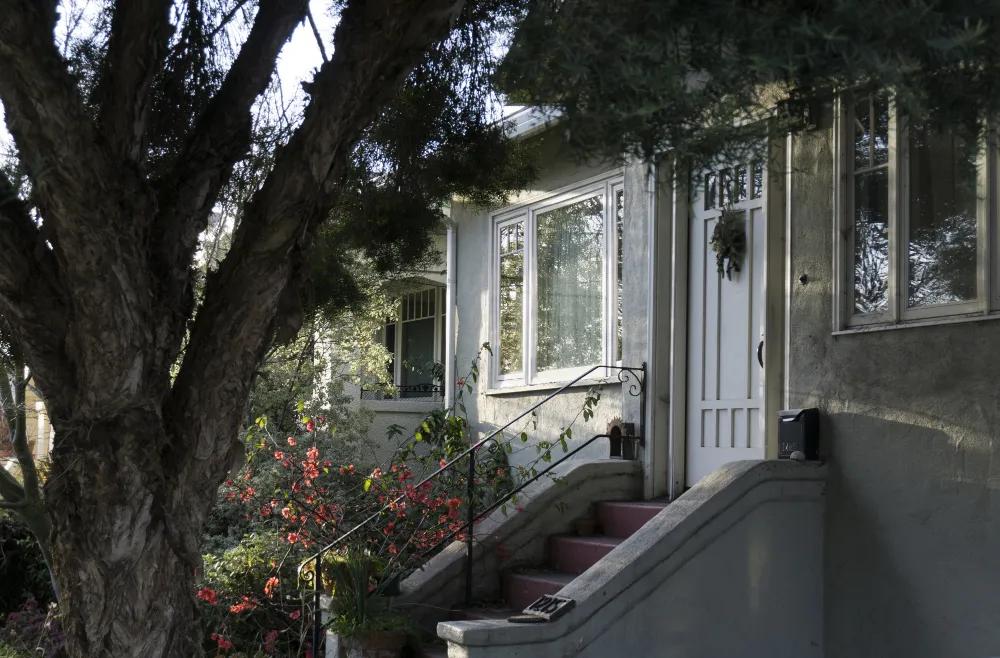
Moving is a big deal at any age. When the move involves your parents, or even yourself, the stakes feel higher and the details matter more. Cottage-style living has become one of the most popular options for older adults who want to trade home maintenance for a simpler, more connected lifestyle. These standalone homes, often called senior cottages, sit within a community that handles the upkeep while residents enjoy private living spaces, garages, and yards without the burden of owning them.
But before anyone signs on the dotted line, it pays to slow down and ask questions. A lease or residency agreement is a legal document, and the differences between communities can be surprising. What looks similar on a brochure can feel very different once you are living there.
Whether you are helping a parent through the process or exploring options for your own future, here are ten questions worth asking before committing.
1. What exactly is included in the monthly fee?
This is the most important question, and it deserves a written answer, not a verbal one. Some communities advertise a base rate that covers little more than the roof over your head. Others bundle in utilities, water, sewer, trash removal, lawn care, snow removal, and even property taxes and insurance.
Ask for a complete list of what the monthly payment covers and, just as importantly, what it does not. Then ask how each item is billed. A community that includes trash and water in the fee is very different from one that passes those costs along as separate line items. Over a year, those small charges add up.
2. How much can fees increase each year, and how much notice will we get?
No one enjoys surprises in their budget, especially people living on a fixed income. Ask how often rates have gone up in the past five years and by what percentage. A reputable community will be transparent about its history of increases.
Also ask about the notice period. A 30-day heads-up on a rent increase is standard in many places, but some communities offer 60 or 90 days, which gives families time to adjust their finances or explore alternatives.
3. What happens if care needs change down the road?
This question separates cottage communities from ordinary rentals. Many cottage communities are part of a larger campus that offers assisted living or skilled nursing. That continuity matters. If a resident eventually needs more support, the transition is far easier when care is available on the same grounds or through the same organization.
Ask whether residents are guaranteed access to higher levels of care if they ever need it, and whether moving between levels involves a new agreement, new fees, or a waiting list. Get the specifics in writing.
4. What maintenance is covered, and how fast is the response?
One of the biggest draws of cottage living is freedom from chores like gutter cleaning, furnace repairs, and shoveling the driveway after a snowstorm. But "maintenance-free" can mean different things in different places.
Ask what happens when a faucet leaks at 8 p.m. on a Sunday. Is there an emergency maintenance line? What is the typical response time for non-urgent repairs? Who is responsible for appliances, and if a cottage includes a washer and dryer, who repairs or replaces them when they fail?
5. What is the true cost of the entrance or community fee?
Some communities charge a one-time entrance fee on top of the monthly rate. Others do not. If there is an upfront fee, ask exactly what it covers and whether any portion of it is refundable if the resident moves out or passes away within a certain period.
Families sometimes focus so hard on the monthly number that they forget to budget for the move-in costs. Ask about the deposit, the first and last month's payments, and any community or amenity fees charged at signing.
6. Can we personalize the cottage before moving in?
A home does not feel like a home until it reflects the person living in it. Some communities allow new residents to choose paint colors, flooring, and other finishes before move-in, sometimes at no extra charge. Others have strict rules about modifications.
If personalization matters to your family, ask what choices are available, who pays for them, and whether the work will be finished before the move-in date. Moving into a space that already feels like yours is a very different experience from moving into a unit that looks like everyone else's.
7. What is the pet policy, really?
Many communities describe themselves as pet-friendly, but the details vary widely. Ask about breed or weight restrictions, monthly pet fees, vaccination requirements, and whether there are designated outdoor areas for walking dogs.
For a lot of older adults, a pet is family. Losing a companion animal because of a policy technicality is heartbreaking and entirely avoidable if you ask the right questions up front.
8. What dining options exist, and are meal plans flexible?
Some cottage residents love to cook and want nothing more than their own full kitchen. Others appreciate having a meal plan or an on-campus dining room for the days when cooking feels like a chore.
Ask whether meal plans are optional, how they are priced, whether unused meals roll over, and whether guests can join for dinner. Also ask about the food itself. Reading a menu is one thing. Eating a meal in the dining room during a visit tells you far more.
9. What does daily life actually look like?
Amenity lists are easy to print. Atmosphere is harder to fake. Ask about the activity calendar, transportation services, fitness offerings, and social events. Then go see for yourself.
The best time to tour is when residents are around. Are people talking to each other? Do staff members greet residents by name? Is the calendar full of things residents actually asked for, or is it a generic list of activities that no one attends? A community can have beautiful buildings and still feel lonely. The reverse is also true. Modest buildings with a strong social fabric often deliver far more happiness than fancy ones with empty hallways.
10. What are the terms for ending the agreement?
Nobody wants to plan for the end before the beginning, but this question protects everyone. Ask what notice is required if a resident needs to leave, whether a lease can be broken for health reasons, and what happens to deposits and prepaid fees.
Also ask about the fine print regarding estate matters. If a resident passes away mid-lease, does the family owe anything beyond the notice period? These conversations are uncomfortable, but having them before signing prevents far more discomfort later.
A Final Thought
The right cottage community should feel like a relief, not a gamble. When a community answers these ten questions openly, in writing, and without pressure, that tells you something important about how it treats the people who live there. When answers are vague or rushed, that tells you something too.
Bring a notebook on every tour. Take the agreement home and read it away from the sales office. Ask a trusted family member or advisor to review it as well. A little diligence now buys years of peace of mind later, and the best communities will respect you for asking.