

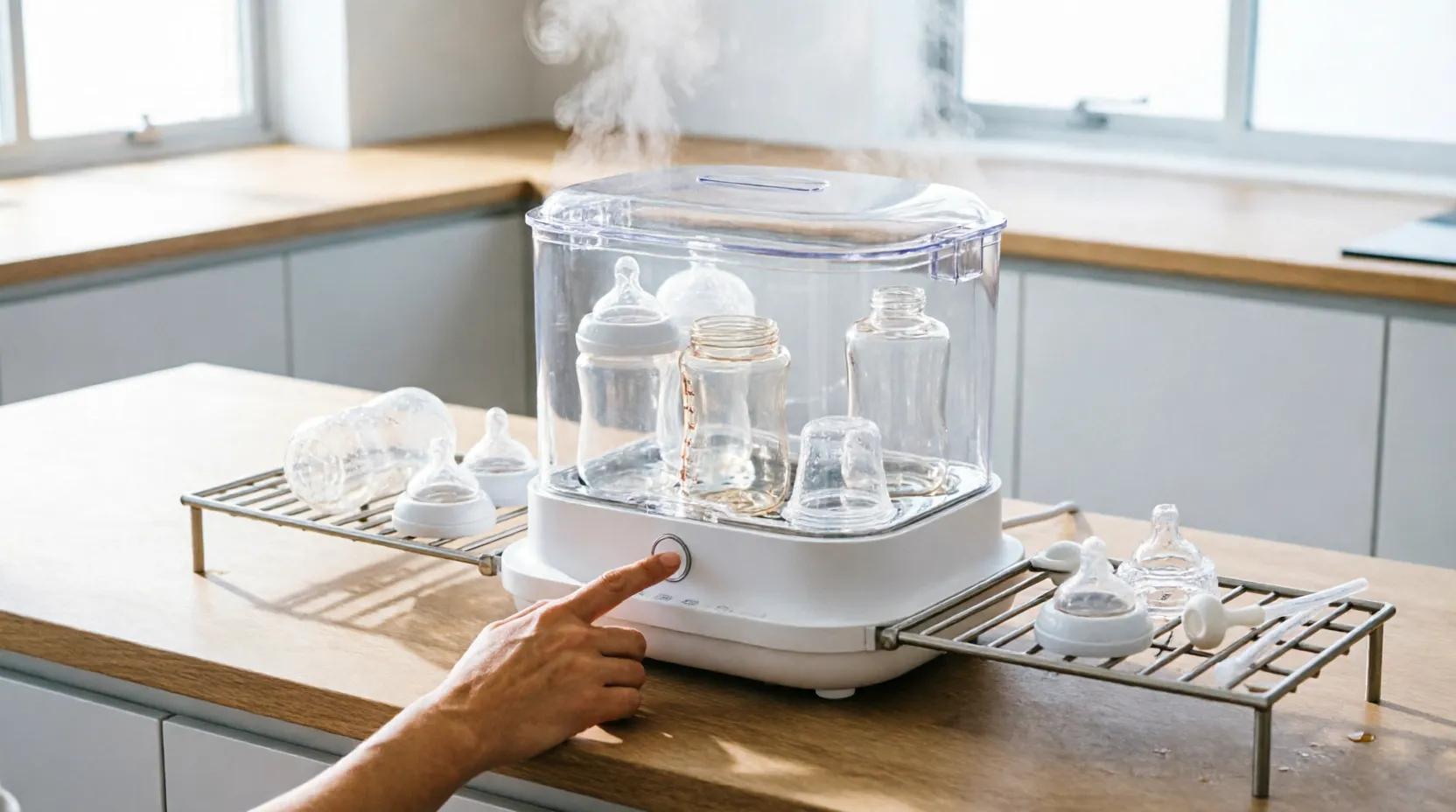
Every parent knows the drill: multiple feedings a day mean multiple bottles to clean, each with narrow necks, tiny nipples, and hard-to-reach crevices where milk residue loves to hide. Hand-washing every component several times daily is not only exhausting but also raises concerns about whether each bottle is truly free from harmful bacteria. For infants with developing immune systems, proper hygiene isn't optional—it's critical to preventing infections and keeping babies healthy. This is where infant bottle washers step in as a modern, reliable solution. Designed to automate baby bottle cleaning and deliver automatic sterilization in one streamlined process, a quality bottle washer removes the guesswork and physical effort from what used to be a tedious chore. In this article, we'll explore how these devices work, what features matter most, and how parents can use them to achieve efficient cleaning and sterilization every single time.
What is an Infant Bottle Washer and Why It's Essential
An infant bottle washer is a dedicated appliance designed to automate baby bottle cleaning and sterilization in a single, enclosed unit. Unlike manual washing—where you scrub each bottle, nipple, and collar by hand with a brush and hope you've reached every crevice—a bottle washer uses precisely controlled water jets, high temperatures, and steam to clean components thoroughly without human error. The device handles the entire process from washing to drying, delivering consistent results every cycle.
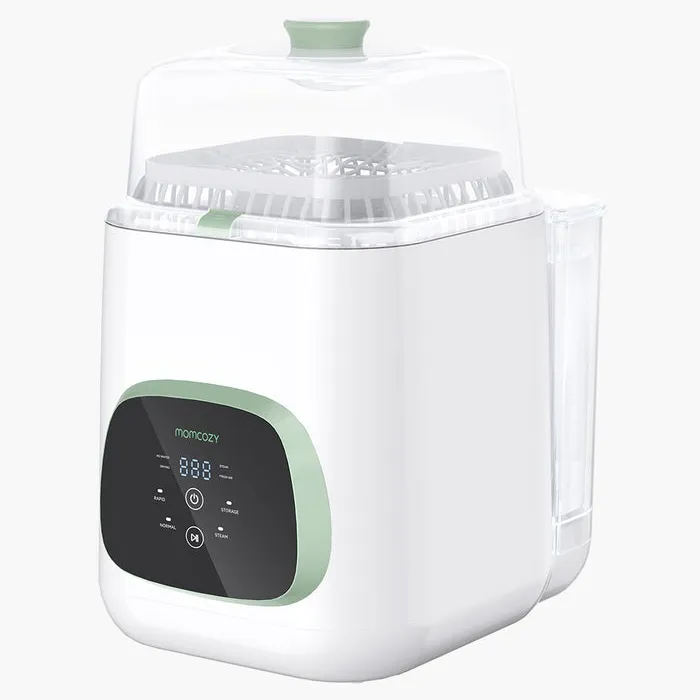
The key benefits are straightforward. First, time savings: parents reclaim minutes (or hours) each day that would otherwise be spent at the sink. Second, consistency: the machine applies the same water pressure, temperature, and duration regardless of how tired or rushed you are. Third, superior hygiene: automated cycles reach areas that brushes often miss, eliminating bacteria that thrive in milk residue. For families managing multiple bottles across several daily feedings, a bottle washer transforms baby bottle cleaning from a repetitive burden into a hands-off task. Parents with newborns, premature infants, or babies with compromised immunity especially benefit from this level of reliable, efficient cleaning.
Key Features to Look for in a Quality Bottle Washer
Not all bottle washers deliver the same results, so understanding which features separate a reliable machine from a mediocre one helps parents make informed decisions. Capacity matters—look for units that accommodate at least six bottles plus accessories like nipples, pacifiers, and breast pump parts in a single load. Temperature control is equally important, as water heated above 80°C effectively breaks down milk fats and proteins that cold water leaves behind. Safety features deserve close attention: BPA-free interior materials, automatic shut-off when cycles complete, and child-lock mechanisms protect both your baby and the appliance itself.
Cleaning Modes and Efficiency
A well-designed bottle washer offers multiple cleaning modes tailored to different situations. A quick wash cycle handles lightly soiled bottles in under twenty minutes—ideal between feedings when time is tight. A heavy-duty or deep-clean mode uses extended high-pressure water jets and elevated temperatures to tackle dried-on formula or breast milk residue. Some models include a dedicated accessories cycle with gentler pressure suited for silicone nipples and small parts. Having these options means parents always match the cleaning intensity to the actual need, conserving water and energy while still achieving thorough baby bottle cleaning.
Sterilization Capabilities and Safety
Automatic sterilization is the feature that elevates a bottle washer beyond a simple dishwasher. Steam-based sterilization exposes all surfaces to temperatures exceeding 100°C, eliminating up to 99.9% of common bacteria including E. coli and Staphylococcus. Some advanced models incorporate UV-C light as an additional or alternative sterilization method, which damages microbial DNA without residual moisture. Whichever technology a unit uses, the goal is the same: parents receive bottles that are not just visually clean but microbiologically safe, with no chemical residues—making these sterilization methods far more dependable than boiling water or chemical soaking solutions.
Step-by-Step Guide to Using an Infant Bottle Washer for Optimal Results
Getting the most from your bottle washer requires more than pressing a button. Following a consistent routine ensures every cycle delivers bottles that are genuinely clean and sterilized, ready for your baby's next feeding.
Preparing Bottles and Accessories
Before loading the machine, disassemble every bottle completely—separate the nipple, collar, disc, and bottle body. Give each piece a brief rinse under warm running water to flush away fresh milk residue; this prevents dried-on buildup that forces the washer to work harder. Check nipple holes for clogs by squeezing water through them. Place small parts like valve membranes into the designated accessory basket so they don't fall through racks during the wash cycle. This quick two-minute preparation step dramatically improves cleaning outcomes and protects delicate silicone components from unnecessary wear.
Running Cleaning and Sterilization Cycles
Load bottles upside down on the rack pegs so water jets reach interior surfaces directly. Position nipples and collars in their dedicated slots facing downward. Select the appropriate cycle based on soil level—quick wash for bottles rinsed immediately after feeding, or deep-clean mode for bottles that sat out for an hour or more. If your unit offers automatic sterilization as a combined or sequential step, activate it so steam treatment begins immediately after washing while components are still hot. Avoid overloading the chamber; adequate spacing between items allows water and steam to circulate freely, which is essential for thorough baby bottle cleaning and effective sterilization.
Post-Use Maintenance and Descaling
After every few cycles, wipe down the interior chamber and door seal with a soft cloth to remove moisture and prevent mineral deposits. Depending on your water hardness, run a descaling cycle every two to four weeks using descaling tablets specifically designed for baby appliance use. Simply place the tablet in an empty chamber, select the longest wash cycle, and let the solution dissolve calcium buildup from spray nozzles and heating elements. This routine maintenance preserves water pressure, heating efficiency, and overall machine performance—ensuring your bottle washer continues delivering safe and effective results month after month.
Comparing Manual Cleaning vs. Automatic Bottle Washers
Hand-washing a single bottle—disassembling, scrubbing with a brush, rinsing, and then boiling or using a separate sterilizer—takes roughly five to seven minutes per bottle. Multiply that across six to eight bottles daily, and parents spend close to an hour each day on baby bottle cleaning alone. An automatic bottle washer handles the same load in one cycle lasting twenty to forty minutes, all without requiring supervision. The difference in effort is equally stark: manual scrubbing demands consistent technique to reach every interior curve, and fatigue or distraction inevitably leads to missed spots. A bottle washer applies uniform water pressure and temperature across all items every time, removing the variability that human hands introduce.
Effectiveness tells the clearest story. Studies on manual washing show that brushes often fail to eliminate biofilm from bottle interiors, particularly at the base where formula pools. Automatic sterilization via steam or UV-C after the wash cycle achieves microbial elimination rates that boiling water struggles to match consistently—especially when parents misjudge timing or water volume. For households managing multiple daily feedings, the bottle washer doesn't just save time; it delivers measurably safer results with a fraction of the physical effort.
Tips for Maintaining Your Bottle Washer and Ensuring Longevity
A bottle washer that receives regular care delivers reliable performance for years rather than months. The most important maintenance task is descaling: hard water deposits gradually restrict spray nozzles and coat heating elements, reducing both water pressure and temperature accuracy. Use descaling tablets formulated for baby appliances every two to four weeks—more frequently in areas with hard water. Drop the tablet into an empty chamber, run a full hot cycle, and the citric acid dissolves mineral buildup without leaving harmful residues.
Beyond descaling, inspect and rinse the filter screen at the base of the chamber weekly. Trapped food particles or silicone fragments here restrict water flow and force the pump to work harder, shortening its lifespan. Wipe the door gasket dry after each use to prevent mold from establishing in the rubber folds. Store the unit with the door slightly ajar when not in use so air circulates and moisture doesn't stagnate inside. If your model has removable spray arms, detach them monthly and flush the jet holes under running water with a toothpick to clear any obstruction. These simple habits take just minutes but protect your investment and ensure every cycle continues to deliver the thorough baby bottle cleaning and automatic sterilization your infant depends on.
Addressing Common Concerns and Troubleshooting
Even the most reliable bottle washer occasionally presents issues that concern parents. White residue on bottles after a cycle is one of the most common complaints, and it's almost always caused by mineral deposits from hard water rather than soap buildup. Running a descaling cycle typically resolves this immediately, and switching to filtered water for the machine can prevent recurrence. If bottles still appear cloudy, check that you're not overloading the rack—crowded items block water circulation and prevent proper rinsing.
Unusual noise during operation often signals a small item that has dislodged from the accessory basket and fallen near the spray arm or pump intake. Stop the cycle, remove the obstruction, and secure small parts more carefully before restarting. Cycle errors or incomplete programs usually trace back to insufficient water supply, a clogged filter screen, or a door that hasn't sealed properly. Verify the water reservoir is filled to the indicated line, clean the filter, and ensure nothing is caught in the door gasket. If your unit's sterilization phase doesn't activate, confirm that the steam function is selected and that the heating element isn't coated with scale—regular descaling with appropriate descaling tablets prevents this from becoming an issue. When bottles emerge wet after a drying cycle, leaving the door closed an extra few minutes often allows residual heat to complete evaporation. These straightforward fixes address the vast majority of problems parents encounter, keeping your automatic sterilization and cleaning routine running smoothly without the need for service calls.
Why Every Parent Deserves Effortless Bottle Hygiene
Infant bottle washers represent a meaningful upgrade in how parents approach daily baby bottle cleaning and sterilization. By combining precise water jets, controlled temperatures, and automatic sterilization through steam or UV-C technology, these appliances deliver consistently hygienic results that manual methods simply cannot match. The key features worth prioritizing—multiple cleaning modes, adequate capacity, and robust safety mechanisms—ensure that every cycle addresses both lightly soiled and heavily residued bottles with equal effectiveness. Following proper usage steps, from disassembling and pre-rinsing components to selecting the right cycle and maintaining adequate spacing, maximizes each wash's potential. Regular maintenance with descaling tablets and simple habits like wiping gaskets and clearing filters keeps the machine performing at its best for years. Brands like Momcozy continue to develop thoughtful baby care solutions that address these everyday parenting challenges, making it easier for families to maintain the highest hygiene standards. For parents navigating the demanding rhythm of infant feeding schedules, a quality bottle washer eliminates daily drudgery while providing peace of mind that every bottle meeting their baby's lips is genuinely safe. Investing in the right baby care tools isn't an indulgence—it's a practical decision that protects your child's health while giving you back precious time during those fleeting early months.