

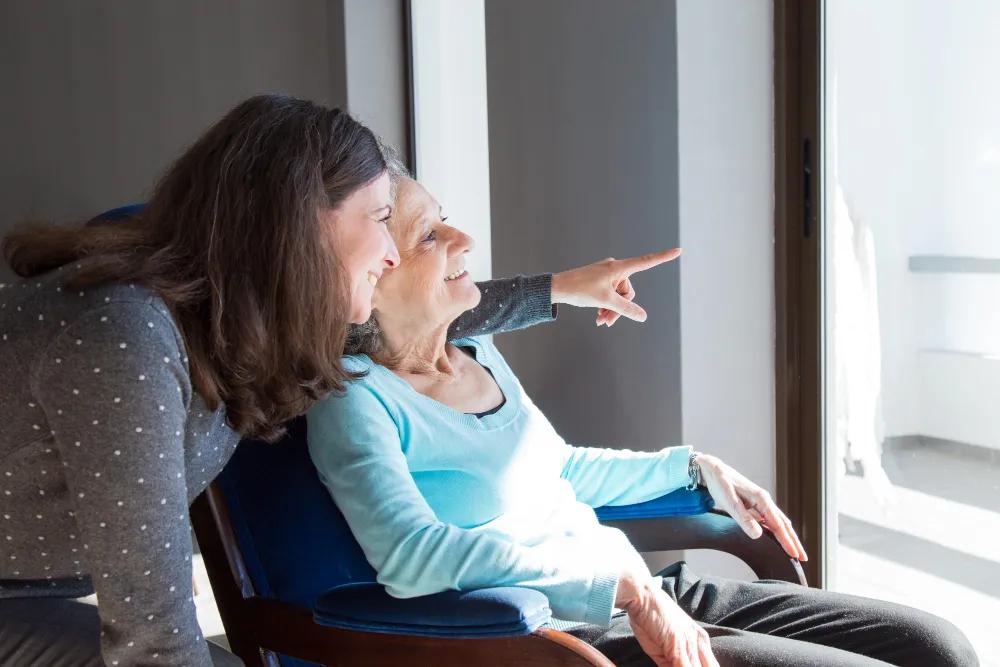
Image source: freepik
It’s estimated that in the USA, as many as 10.9 million adults over the age of 65 live with an adult relative from a younger generation. This is great, as it ensures that the older person has companionship but it can present some problems in the home, which, if not managed, can limit the mobility of the older person.
So, if you want to help an older relative to be active and remain independent in your home, here are five ways you can support them.
1. Accessibility
Many accidents or falls that involve older adults happen at home and are most common on the stairs or in the bathroom. So, you’ll need to make your home more accessible, and even small modifications can reduce the risk of injury. For instance, you could install grab bars near the toilet and in the shower. It can also be worth looking into residential elevators, which will reduce the need to use the stairs and will also increase the value of your home at the same time.
2. Mobility Tools
Many older people despise the idea of having to start using mobility aids, especially in their home, but these can help provide them with freedom and confidence to move about independently. You should make sure that the tool, like a walking stick or a Zimmer frame, is well-suited to the person you live with and will help them both in and out of the home. If you aren't sure which one to get, it’s well worth contacting their medical doctor or physiotherapist. They will help you to find the right fit and to assess your relative for signs of instability or discomfort when using the tool.
3. Help with Daily Tasks
Getting older can be extremely hard, especially for those who were once hard workers or raised a family. So, if you notice that your elderly relative is struggling with a household task, offer to help them do it. This can also help you and them start up communications about any health issues that they may be having, which could be contributing to this difficulty. In many cases, such setbacks are usually temporary but helping them with daily tasks will ensure that your older relative feels supported and will open up communication between you both.
4. Encourage Independence
It’s totally fine to help an elderly relative with their daily tasks, but where you can, try to avoid taking over completely. Losing independence is one of the greatest fears for many older people ,and in many instances, it can speed up the progression of conditions such as dementia and can harbor mental health issues such as depression.
With accessibility and mobility tools, your home will be easier for them to navigate, but you should still encourage them to take part in activities both in and outside the home and when you can.
5. Talk!
According to the Healthy Aging Poll, as many as one in three older people report feeling lonely. So, even if you’re sharing a home with an elderly loved one, this doesn’t mean that you should be leaving them to their own devices for hours at a time.
Regular interaction can help them feel connected and reduce feelings of isolation and has even been shown to reduce the rate of neurocognitive decline due to conditions like Alzheimer’s. Also, it can help you to keep track of how they are as well as notice any signs that could point to an underlying health issue, such as slurred words or problems with communication.