

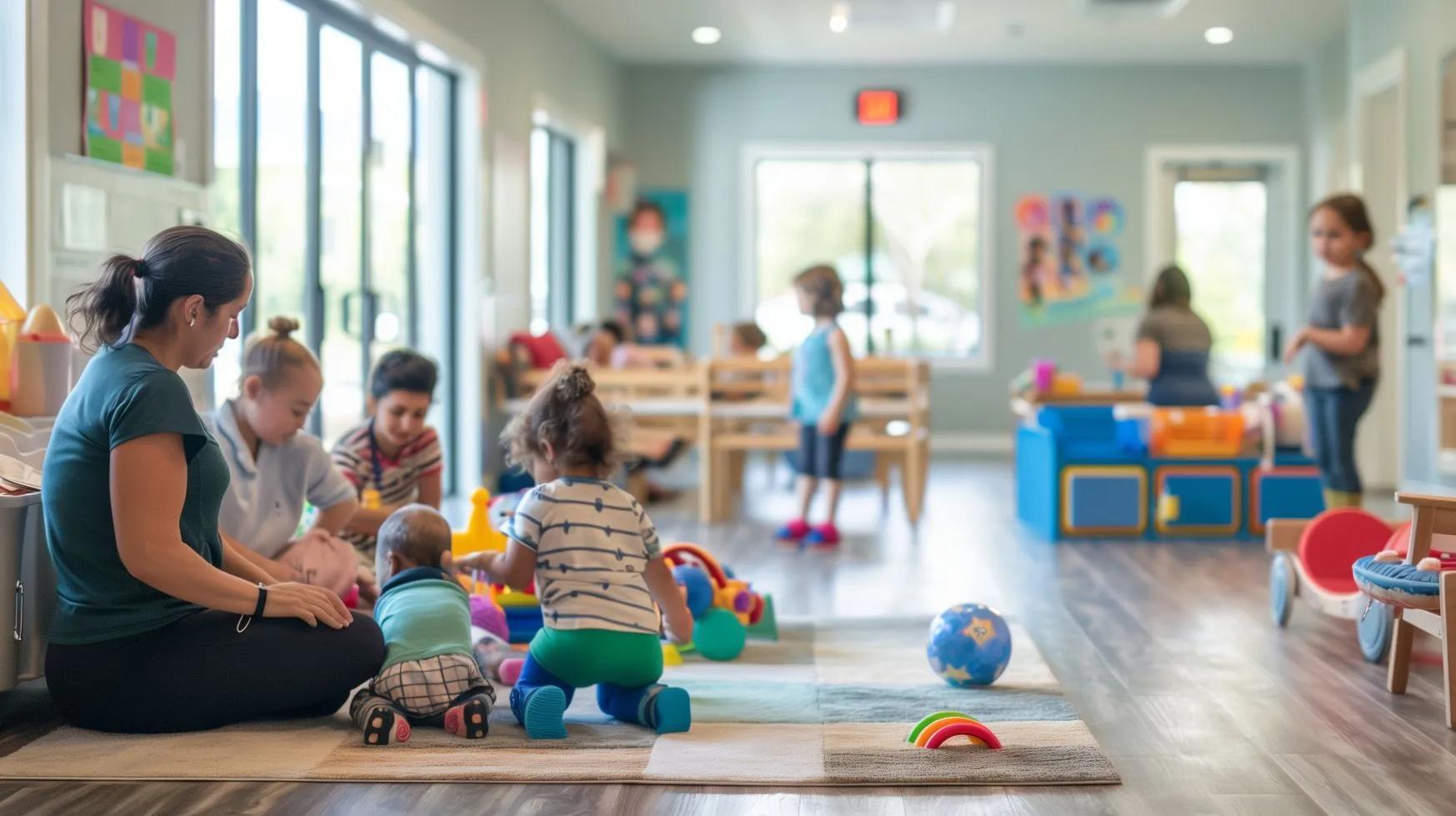
For many parents, a child care facility is just a safe place where they leave their children before going to work. Not many realize that every activity aims to provide valuable lessons to younger children. It follows that a well-designed childcare program provides a powerful environment that nurtures your child’s emotional and social development.
Let’s explore how these structured activities shape your child’s healthy growth.
Building Social Skills Through Daily Interactions
At home, your toddler may only engage with siblings or family friends. But they need to expand their social circle to develop crucial life skills. Sending them to day care centers allows your child to interact with other kids in a consistent and organized setting. Being surrounded by children of different personalities and backgrounds, they’ll learn that other people have feelings, needs, and perspectives that are different from their own.
Daily exposure to different people teaches your child how group dynamics work. They’ll learn how to share their toys and wait for their turn. Eventually, they’ll be able to express themselves in ways that others can easily understand.
This reality is universal. But choosing licensed child care providers is crucial to make the most out of child care programs. Doing so ensures your toddler is in a facility that meets strict standards for safety and health, not just learning. This also means that interactions are supervised by skilled and trained child development support staff.
Logistics should also be a priority to guarantee smooth drop-offs and pickups. If you’re in Crawley, Perth, for instance, consider childcare UWA (University of Western Australia) or similar centers near you.
Emotional Regulation and Resilience in a Supportive Environment
Child care providers offer a unique space for children to experience big feelings in a safe and guided setting. At home, they might be the center of the universe. When you aren’t around to swoop in and fix a problem, your child is encouraged to adjust and manage on their own.
Routines become a source of emotional stability. When your child knows what comes next, they’re less likely to become anxious. Even so, childcare helps them get past separation anxiety. Saying goodbye and seeing you return every afternoon helps build a secure attachment, where a child learns that transitions are safe.
Daycare teachers are trained to act as emotional coaches. Rather than stopping a tantrum, they help the child identify and process their emotions. They likewise validate and distract or redirect a child’s focus for better self-regulation. Put simply, they prioritize safety and connection rather than punishment. This approach is particularly helpful for children with special needs.
Such techniques, alongside consistent routines, help reduce triggers and calm the nervous system. In the long-term, children will understand that it’s not “bad” to express anger or sadness, and it’s possible to calm down and move on. If you need more mentoring or coaching on this aspect, ask the staff if they can refer you to family specialists.
Developing Empathy and Cooperation
One of the most beautiful transformations you’ll see is your child’s growing sense of belonging. Learning curriculums encourage your toddler to wear many hats. They’re not just a student but a friend and teammate as well. Being part of a community means they have a role to play, which could mean helping solve problems or participating in a group song.
Realizing that their actions directly affect the team helps them develop empathy and encourages them to care for their peers. They might offer encouragement when a seatmate struggles to solve a puzzle game.
Note that children mirror their caregivers’ emotions and behaviors, too. So be a good model to your children and guide them. Reinforce their childcare learnings with intentional activities at home. You may not think much of it, but doing things together is a powerful learning tool for young minds.
Encouraging Independence and Confidence
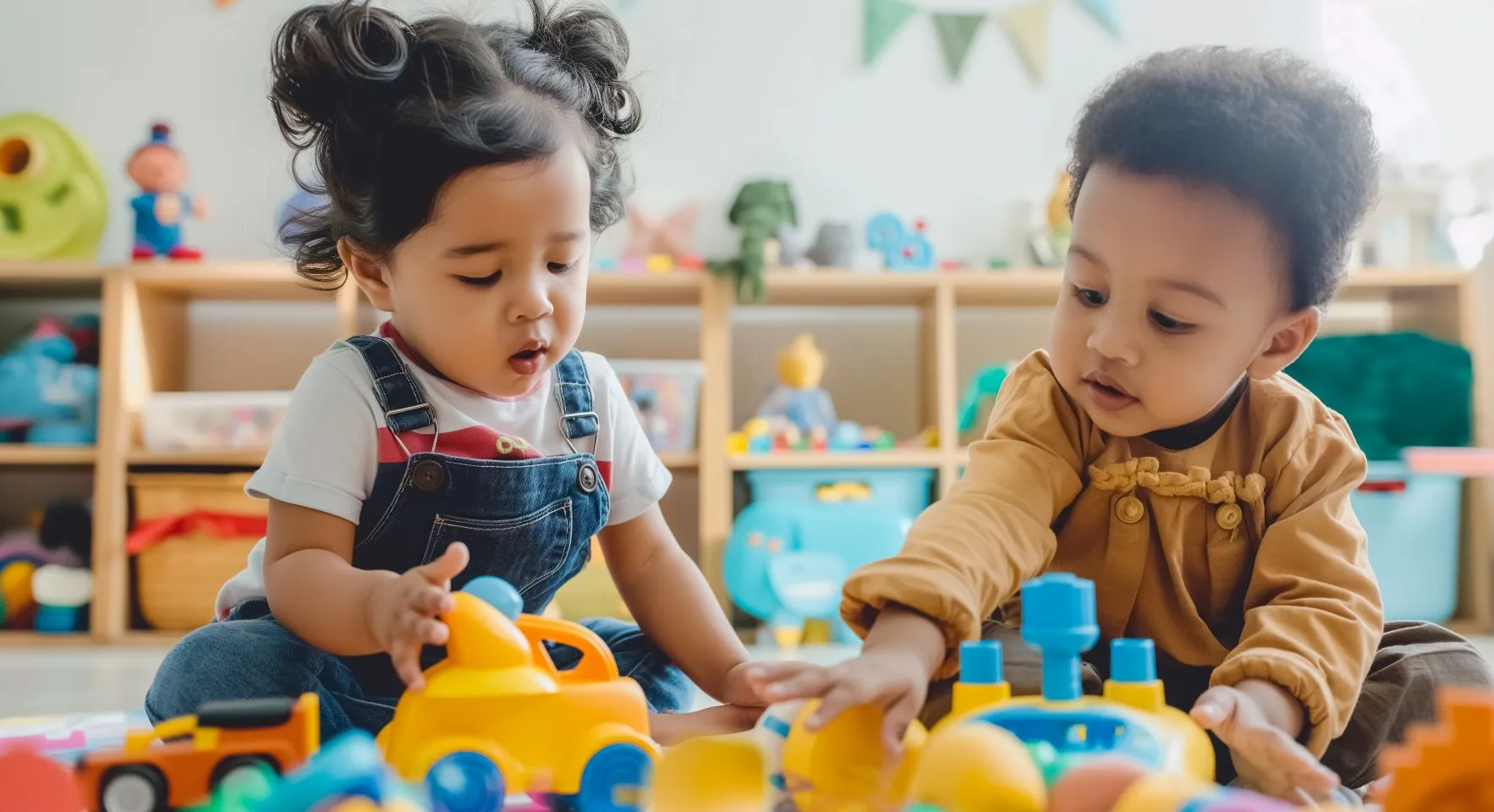
Another good thing about childcare programs is that they give children the freedom to explore and make choices while providing adult guidance. Small choices within a routine, like picking which book to read, establish decision-making skills at an early age. It teaches them to take responsibility as they connect the link between their choices and the outcomes.
The independence and accountability they gain build self-esteem. Your child begins to trust their own judgment, knowing that mistakes are part of learning, and that support is always available when needed. This powerful lesson in autonomy prepares your child well as they transition to formal education.
Accessing Child Care in Your Area
Official government sites and your local community should be your first stops in finding the best option. After making a short list, visit the facility and interact with the staff for your peace of mind.
Know that child care costs can put a heavy dent in your budget. In the United States, the average cumulative spending from when a baby is born until they reach 18 months is USD$ 300,000.
Research assistance programs if you need help paying for child care. You might qualify for the Head Start program, which provides to families earning below the state median income with comprehensive early childhood services for free.
Australia likewise offers a strong child care financial assistance program called the Child Care Subsidy, where the government pays a percentage of childcare costs. It covers transitional child care for parents who are studying or starting work.
Closing Thoughts
High-quality child care benefits your child in so many ways. It acts as a building block for their character, forming their early perceptions and developing important skills that they can use in the future. Choosing a licensed child care provider ensures a nurturing and safe environment for your children to build meaningful connections while mastering their emotions. Ultimately, they’re your partners in raising a kind and capable human being.