

Image source: freepik
Those who place their loved ones in a nursing home have more than a reasonable expectation of proper care. Such care extends beyond keeping an eye on the person and making sure they are served all their meals. The nursing home’s interior and exterior should be free of hazards to prevent an older adult from falling. There should be proper supervision to mitigate potential slip-and-fall hazards. An older adult may sustain more severe injuries from even a minor fall compared to a younger, healthier individual. Those injuries could even become life-threatening.
Common Reasons for Falls in Nursing Homes
Several common reasons may lead to the high number of falls in a nursing home facility. Unfortunately, physical limitations and vulnerabilities factor into the problem. An older person may have weak muscles, balance issues, and other impairments that could lead to tripping or falling. Again, staff should be alert to these problems to monitor those in their care properly. Chronic physical ailments and cognitive issues make moving difficult, which is another reason why the staff must pay close attention to the residents.
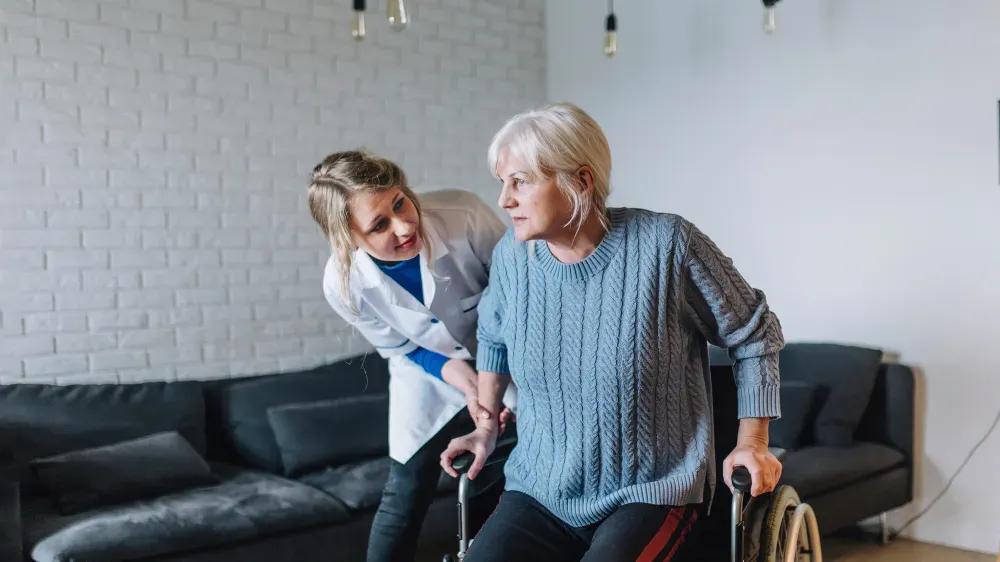
Also, there are potentially avoidable hazards that could cause someone to fall. For example, during cold weather, ice may form on the ground outside. Inside, wet floors might also present slippery conditions. Cluttered walkways and excessively high bed heights can cause falls. Many older persons must get around in wheelchairs or walkers, and if they are damaged or otherwise inadequately serviced, they may lead to a fall.
Medications might also contribute to the risks. Although a particular prescription may be intended to safeguard someone's health, it could cause drowsiness or other side effects that increase the risk of falling.
Again, proper supervision of the nursing home's residents may reduce the dangers. Yet, the nursing home could be understaffed, exacerbating possible dangers. If any negligence leads to harm, the residents' relatives might seek out the counsel of a nursing home abuse lawyer.
The Serious Nature of Preventable Nursing Home Fall Injuries
The physical harm inflicted by a fall could be far more than minor. Among the most common injuries suffered in a fall would be a hip fracture, which may require major surgery to repair. The most worrisome would be the risk of complications arising from such a serious procedure. The extended rehab that follows the surgery often adds to the victim's suffering.
A head injury might be the most frightening injury, because it might result in death. Persons who survived traumatic brain injuries may experience further diminished cognitive abilities. Even if the problem from the head trauma is not immediately apparent, the long-term effects might include cognitive decline. Spinal injuries are also a possibility. Damage to the spinal cord could result in life-altering paralysis.
Even if the injury is relatively minor, that does not mean the victim won't experience pain and suffering. Sprains and strains can cause many problems, even if they are not outright fractures. The recovery time may be longer than expected, and the elderly person may experience reduced ability to perform daily activities.
If you have a loved one in a nursing home, it’s important for you to advocate on their behalf. Visiting often, looking for signs of abuse and neglect, and accessing resources like My Nursing Home Abuse Guide can help keep your family member safe.