

How Families Are Keeping Aging Parents at Home Instead of Moving Them to a Facility
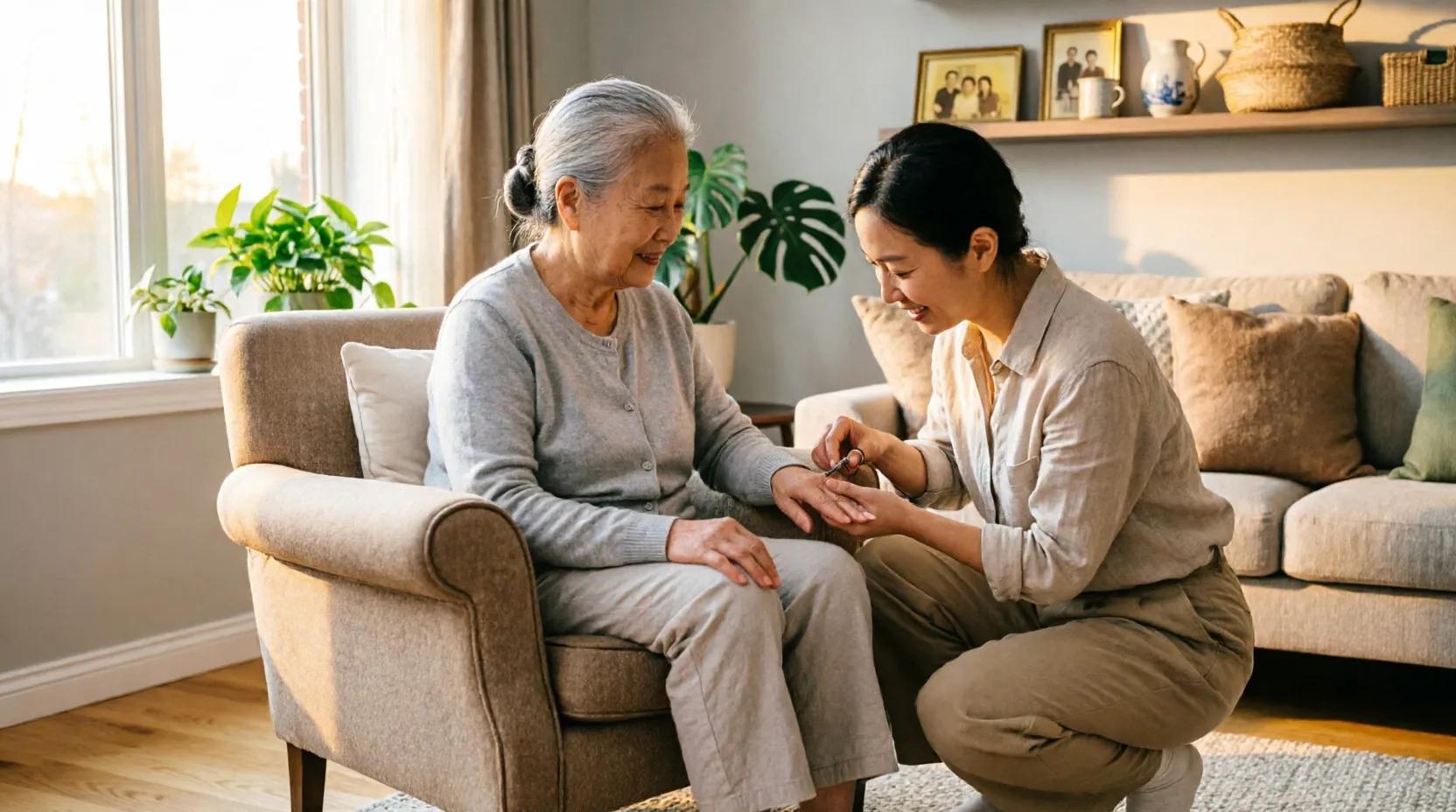
Ask almost any older adult where they want to spend their later years, and the answer is rarely a facility. It is the home they already have. The kitchen where they raised their kids. The chair by the window. The neighborhood they know by heart. And increasingly, families are finding that honoring that wish is not only possible but practical. With the right support in place, more aging parents are staying exactly where they want to be, and thriving there. For many families across Connecticut and Massachusetts, making that happen has become a clear, achievable plan rather than a far-off hope.
This shift has a name. It is called aging in place, and it is quietly becoming one of the most positive stories in how we care for our elders.
What "Aging in Place" Really Means
Aging in place is the simple but powerful idea that a person can grow older in their own home, safely and comfortably, rather than relocating to assisted living or a nursing facility. It is not about refusing help. It is about bringing the right help to the home so that independence can continue.
The desire behind it is nearly universal. According to AARP, close to 90 percent of adults over 65 want to remain in their current homes as they age. What has changed in recent years is not the wish itself but how realistic it has become to fulfill it. Advances in home care, smarter home safety solutions, and flexible professional caregiving have turned aging in place from a hopeful intention into a workable plan for ordinary families.
Why Families Are Choosing Home Over a Facility
The momentum toward aging in place is not just sentimental. There are concrete reasons families are choosing it.
Familiarity Protects Wellbeing
For older adults, especially those experiencing memory changes, a familiar environment is grounding. The routines, the layout, the sounds of a known home all reduce confusion and anxiety in a way no new facility can replicate. Staying put often means staying steadier, emotionally and cognitively.
Independence and Dignity Stay Intact
A move into a facility can feel, to many seniors, like a loss of control over their own lives. Remaining at home lets them keep their routines, their privacy, and their sense of self. They decide when to wake, what to eat, and how to spend the day. That autonomy is deeply tied to quality of life.
It Can Be More Affordable Than You Think
Families often assume a facility is the economical default and home care is the luxury. In reality, when care is matched precisely to what a person actually needs, staying home can be the more cost-effective path, because you are paying only for the support required rather than an all-inclusive residential rate.
Family Bonds Stay Closer
When a parent remains at home, family visits happen in a familiar, comfortable setting, and loved ones can stay involved in daily life rather than scheduling visits around facility hours. The relationship stays woven into ordinary life.
The Pillars That Make Aging in Place Actually Work
Wanting a parent to stay home is the easy part. Making it safe and sustainable takes a few practical pieces working together. Here is what families who succeed at this tend to put in place.
1. A Safer Physical Home
Most homes were not designed with later-life mobility in mind. Small changes make a large difference: grab bars in the bathroom, better lighting on stairs, removing trip hazards like loose rugs, and adding ramps or stair solutions where needed. Since falls are the leading safety risk for older adults at home, this foundation matters enormously.
2. Help With Everyday Activities
The daily tasks that quietly become difficult, bathing, dressing, preparing meals, remembering medications, are exactly where support keeps independence intact. This is the heart of non-medical home care, and it is what allows many seniors to stay home even as needs grow.
3. Companionship and Connection
Isolation is one of the real risks of aging at home, and it carries genuine health consequences. The best care plans build in companionship, conversation, shared activities, and a reassuring presence, so that staying home never means being alone.
4. Professional Caregiving Matched to Real Needs
This is the pillar that ties the others together, and it is where families increasingly turn to professional caregivers rather than trying to carry the entire load themselves.
Where Professional Home Care Comes In
For most families, the turning point is realizing they cannot do it all alone, and that they were never meant to. Trying to be the sole caregiver for an aging parent while holding down a job and raising your own family is how burnout begins. Professional home care exists precisely to share that weight.
A quality home care agency provides trained caregivers who come to the home and deliver exactly the level of support a senior needs, whether that is a few hours a day, daytime live-in help, or around-the-clock care. This is the model that agencies like have built their work around, serving families across Connecticut and Massachusetts with caregivers who help with daily activities, safety, medication reminders, and companionship, all inside the senior's own home.
What makes this kind of support work for aging in place is its flexibility. Care can start small and scale as needs change, so a parent is never forced to move simply because their situation evolved. A good agency also handles the parts families find daunting, screening and employing caregivers, covering insurance and protections, and assigning someone to oversee the care plan and stay in touch with the family. That structure is what turns "we'd love for Mom to stay home" into a plan that genuinely holds up.
How to Start the Conversation With Your Family
If you are reading this with a particular parent in mind, the most useful first step is an honest assessment of where they are right now.
Notice the daily friction. Which everyday tasks are becoming hard or unsafe? That tells you what kind of help to prioritize.
Talk early, not in crisis. The best time to plan for aging in place is before an emergency forces a rushed decision. Calm conversations lead to better choices.
Involve your parent in the decision. This is their life and their home. Including them protects their dignity and makes them far more receptive to support.
Match care to need, not fear. It is easy to over-arrange out of worry. Start with what is genuinely needed and adjust as you go.
A Positive Way Forward
The story of senior care is changing, and for the better. Moving a parent into a facility is no longer the only option, or even the default one. With thoughtful home adjustments, the right daily support, and professional caregivers who can scale with changing needs, families are keeping their parents right where they want to be: home.
Aging in place is, at its heart, an optimistic idea. It says that growing older does not have to mean giving up the place and the life you love. For families across Connecticut and Massachusetts exploring how to make it real, partnering with a trusted home care team is often the single step that turns the wish into a lasting, livable plan, and lets a parent stay home with comfort, safety, and dignity for years to come.