

Key Highlights
NDIS paediatric physiotherapy supports your child’s development through practical movement-based therapy.
It focuses on motor skills, strength, balance, and everyday physical function.
Early intervention can help address developmental delay and build confidence over time.
NDIS funding may cover therapy when it aligns with your child’s needs and goals.
Sessions are tailored to improve participation at home, school, and in the community.
Families also gain guidance, exercise strategies, and support for long-term progress.
Introduction
When movement challenges impact your child’s development, the right support can make daily life easier. NDIS paediatric physiotherapy provides targeted therapy through the National Disability Insurance Scheme, helping children build real-world physical skills like walking, balance, muscle strength, and coordination. Therapists use practical strategies that fit into everyday routines, focusing on full participation at home, school, and in the community—not just exercises.
Understanding NDIS Paediatric Physiotherapy in Australia
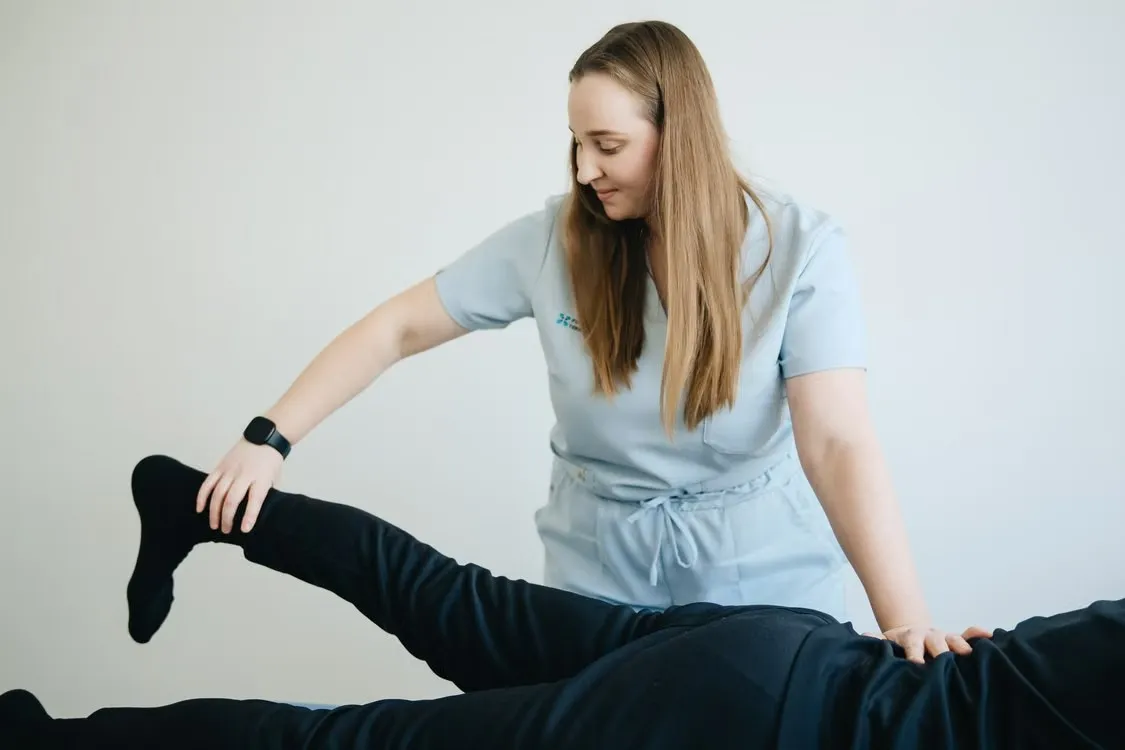
For many families, understanding how NDIS paediatric physiotherapy fits into the National Disability Insurance Scheme can feel overwhelming at first. The service is designed to support children with physical, neurological, intellectual, and developmental needs through movement-focused therapy aimed at enhancing their overall quality of life. In early childhood and beyond, therapy can play a vital role in an NDIS plan when it relates to function, mobility, and participation. To see how this works in practice, it helps to start with what the service involves and how funding can support your child.
What Is NDIS Paediatric Physiotherapy?
NDIS paediatric physiotherapy provides therapy for children who need help with movement, strength, balance, coordination, and physical function. Through the National Disability Insurance Scheme, this support can help enhance community participation by being funded if it meets your child's needs and daily activities.
A paediatric physiotherapist assesses your child’s movement in real-life settings and identifies challenges concerning motor development, such as developmental delay, low muscle tone, difficulty with gross motor skills, or reduced strength. The goal is to improve everyday functioning.
NDIS paediatric physiotherapy supports your child’s development by building practical physical skills and daily living skills tailored to your child's routines, goals, and abilities. Therapy is personalised to encourage steady progress at your child’s own pace.
How the NDIS Supports Children’s Therapy Needs
The NDIS funds therapy to support children’s function, independence, and participation in achieving developmental milestones. If your child’s plan includes physiotherapy, sessions address movement challenges related to disability and daily life.
Early intervention is key—starting support sooner lets children build new skills before difficulties grow. Therapy also helps children with physical disabilities move more safely at home, school, and in the community.
Your child’s NDIS plan may cover assessments, therapy sessions, exercise programs, and mobility support if these align with specific goals. In short, NDIS funding makes targeted therapy more accessible and consistent for children.
Key Benefits of NDIS Paediatric Physiotherapy for Child Development
Strong physical foundations can change how your child experiences everyday life. NDIS paediatric physiotherapy plays a crucial role in supporting your child’s development by improving motor skills needed for movement, play, and independence. These gains often link directly to meaningful children’s goals.
It also helps turn physical skills into functional outcomes. That may mean better balance on stairs, safer walking in the community, or improved participation in routines. The benefits become clearer when you look at both independence and confidence.
Enhancing Motor Skills and Physical Independence
One key benefit of NDIS-supported physiotherapy for kids is improved movement in daily life, as it helps to minimise travel time. Therapy focuses on motor skills through strength training, balance, gait retraining, and coordination linked to real activities.
As strength and control develop, children often gain more independence—finding it easier to stand up, use stairs, or move around school with less assistance. This capacity building supports practical progress.
Typical therapy goals include:
Improving walking, running, jumping, and stair use
Building balance, posture, and range of motion
Practicing movements like sit-to-stand, dressing, or toileting
Boosting Confidence and Participation in Daily Life
Regular therapy produces noticeable results at home and in the community. As movement becomes easier, children are more willing to join daily activities, try new tasks, and stay active.
This is important because development involves not just physical ability, but also confidence, community involvement, and life skills. A child who moves safely can participate more in play, family outings, and school tasks.
Families can expect:
Improved participation in daily and social activities
Increased confidence in movement and self-care
Steady progress toward full potential with goal-based support
Who Can Access NDIS Paediatric Physiotherapy Services?
Access depends on your child meeting NDIS eligibility and on whether physiotherapy addresses their functional needs. NDIS participants may receive support if therapy helps with movement, safety, or participation.
Your child’s age also impacts how support is planned, especially in early childhood. The main question is whether physiotherapy can help your child with daily activities. The next sections cover eligibility and the application process.
Eligibility Criteria for NDIS-Funded Physiotherapy
Begin by asking: Does your child need therapy to improve movement, safety, or participation in daily life? Under the National Disability Insurance Scheme (NDIS), paediatric physiotherapy treatment is considered when it aligns with your child's needs and goals.
Eligibility isn't just about a diagnosis—it depends on how physical challenges affect daily activities like walking, balance, transfers, or coordination. If these issues limit participation, physiotherapy may be included in the NDIS plan.
Eligibility Area | What It May Look Like |
Functional Impact | Difficulty with mobility, balance, strength, or independence |
Child’s Needs | Support needed for routines, play, school, or community access |
Therapy Relevance | Physiotherapy can improve movement, safety, or participation |
Plan Alignment | NDIS goals relate to physical function and development |
Navigating the Application Process for Your Child
The application process can seem overwhelming, but breaking it down helps. Gather clear information about your child’s movement challenges, current abilities, and how therapy, including pain management techniques, could help.
Paediatric physiotherapists can provide assessments and goal-focused recommendations to support your NDIS plan and demonstrate the need for therapy. Early support is especially important for young children, as they develop rapidly.
Key steps:
Collect details on your child’s medical history, movement concerns, and daily challenges
Request assessment reports that outline therapy needs and expected outcomes
Connect therapy requests to practical goals in the NDIS plan
Services Provided by NDIS Paediatric Physiotherapists
NDIS paediatric physiotherapy goes beyond clinic exercises. Services include assessments, movement practice, strength training, gait and balance work, mobility support, and home programs tailored to your child’s goals.
This comprehensive approach supports children with diverse developmental challenges. Effective therapy plans focus on real-life needs, starting with understanding which areas require attention.
Types of Child Developmental Challenges Addressed
NDIS paediatric physiotherapists help children overcome movement and physical challenges, such as developmental delays, low muscle tone, gait issues, poor coordination, and difficulty reaching milestones.
They also support children with neurological or physical disabilities, including cerebral palsy, muscular dystrophy, neuromuscular disorders, brain injuries, spinal cord injuries, and other movement conditions.
Therapy can address:
Delays in walking, running, jumping, or using stairs
Poor balance, weakness, or limited range of motion
Reduced coordination in arm or leg activities
Custom Assessments and Goal Setting for Kids
Effective therapy begins with custom assessments that evaluate your child’s movement, strength, balance, joint range, fitness, fine motor skills, and daily task management. This helps therapists identify the right support.
Goals are then set for real-life outcomes like safer walking, better stair use, improved balance, or greater independence with dressing and transfers. Early intervention is especially valuable before habits become harder to change.
Services may include assessment, strength and balance training, gait training, functional activities, exercise programs, and mobility equipment advice. This holistic approach keeps therapy practical, measurable, and relevant to daily life.
What to Expect During a Paediatric Physiotherapy Session
Your first paediatric physiotherapy session is usually focused on understanding your child’s journey in detail. The therapist looks at movement, current ability, routines, and what may be limiting progress. This initial assessment shapes the next steps.
As sessions continue, the child’s progress is monitored using both formal and practical measures. Family involvement is also important because therapy works best when it fits into everyday life. Here is what that process often looks like.
The Initial Assessment and Family Involvement
At your child’s first appointment, the physiotherapist will conduct a thorough assessment. They’ll review medical history, current abilities, goals, routines, and daily challenges.
They’ll observe your child’s movement—getting up from a chair, walking, managing steps or uneven ground- and check balance, strength, and range of motion—to understand real-world needs.
Family involvement is key. Therapists may join daily routines to see how things work at home. They can then share a summary with healthcare providers and support teams to guide next steps.
Building an Individualised Treatment Plan
An individualised treatment plan is created after assessment identifies your child’s movement barriers and strengths, addressing children’s needs. The therapist then connects these findings to goals important for your child’s development, such as safer walking, better balance, or improved participation in daily routines.
The plan is practical and evidence-based. Therapy may take place in the clinic, at home, or in community settings like parks, gyms, or pools—wherever your child learns best. Therapists can also collaborate with occupational therapists and other supports as needed.
A treatment plan may include:
Targeted exercises for strength, balance, coordination, and range of motion
Functional practice for tasks like transfers, stairs, dressing, or moving around the community
Home activities to help your child build new skills between sessions
Conclusion
NDIS paediatric physiotherapy provides essential support for children’s development through personalised strategies that improve motor skills, build confidence, and encourage active participation. By addressing each child’s unique needs and utilising an early childhood approach with NDIS benefits, families can access effective therapy and tailored treatment plans. These services help children reach their full potential in a positive environment. Ready to give your child the support they deserve? Contact Advance Therapy for a consultation today!