

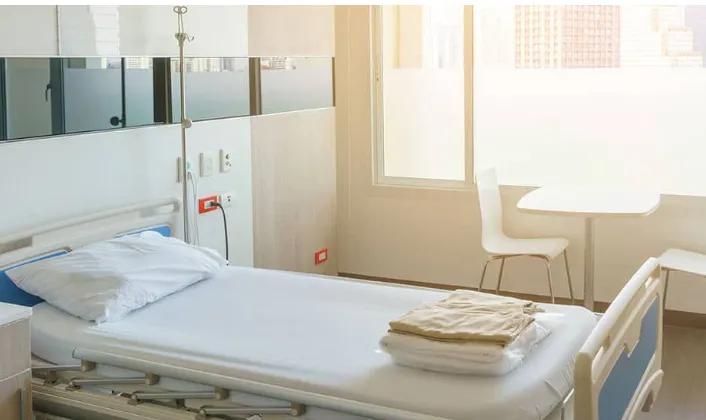
Choosing the right hospital bed is important for patient comfort, caregiver safety, and hospital efficiency. Today, more hospitals, clinics, and home care centers are upgrading to electric and smart hospital beds because they improve mobility, reduce caregiver strain, and support faster recovery. The global demand for advanced hospital beds continues to grow with the expansion of healthcare facilities and elderly care services.
A modern hospital bed is no longer just a basic medical product. It now includes features like electric adjustment, side rail protection, pressure relief systems, and intelligent monitoring functions. These features help improve patient safety and reduce the workload for healthcare staff.
Types of Hospital Beds
Manual Hospital Beds
Manual beds use hand cranks for adjustment. They are affordable and suitable for basic care environments. Many small clinics and temporary care centers still use them because of their low maintenance cost.
Semi-Electric Hospital Beds
Semi-electric beds combine electric backrest adjustment with manual height control. They offer a balance between price and convenience. Many healthcare providers choose this type for general wards and home care.
Full Electric Hospital Beds
Full electric beds allow caregivers and patients to adjust height, backrest, and leg positions with a remote control. They are widely used in ICUs, nursing homes, and rehabilitation centers because they improve efficiency and patient comfort.

Key Features to Look For
When selecting a hospital bed, buyers should focus on these important factors:
Electric adjustment functions Safe side rails Durable steel frame Easy mobility with locking casters Pressure ulcer prevention mattress support High weight capacity Easy cleaning and infection control design
Hospitals also prefer beds with Trendelenburg positioning, CPR functions, and smart monitoring systems for critical care units.
Why Choosing the Right Supplier Matters
Working with reliable hospital bed suppliers helps healthcare facilities receive high-quality products, stable delivery, and professional after-sales service. A trusted supplier can also provide customized solutions for hospitals, nursing homes, and rehabilitation centers.
Professional hospital bed manufacturer companies usually offer OEM services, strict quality control, and international certifications such as ISO and CE. This ensures long-term product reliability and compliance with global healthcare standards.
Final Thoughts
The demand for advanced hospital beds is increasing rapidly in both hospitals and home healthcare markets. Full electric hospital beds, ICU beds, and smart patient care systems are becoming the preferred choice for modern medical facilities. By selecting the right hospital bed and working with experienced suppliers, healthcare providers can improve patient safety, caregiver efficiency, and overall care quality.