

How to Plan a Rhode Island Wedding Video Timeline That Captures the Whole Celebration
Key Takeaways
A strong wedding video timeline creates structure while leaving room for genuine reactions.
Build the schedule around fixed events, then protect time for travel, sound setup, portraits, and unexpected delays.
Rhode Island weddings often involve waterfront weather, historic properties, narrow roads, or multiple locations, so practical buffers matter.
Clear ceremony audio and relaxed time between formal events can make the finished film feel far more personal.
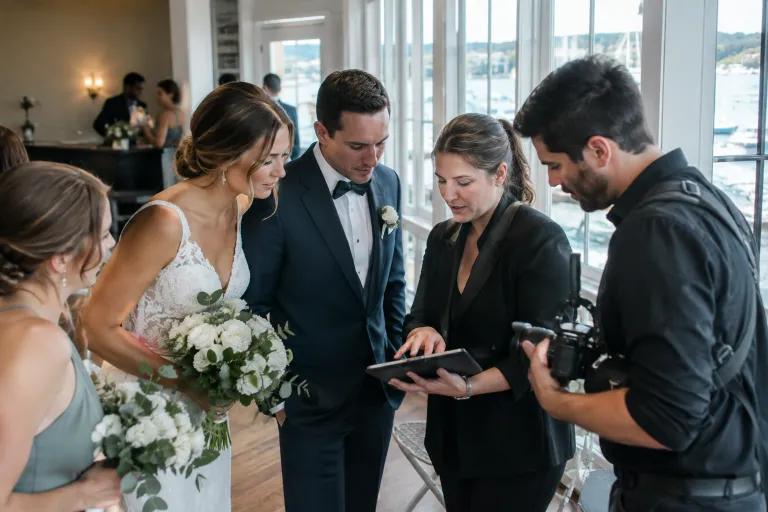
A wedding film should preserve the feeling of the day, not document a race from one scheduled activity to the next. Couples working with Adam Gorham Films can begin with a simple goal: create a timeline that gives the video team access to meaningful moments while allowing everyone to stay present for the celebration. That balance is especially important for Rhode Island weddings. A Newport waterfront ceremony, a Providence ballroom reception, a garden gathering in Bristol, or a coastal celebration in Narragansett can all require different timing for travel, light, setup, and weather protection. The best schedule reflects the venue, the people involved, and the moments that matter most to the couple.
Why a Video-Friendly Timeline Matters
Photography and videography work closely together, but they do not always need the same amount of time or the same position in a room. Video coverage requires time to place microphones, record ambient sound, establish the setting, and capture movement between major events. A timeline with breathing room also gives the camera a chance to capture hugs, laughter, and nerves before the ceremony, as well as reactions that cannot be recreated later. There is no universal wedding-day formula. Ceremony time, guest count, family dynamics, cultural traditions, venue rules, and travel all influence the right plan. Rather than filling every minute, prioritize essential events and leave room for the day's flexible parts to move.
Start With the Moments That Matter Most
Before setting times, make a short list of the scenes you want your final film to hold onto. Share that list with your planner, photographer, and video team so everyone understands what deserves extra attention.
Core Moments to Consider
Getting ready with parents, friends, and the wedding party
Letters, gifts, private vows, or a first look
Guest arrivals and venue details
The processional, vows, readings, and recessional
Portraits, family reactions, and a few quiet moments together
Reception entrances, toasts, dances, traditions, and open dancing
A final dance, exit, or private closing scene
Decide whether coverage should focus on the wedding day alone or extend to a welcome party, rehearsal dinner, boat outing, cultural celebration, or farewell brunch. Multi-day coverage can be especially valuable when guests have traveled to Rhode Island for a full weekend experience.
Build the Day Around Fixed Anchors
Start with the events that cannot easily change: the ceremony, reception entrance, meal service, speeches, first dance, transportation departures, and venue closing time. Then work backward to determine preparation start times and forward to identify where buffers are needed.
Set the ceremony start time and expected end time.
Add realistic travel, parking, loading, and setup time between locations.
Schedule portraits when the available light best supports the look you want.
Leave open time after the ceremony for congratulations, family groupings, and a reset before the reception.
Keep reception traditions grouped logically, but avoid packing every formal event into one short stretch.
A Flexible Rhode Island Wedding Video Timeline
11:00 a.m.: Preparation footage, attire, rings, stationery, flowers, and venue details
12:30 p.m.: Letters, gifts, or private messages
1:00 p.m.: First look and couple portraits
2:00 p.m.: Wedding party and immediate-family portraits
3:00 p.m.: Guest arrivals, ceremony details, and audio setup
3:30 p.m.: Ceremony
4:15 p.m.: Congratulations, portraits, and location footage
5:30 p.m.: Reception entrance and dinner
6:30 p.m.: Toasts and speeches
7:00 p.m.: First dances and parent dances
7:30 p.m.: Open dancing and candid guest moments
9:30 p.m.: Final dance, exit, or quiet closing scene
Use this as a starting point, not a rigid rule. Sunset, religious customs, a long receiving line, ferry schedules, and the distance between a ceremony in one Rhode Island town and a reception in another can all change the plan.
Leave Time for Preparation and Clean Audio
Preparation footage helps establish the day's story. Have meaningful details available when the video team arrives, but do not feel pressured to perform for the camera. A parent fastening a cufflink, friends sharing a laugh, or a calm moment near a window can be more memorable than a staged scene. Audio deserves the same planning as visuals. Discuss microphone placement for the couple and officiant, access to the DJ or venue sound system for speeches, and backup recorders. Outdoor ceremonies near the water may also require planning for wind, waves, traffic, or nearby guests. Ask how vows and toasts will be recorded, what backup options are used, and how an outdoor location changes the approach.
Use Light, Locations, and Vendor Coordination Wisely
Natural light changes quickly at coastal properties, gardens, and historic venues. If possible, reserve a short portrait session closer to sunset, and identify shaded or indoor alternatives for bright midday conditions or rain. A few minutes outside after dinner can provide variety without taking the couple away from guests for long. Share a single master timeline with every vendor, identify portrait locations in advance, and designate a planner or trusted point person to communicate any changes. When comparing coverage options, review a wedding video package checklist to match coverage hours and deliverables to the parts of the day you want documented.
Plan for Weather, Permits, and the Unexpected
Every outdoor Rhode Island wedding needs a practical backup plan. Confirm an indoor ceremony space, covered portrait option, umbrellas if appropriate, and enough transition time to move guests and vendors. If portraits or events take place on public park property, review the applicable special-use permit requirements well before the wedding date, since filming, photography, and event activities may be subject to site-specific rules.
Also protect time for vendor meals, battery changes, equipment resets, and travel delays. A short buffer before the reception can keep a small setback from affecting speeches, dances, or dinner service.
Common Timeline Mistakes to Avoid
Leaving no travel or parking buffer between locations
Starting portraits so late that they interrupt the reception or lose usable light
Booking coverage that ends before the key reception moments begin
Overlooking microphones and sound checks until the ceremony is about to start
Scheduling formal events back-to-back with no room for guest interaction
Assuming an outdoor backup plan can be created on the wedding day
Final Review Checklist
Confirm ceremony, reception, transportation, and venue closing times.
Mark the highest-priority moments for the finished film.
Review travel routes, parking, weather alternatives, and portrait locations.
Confirm audio access for vows, readings, and speeches.
Add buffers between major events and appoint one person to handle updates.
A thoughtful wedding video timeline gives the day direction without making it feel overproduced. When couples build around their priorities, allow for Rhode Island's changing conditions, and leave room for real connection, the final film can capture both the landmark moments and the small in-between memories that make the celebration uniquely theirs.