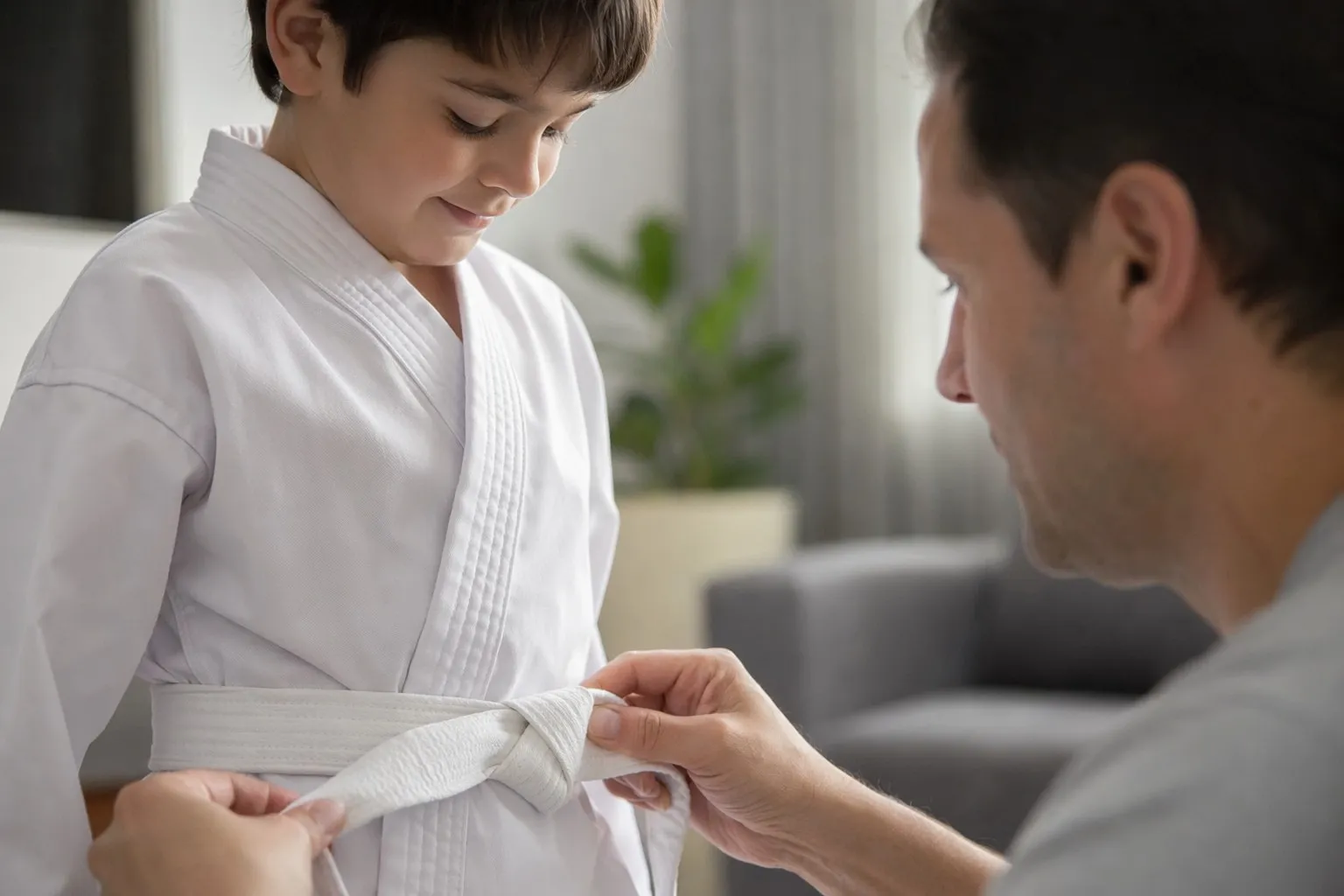
Key Highlights
Self-defence classes for kids help young people build safer habits, better focus, and steady confidence.
Good martial arts classes support physical fitness, balance, and simple physical skills through structured practice.
Many classes also improve social skills, listening, and teamwork in a supportive environment.
Parents should look for qualified instructors, clear class rules, and age group fit.
A trial class can show whether the teaching style matches your child’s needs.
Progress often comes through regular practice, goal setting, and small wins over time.
Introduction
Choosing self-defence classes for kids can feel hard when you want safety, confidence, and real value. Many parents want martial arts classes that help young people handle social situations, build discipline, and stay active. This guide explains what to look for, how classes work in Australia, and how to help your child start with confidence.
Understanding Self Defence Classes for Kids in Australia
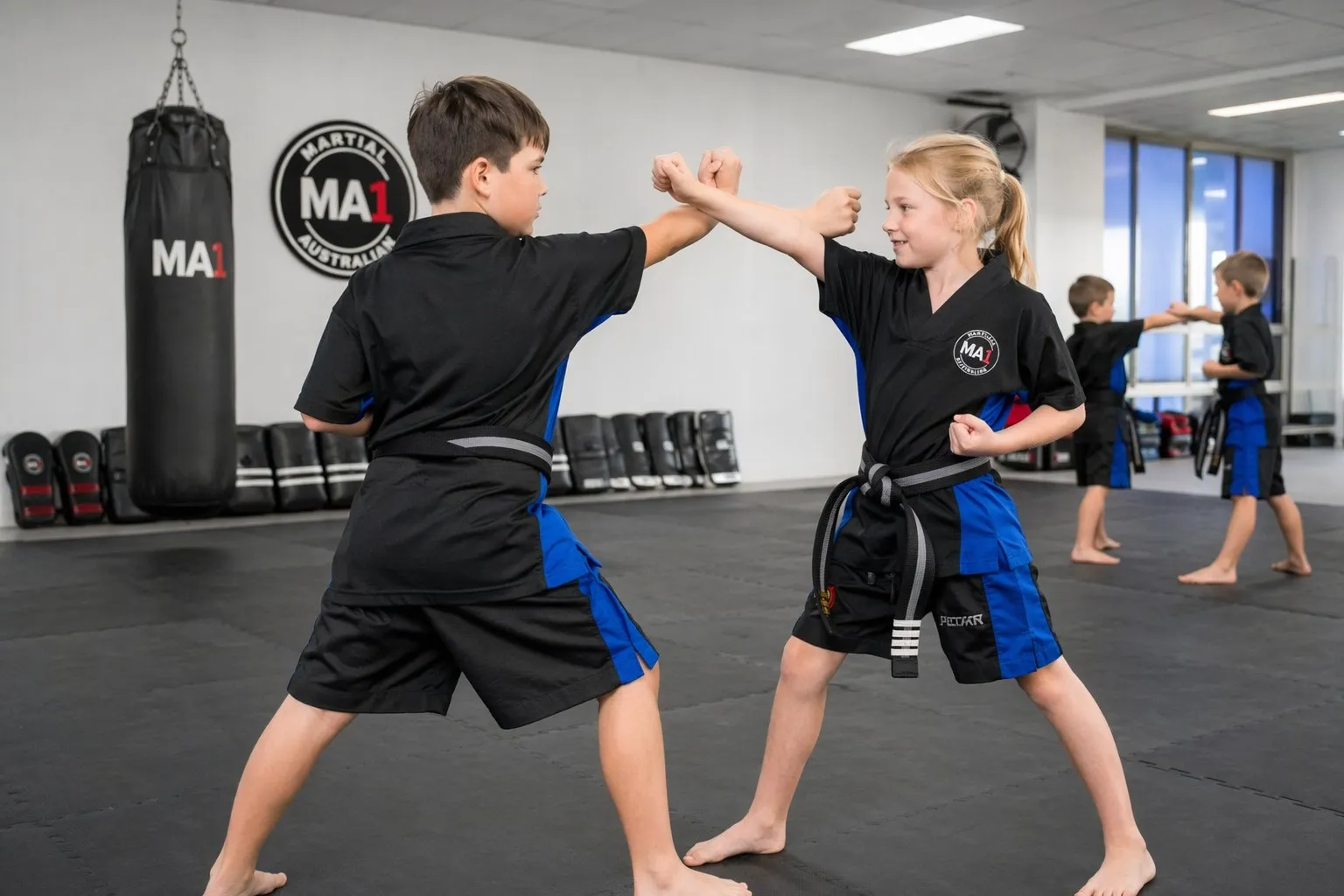
In Australia, self-defence classes for kids are often taught through martial arts. The best classes do more than teach physical techniques. They create an educational environment where young children learn respect, focus, and safer choices in daily life.
When choosing a class, start with your child’s needs. Look at the age group, class size, and whether martial arts instructors give individual attention. A good programme should feel organised, calm, and suitable for different ages. From here, it helps to understand the main benefits your child can gain.
The Main Benefits of Self-Defence Training for Kids
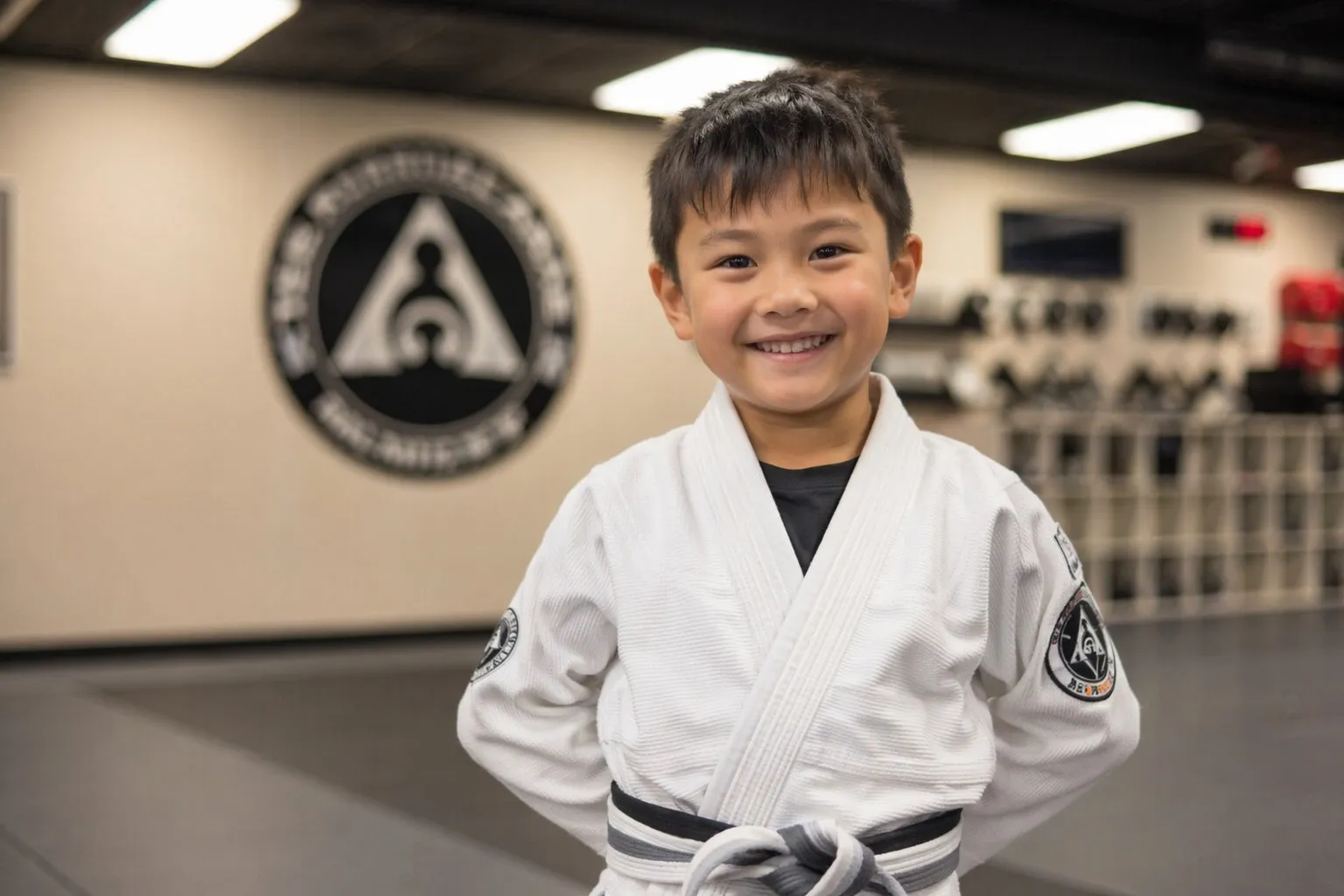
The main martial arts benefits for children are simple and practical. They learn new skills, improve physical fitness, and become more aware of how to respond in difficult situations. That matters both in class and outside it.
Just as important, training can support emotional regulation and stronger social skills. A shy child may speak up more after a few weeks, while an energetic child may learn better control. These gains become clearer in the areas below.
Building Confidence and Resilience
Confidence often grows through small successes, not one big moment. In martial arts training, a child learns a stance, remembers a sequence, or completes a drill. Each step gives a sense of accomplishment.
That steady progress supports personal growth. A child who once avoided trying may begin putting up a hand for partner drills or asking a question in class. Those moments matter because they build real confidence.
Over time, this also develops mental toughness. Children learn that effort, patience, and regular practice lead somewhere. That lesson helps in school, sports, and other areas of life.
Physical Fitness and Coordination Improvements
Many parents first notice better energy and movement. Martial arts lessons involve footwork, balance, and controlled actions that improve coordination without making class feel like exercise.
This kind of training supports physical fitness and cardiovascular health in a way that children can enjoy. For example, a younger student who struggles with balance may improve through repeated stance and movement work over several weeks.
As for age, readiness matters more than a fixed number. If your child can follow instructions, join a structured environment, and enjoy guided physical activities, they may be ready to start.
Social Skills and Teamwork in Class Settings
Classes are not only about self-defence. They are also a place where children practise social skills in a supportive environment. This can help with peer pressure, turn-taking, and respectful behaviour.
Partner drills and shared activities teach teamwork in a natural way. A child learns to listen, wait, and work safely with others instead of trying to win every exchange.
Examples include:
taking turns during partner drills
Following instructions with younger students and advanced students
making new friends through shared goals
learning anti-bullying strategies such as confidence, boundaries, and avoiding unnecessary conflict
Types of Self-Defence Classes for Kids
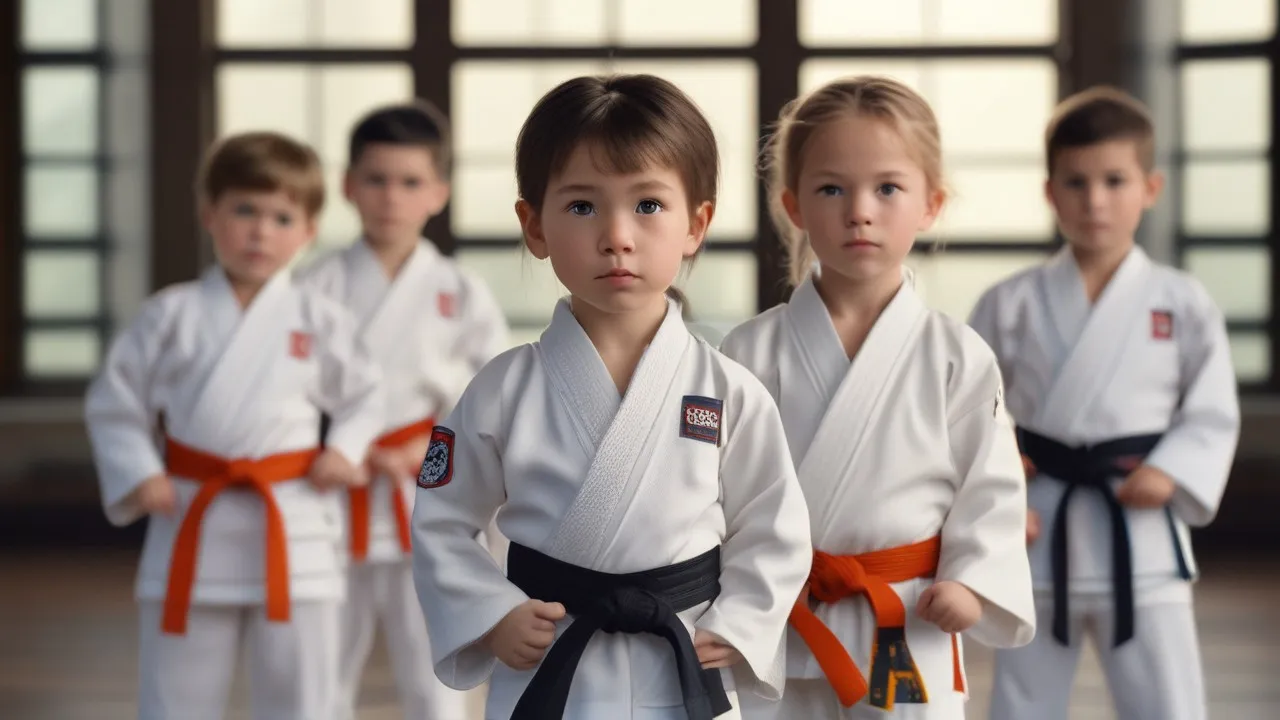
Not every self-defence class looks the same. Some martial arts classes focus on striking, some on grappling, and some on broad safety skills. The best choice depends on your child’s age group, confidence, and current skill levels.
Some schools also offer family sessions where parents and children train together. If that interests you, ask directly during your first enquiry. Before enrolling, it helps to compare the common styles.
Comparing Karate, Taekwondo, Jiu-Jitsu and More
Parents often ask which style is best. The short answer is this: the best martial arts program is one with quality instruction, safe teaching, and a good fit for your child.
Different styles build different physical skills and new skills. Some use a belt system, which can help with goal setting and motivation. Here is a simple comparison:
Style | Common focus for children |
Karate | Basic strikes, discipline, simple patterns, belt progression |
Taekwondo | Kicking, balance, flexibility, and fast movement |
Jiu-Jitsu | Ground control, leverage, calm problem-solving |
Step-by-Step Guide to Starting Self Defence Classes
Starting can feel easier when you break it into clear steps. Your first step is not enrolment. It is finding a martial arts school that offers a supportive environment and teaching that suits your child.
A free trial class can tell you more than a website ever will. Watch how instructors manage the room, speak to students, and give individual attention. Then move through the process one step at a time.
Step 1: Research and Shortlist Suitable Schools
Begin with a short list of local options. Look for a martial arts school that clearly explains its classes, age groups, and teaching approach. You want quality instruction, not vague promises.
Next, check whether martial arts instructors seem experienced with children. A good sign is clear structure, simple communication, and a focus on safe progress rather than pressure. That sets the tone for a better martial arts journey.
Finally, see whether the school offers a trial class. One visit can show if the space feels calm, organised, and suitable for your child’s personality.
Step 2: Visit and Assess Trial Classes
During the trial class, watch the room more than the moves. Do the children seem settled? Does the coach correct mistakes with patience? These details matter.
A free trial class should show a supportive environment where younger students are guided without being singled out. If one child struggles, the instructor should adjust, not rush past. That is a strong sign of individual attention.
Ask one practical question after class: how do you help nervous beginners? The answer often tells you whether the programme is right for your child.
Step 3: Enrol Your Child and Set Expectations
Once you enrol, keep expectations simple. Your child does not need to become advanced fast. The goal is steady learning, comfort in class, and small wins.
Goal setting helps. For young children, that might mean joining in without tears for four weeks. For others, it could be remembering class rules, earning a new belt, or improving focus during drills. Belt progression can motivate, but it should not become pressure.
This approach supports confidence because your child sees progress clearly. A calm start usually leads to a stronger martial arts journey.
Step 4: Support Practice at Home and Track Progress
Most children learn basic self-defence habits over weeks or a few months, depending on attendance and regular practice. Home support does not need to be intense. Short, simple review works well.
Try one routine after class. Ask your child to show one movement, one rule, and one thing they enjoyed. This keeps progress clear and supports personal growth and mental clarity.
Helpful ways to track improvement:
Note confidence in the first class and after six weeks
Watch how physical techniques become smoother
Check whether focus improves at different skill levels
praise effort, not only results
Conclusion
In conclusion, enrolling your child in self-defence classes can be a transformative experience, enhancing not only their physical skills but also their confidence and resilience. By understanding the various types of classes available, such as Karate, Taekwondo, and Jiu-Jitsu, you can make an informed decision that suits your child's needs and personality. Remember, the journey begins with research and trial classes, where you can assess the environment and teaching style. Supporting your child’s practice at home will further cement their learning and development.
Frequently Asked Questions
How long does it take for kids to learn basic self-defence skills?
Many children pick up basic self-defence routines within a few weeks of regular martial arts training. Progress depends on attendance, confidence, and skill levels. Clear goal setting helps children improve physical skills faster and stay motivated.
Are self-defence classes for kids safe and supervised?
Yes, good classes should be safe and supervised. Look for martial arts instructors who create a safe space, keep young children in a structured environment, and use quality instruction with clear rules, steady pacing, and close attention.
Do self-defence classes include anti-bullying strategies?
Many do. A strong martial arts school often teaches anti-bullying strategies such as awareness, calm boundaries, and avoiding escalation in social situations. This can help children handle peer pressure while feeling part of a supportive community.
What should my child wear to their first self-defence class?
For a trial class, comfortable clothes are usually enough unless the school says otherwise. Your child should wear something easy to move in, so they can try new skills safely and enjoy the martial arts benefits for their age group.
If you arrived here after searching for buy loose diamonds, men's wedding bands, or a tennis necklace on Anny's, this guide covers a very different kind of confidence: helping children grow through safe, structured training.