

Social Isolation in Seniors: How the Right Apartment Community Can Make All the Difference
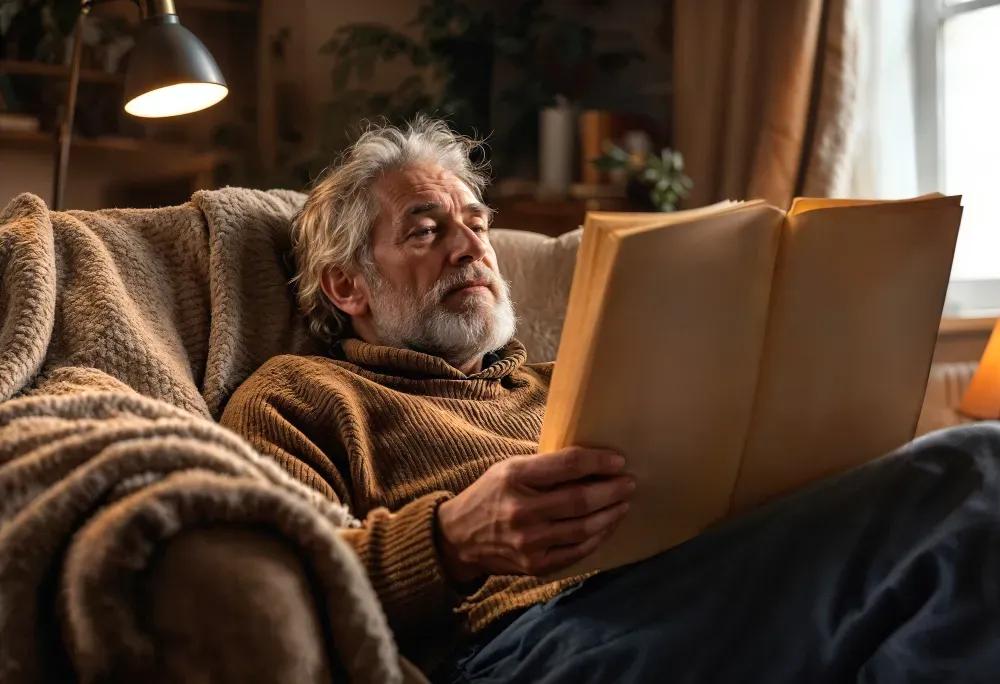
Image source: freepik
Loneliness doesn't always look the way we expect it to. Sometimes it's the person who stopped attending book club. Sometimes it's the neighbor who used to wave from the porch but now keeps the curtains drawn. For millions of older adults, isolation creeps in quietly, and the consequences reach far beyond just feeling a little blue on a Tuesday afternoon.
The statistics are honestly pretty alarming. According to the National Institute on Aging, social isolation significantly increases a person's risk of premature death from all causes, rivaling the dangers of smoking, obesity, and physical inactivity. We're not talking about minor health concerns here. We're talking about stroke, heart disease, depression, and even dementia. That's why choosing the right living environment matters so much, and communities like The Manor Senior Apartments have designed their spaces specifically to combat this modern epidemic, with walkable access to cultural treasures like Balboa Park that keep residents engaged with their surroundings.
Why Isolation Hits Seniors Particularly Hard
Think about how life changes after retirement. The daily commute disappears. Office friendships fade. Kids move across the country for work. A spouse passes away. Suddenly, the natural social structures that kept us connected for decades just... aren't there anymore.
Mobility issues make things worse. When climbing stairs becomes a challenge, or driving at night feels dangerous, people start saying "no" to invitations. They stop going to the grocery store, the community center, the places where casual interactions happen. Before long, days can pass without a meaningful conversation.
The San Diego County Aging & Independence Services has documented how geographic isolation compounds the problem in sprawling suburban areas where walking to a neighbor's house isn't always feasible. This creates a perfect storm for loneliness, particularly for seniors who've lost their ability to drive independently. Even in a city as vibrant as San Diego, isolation can happen when the built environment doesn't support connection.
What Makes a Senior Apartment Community Different
Here's where the right apartment community changes everything. I'm not talking about just having neighbors nearby (though that helps). I'm talking about intentional design that facilitates connection.
Good communities create what sociologists call "low-barrier social opportunities." That's a fancy way of saying you can participate without planning, without driving, without a big time commitment. Coffee in the common area at 9 AM. Someone playing piano in the lounge after dinner. An impromptu card game. These spontaneous moments matter more than we realize.
Location plays a huge role too. Communities situated near cultural landmarks offer built-in opportunities for engagement. Imagine being able to walk to Balboa Park for a morning stroll through the gardens, an afternoon at one of the museums, or a weekend concert at the Spreckels Organ Pavilion. That kind of access transforms daily life from routine to enriching.
Shared amenities do something clever as well. They give people reasons to leave their apartments. A fitness room, a library, a community garden, these aren't just nice features listed on a brochure. They're social catalysts. You go to water your tomatoes and end up chatting with Margaret about her grandson's graduation. You head to the gym and discover that Tom also loves old westerns. Small moments accumulate into friendships.
The Health Benefits Are Real (and Measurable)
Research published in peer-reviewed journals shows that seniors living in communities with robust social programming have measurably better health outcomes. Their blood pressure runs lower. They take fewer medications. They report higher life satisfaction scores.
Mental health particularly improves when isolation decreases. Depression rates drop. Cognitive function often stabilizes or even improves when the brain gets regular social stimulation. There's growing evidence that meaningful social interaction might actually slow the progression of memory-related conditions.
Physical health improves too, partly because people are more likely to exercise when they have workout buddies, and partly because they're more motivated to stay healthy when they have social connections they don't want to lose. San Diego's year-round pleasant weather certainly helps, making outdoor activities and walking accessible every single day. Nobody wants to miss Friday poker night because they're sick.
Look for These Features When Evaluating Communities
Not all senior apartments are created equal when it comes to fighting isolation. Here's what actually works:
Daily scheduled activities that vary in intensity and interest. Some days should be gentle (movie screenings, book clubs), other days more active (group walks, dance classes). The variety ensures there's always something for different energy levels and interests.
Common spaces designed for lingering, not just passing through. Comfortable seating arrangements that encourage conversation. Good lighting. Maybe a fireplace or a view. These details determine whether people actually use the space or treat it like a hotel lobby.
Transportation services that expand the world beyond the building. Regular trips to shopping centers, cultural events, medical appointments, these keep residents connected to the broader community. Being in a senior apartment shouldn't mean isolation from the wider world. In San Diego, access to beaches, museums, and neighborhoods like Little Italy or La Jolla can make every outing feel special.
Walkable layouts where you naturally encounter neighbors. Long, institutional hallways don't encourage interaction. Well-designed communities create natural gathering spots and pleasant walking paths. Even better when those paths lead somewhere meaningful, whether it's a nearby park, library, or café.
The Emotional Side Nobody Talks About
Moving to a senior apartment often comes with complicated feelings. There's grief about leaving a family home. Anxiety about making new friends at 75 or 80. Pride can make people hesitate to admit they're lonely.
The best communities acknowledge these emotions. They don't just focus on activities; they create a culture of welcome. Long-term residents who mentor newcomers. Staff who learn names and remember details. An atmosphere where asking for help doesn't feel like admitting defeat.
Making the Move
If you're considering this transition for yourself or a loved one, visit communities at different times of day. Tour at 10 AM, then come back at 3 PM or during dinner. Watch how residents interact. Do people seem to know each other? Are they smiling? Can you picture yourself in those conversations?
Talk to current residents without staff present if possible. Ask about their social life honestly. How long did it take them to make friends? What do they wish they'd known before moving in? If a community is near attractions like museums or parks, ask residents how often they actually take advantage of that proximity.
The right community won't just provide housing. It'll provide connection, purpose, and belonging. And that makes all the difference between just getting older and actually living well.