

When Should You Consider IVF? Signs It May Be Time to Explore Fertility Treatment
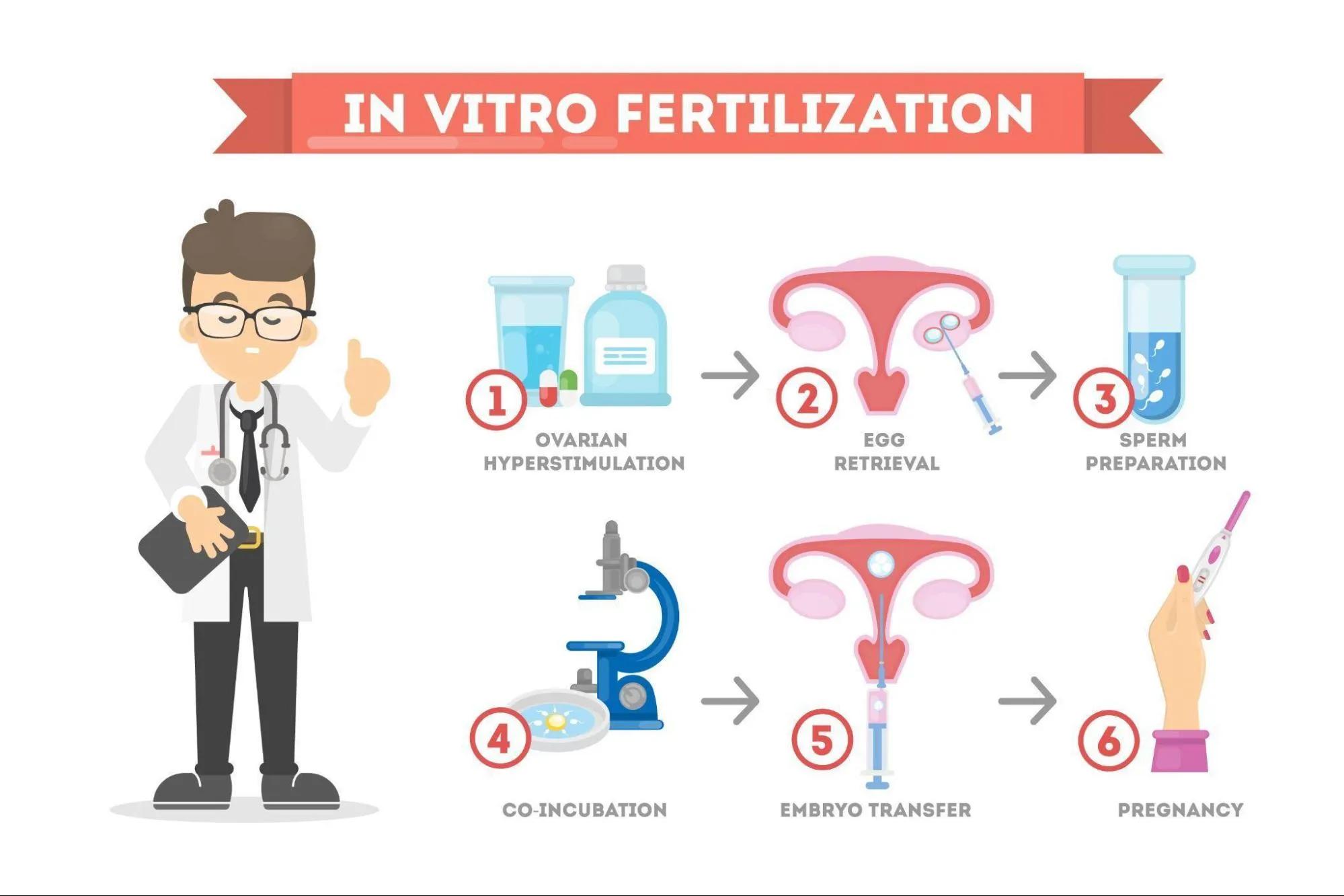
Quick Summary
You may want to speak with a fertility specialist if:
You've been trying to conceive for a long time without success
Age is starting to feel like a concern
You've been diagnosed with conditions like blocked tubes, endometriosis, or low ovarian reserve
Male fertility issues, such as low sperm count or motility, have been identified
Previous fertility treatments haven't worked
You've been told it's “unexplained infertility”, but still don't have answers
You're ready to stop guessing and start getting medical guidance
If you've been reading about IVF late at night, saving clinic pages, or quietly wondering, “Should we be looking into this now?” you're not alone.
For many couples and individuals, this question doesn't show up out of nowhere. It usually arrives after months of trying, tracking cycles, timing everything perfectly, and hoping this month will be different.
Sometimes it's after a difficult appointment. Sometimes it's after another negative test. And honestly, that's heavy.
Thinking about in vitro fertilization doesn't mean you've failed. It doesn't mean you've reached the end of the road either. For a lot of people, it's simply the point where they start asking for more support.
The choice to explore in vitro fertilization is personal. Really personal. It's emotional, physical, financial, and sometimes confusing all at once.
When Time Starts Feeling Like More Than Just Time
One of the first things fertility doctors look at is how long you've been trying to conceive.
General guidance often suggests:
Under 35 years old: evaluation after 12 months of trying
Over 35 years old: evaluation after 6 months
These timelines aren't there to rush you. They're more like checkpoints. Because when months turn into a year, and every cycle starts carrying disappointment, getting answers can matter a lot. If pregnancy hasn't happened within these timeframes, it may be worth discussing whether in vitro fertilization or another fertility treatment fits your situation. Some people may need help earlier because of their medical history or symptoms they've already been dealing with.
Age Matters, But It Isn't the Whole Story
Age comes up often in fertility conversations, and, honestly, it can feel stressful hearing about it repeatedly. Yes, egg quantity and quality can change with time. That's true. But age alone doesn't decide your future.
Some people in their late thirties explore in vitro fertilization earlier because they don't want to lose more time. Others may conceive naturally. Some need treatment sooner, even in their twenties. There's no single pattern here. Age is information, not a label.
Certain Diagnoses May Be Worth Discussing With Your Doctor
Sometimes, there are medical reasons fertility specialists bring IVF into the conversation earlier. A few examples include blocked or damaged fallopian tubes. Endometriosis Endometriosis doesn't look the same for everyone. Some women spend years dealing with painful periods, bloating, or discomfort and don't connect it to fertility at first. Others only hear the word endometriosis after they start trying for a baby and things aren't going as planned. Low ovarian reserve Low ovarian reserve means the egg count may be lower than expected for your age. Hearing that can feel overwhelming, especially when people already feel pressure around timelines and family planning. Still, it isn't an automatic sign that pregnancy won't happen. It just means future treatment conversations may need a closer look. Male factor infertility Fertility conversations often land heavily on women, and many couples talk about how exhausting that feels. But male fertility matters too. Low sperm count, movement issues, or sperm quality concerns can also affect conception and may become part of treatment discussions. Genetic Concerns Some people look into IVF with genetic testing because of family history, previous pregnancy experiences, or advice from their doctor. For couples already carrying worry about passing on certain conditions, having these conversations can bring a bit more clarity and direction.
When Other Treatments Keep Ending In Disappointment
For many couples, IVF isn't the first thing they try. There may have already been medications, ovulation tracking apps, supplements, lifestyle changes, and IUI cycles.
When treatments haven't worked, it's normal to wonder whether staying on the same path still makes sense. Exploring in vitro fertilization after previous attempts isn't giving up. Sometimes it's just moving to the next step with better information.
Unexplained Infertility Can Feel Especially Frustrating
You've done the tests. Results come back normal. Yet pregnancy still isn't happening. People often say things like “just relax” or “it'll happen.” Not always helpful. Unexplained infertility can leave people feeling stuck because there isn't an obvious answer to hold onto. In these situations, doctors may discuss more testing, monitoring, or whether in vitro fertilization could be useful.
Emotional Readiness Matters Too
This isn't only a medical decision. It affects real life.
Appointments, waiting periods, expectations, costs, hope, disappointment. Sometimes all in the same month. You might ask yourself:
Am I emotionally ready to explore treatment?
Do I have support around me?
What am I expecting from this process?
How will I look after myself during treatment?
There isn't a perfect answer. Some people feel ready immediately. Others need time.
Finances are Part of the Conversation Too
Fertility treatment can be expensive, and many couples already carry emotional stress before finances even enter the discussion. In vitro fertilization may involve treatment costs, medications, testing, scans, and multiple appointments.
It's okay to ask practical questions. You may want clarity on:
Total treatment costs
Payment plans
Medication expenses
Number of cycles that may be needed
Insurance possibilities, if available
Financial readiness looks different for everyone.
Final Thoughts
If you're asking yourself whether it's time to explore fertility treatment, you don't need every answer today. Clinics like Femcare Fertility support patients through evaluations, treatment discussions, and care planning so decisions feel informed and less overwhelming.