

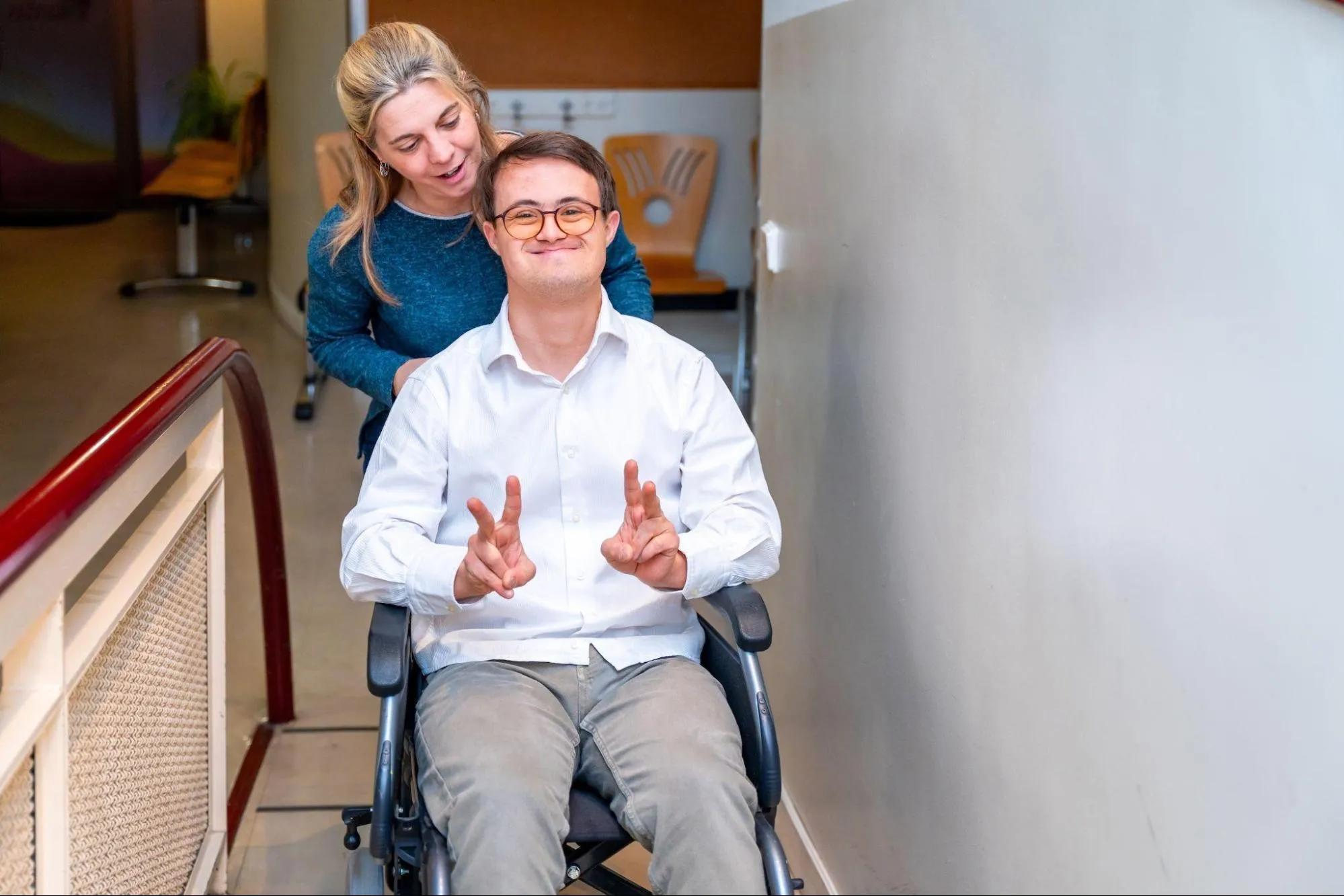
Disability support work rarely draws attention unless something goes wrong. Most of it happens quietly, inside homes and community spaces, away from public view. Still, for people who rely on support, this work shapes everyday life. It affects how safe they feel, how routines unfold, and how much control they have over their own choices.
As more people need long-term support, cracks in the system are harder to ignore. The issue here is the number of workers available and their skill level. Here's why.
The Need for Disability Support Is Growing
More people need disability support now than in the past. Advances in healthcare mean people live longer, including those with a developmental disability or long-term physical condition. This is a positive change, but it also means support is often needed for many years, not just during short periods.
Families usually take on much of this responsibility first. Over time, the strain builds. That’s when support workers become essential, not optional. They help manage routines, appointments, and daily activities that might otherwise feel overwhelming.
Demand also increases when people apply for benefits like Social Security Disability Insurance or go through a disability claim process. These situations often bring stress and uncertainty. Support workers help people stay grounded while systems and paperwork move slowly.
Skill Matters More Than Many People Think
There are a lot of misconceptions about disability support work. People imagine that it only requires a little more than kindness and patience. Those qualities count, but they don't take the place of skill.
Support workers can assist with mobility, personal care and meals, communication, and the use of assistive technology. Each task brings a component of responsibility. Poor technique can lead to injury, and missed steps could mean confusion or distress.
Training equips the workers to undertake such tasks safely. It also teaches them when not to intervene. This is where the balance comes into play. If proper training is lacking, then reliance is placed on instinct, and that is just not sufficient when it comes to health and safety.
The job requires work, patience, and responsibility, but gives meaning in turn. Those who value practical skill and human connection may want to consider a support-worker role, especially as the need for capable workers continues to grow.
Compassion Makes Support Feel Human
Skill keeps people safe. Compassion determines how support feels.
Many moments in disability support are personal. Help may be needed with hygiene, meals, or managing mental health challenges. These moments can leave someone feeling exposed or frustrated, even when they don’t say it out loud.
A compassionate worker understands this. They slow down when needed. They speak clearly and respectfully. They don’t treat care as a checklist.
Trust grows from these small choices. When trust is present, people feel safer speaking up about what isn’t working. Support becomes a shared effort rather than a quiet tension.
Every Person Needs a Different Kind of Support
Disability doesn’t look the same for everyone. Needs change based on age, health, personality, and environment. Someone receiving early intervention services will need a different approach than someone managing a condition later in life.
Support fails when workers apply the same routine to everyone. Some people need structure. Others need flexibility. Some benefit from conversation. Others need quiet.
Good support adapts. It listens and adjusts. Workers who respect individual preferences help people keep control over their own lives, even when assistance is necessary.
Good Support Builds Independence
Disability support isn’t meant to take over. It’s meant to support growth and confidence.
Strong workers encourage effort instead of rushing to fix everything. They give people space to try, even when progress is slow. This applies to physical tasks, communication, and decision-making.
Using the right support options can make a difference here. That might include tools, routines, or technology that allows someone to do more on their own. Independence often grows quietly, step by step.
These moments matter because they build dignity and self-trust.
Worker Burnout Affects Everyone
Disability support work is demanding. Long hours and emotional strain take a toll, especially when workers don’t feel supported themselves.
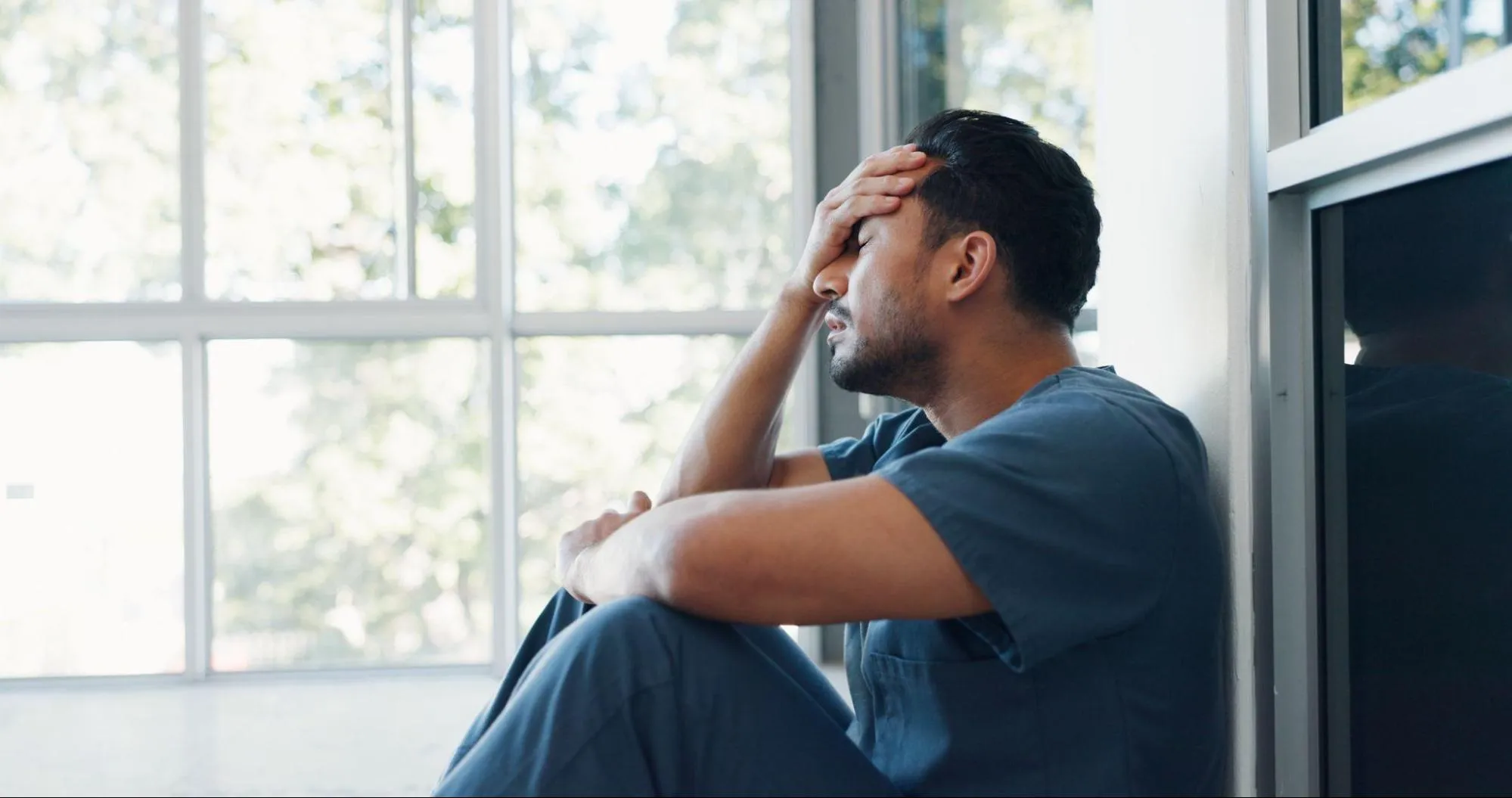
When burnout leads to high turnover, people receiving support feel the impact immediately. Familiar faces disappear. Routines change. Trust has to be rebuilt again and again.
Keeping skilled workers means investing in trained professionals and offering real backing, not just praise. Fair pay, ongoing training, and emotional support all play a role. People stay when they feel their work is respected.
Strong Support Creates Stronger Communities
Quality disability support doesn’t stop with individuals. Families benefit when reliable care is in place. Stress eases when supportive help is consistent.
Communities also benefit. When people with disabilities receive the right assistance, they can take part in school, work, and social life more fully. Inclusion becomes part of everyday reality, not a policy statement.
Clear access to services and more information about available resources helps people make informed choices. Strong systems depend on people who understand how to guide others through them.
Conclusion
Disability support work is demanding, personal, and essential. It requires skill, patience, and genuine care. As the need for support continues to grow, the shortage of trained and compassionate workers is more apparent. That’s why this work needs more people who are prepared to do it properly.