


Leaving an abusive relationship looks like a simple choice from the outside. People often ask why a person stays when the harm seems so obvious. However, abuse works quietly. It weaves fear, hope, and guilt together over time.
Abusive relationships aren't bad all the time. They thrive on a cycle of care and apologies. A partner might promise to change or show a better version of themselves. These glimpses make walking away feel agonizing. When you add money problems, children, and the physical danger of leaving, the choice becomes even harder.
But those aren't the only reasons that could hold you back. There's more to it. Here are a few:
Abuse Can Be Subtle and Gradual
Domestic violence usually starts quietly. It can begin as small criticisms, then turn into manipulation and blame. This slow buildup makes it hard to realize what is happening.
You may be in the denial stage at this point. You might question whether the situation is bad enough to count as abuse. Without clear proof, leaving can feel dramatic or premature. This slow erosion of boundaries makes you doubt your own instincts. It turns a toxic environment into a new, painful normal.
Asking for help feels impossible when you aren't even sure you’re a victim yet. But this is where outside guidance can be useful. Talking to a counselor, advocate, or legal professional can help you sort through what’s happening without pressure to make fast decisions.
Just make sure you look for local experts when seeking legal help. For example, you need to find a domestic violence defense attorney in Colorado Springs if you live in the area. Local experts can explain what different steps mean and help you understand your options. This is even more important when your situation involves local family courts, protective orders, or custody questions.
Financial Dependence Can Limit Your Options
Money can trap you in a narcissistic relationship. An abusive partner might control the bank accounts. They could also prevent you from working so that you don't access income.
But even if you earn your own money, shared debts can still tie you down. So does a lease with both names on it.
Leaving without money means no rent deposit, groceries, or gas to get anywhere. The financial abuse and stress pile on top of everything else you're already dealing with.
Domestic violence shelters offer a way out. Transitional housing provides temporary shelter while you get back on your feet. These programs connect you with resources, help with job searches, and assist with finding permanent housing.
Emotional Attachment Runs Deep
Strong feelings don't disappear just because harm exists. Love, shared memories, and hope for the future still feel real. An abusive partner might show care after violence. They apologize after controlling behavior. These moments renew hope that things could improve.
The emotional ups and downs create confusion. Someone can feel torn between fear and affection at the same time. That's not a weakness. It's a normal response to emotional trauma, mental health struggles, and the grief process.
Counseling sessions can help domestic violence victims process these feelings. It helps them understand their own needs better.
Children Make the Choice More Complex
Kids change everything. You'll probably be worried about losing custody or uprooting them from the life they know. The idea of breaking up the family feels unbearable, so some stay.
But children absorb the tension even when domestic abuse isn't directed at them. They hear arguments and fights through bedroom walls. Growing up like this can leave its own kind of damage.
That's why you need a safety plan to create a better environment for your kids. This may mean lining up a shelter space. It could also mean finding a lawyer who handles child custody cases involving abuse.
You may also have to get a restraining order. These protective orders can keep an abuser away from both parent and child. It may not solve all your problems, but it's a step closer to safety.
Shame and Isolation Can Keep You Stuck
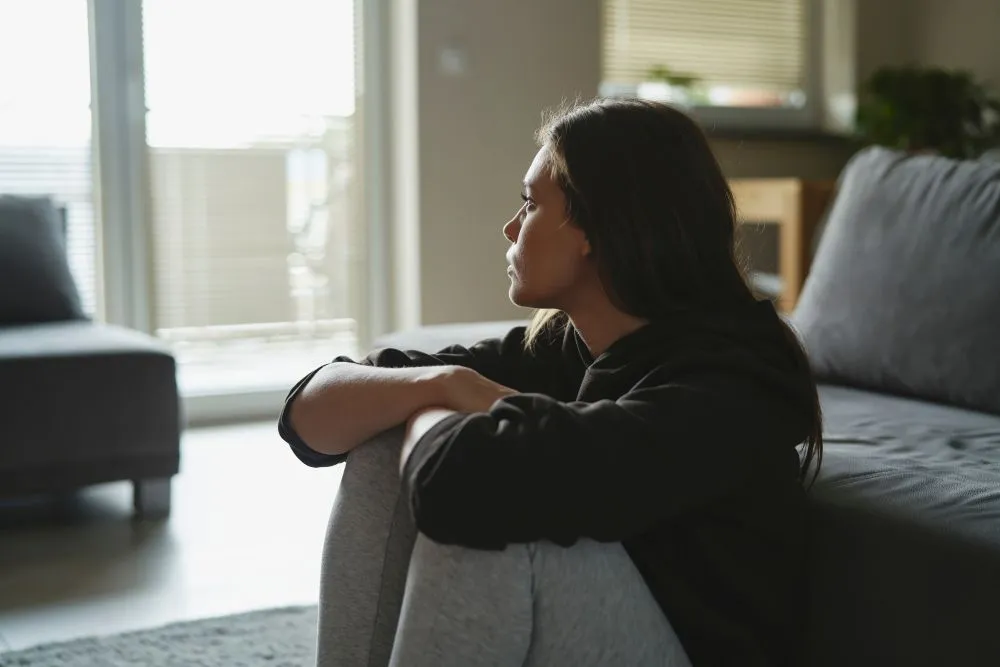
Abusers isolate their victims. It starts with a snide comment about a friend or a joke at a sister's expense. Then come the explosive fights. Eventually, you stop making plans just to keep the peace at home. You find yourself alone before you even realize the walls have been built.
Shame keeps those walls standing. You might think this is your fault or feel humiliated that you let it get this far. But the longer you stay, the heavier the exit feels.
The good news is that support groups and counselors can help you get through this. Talking to someone who understands the cycle of abuse can change your perspective. It reminds you that people actually make it out.
Conclusion
Leaving an abusive relationship isn't simple. It involves dealing with fear, money, kids, and emotional ties that outsiders may not understand.
If you're in this situation, your timeline is valid. The fact that you haven't left yet doesn't mean you won't. The path out can be messy and hard, but it exists. Thousands of people walk it every year. You can too.