

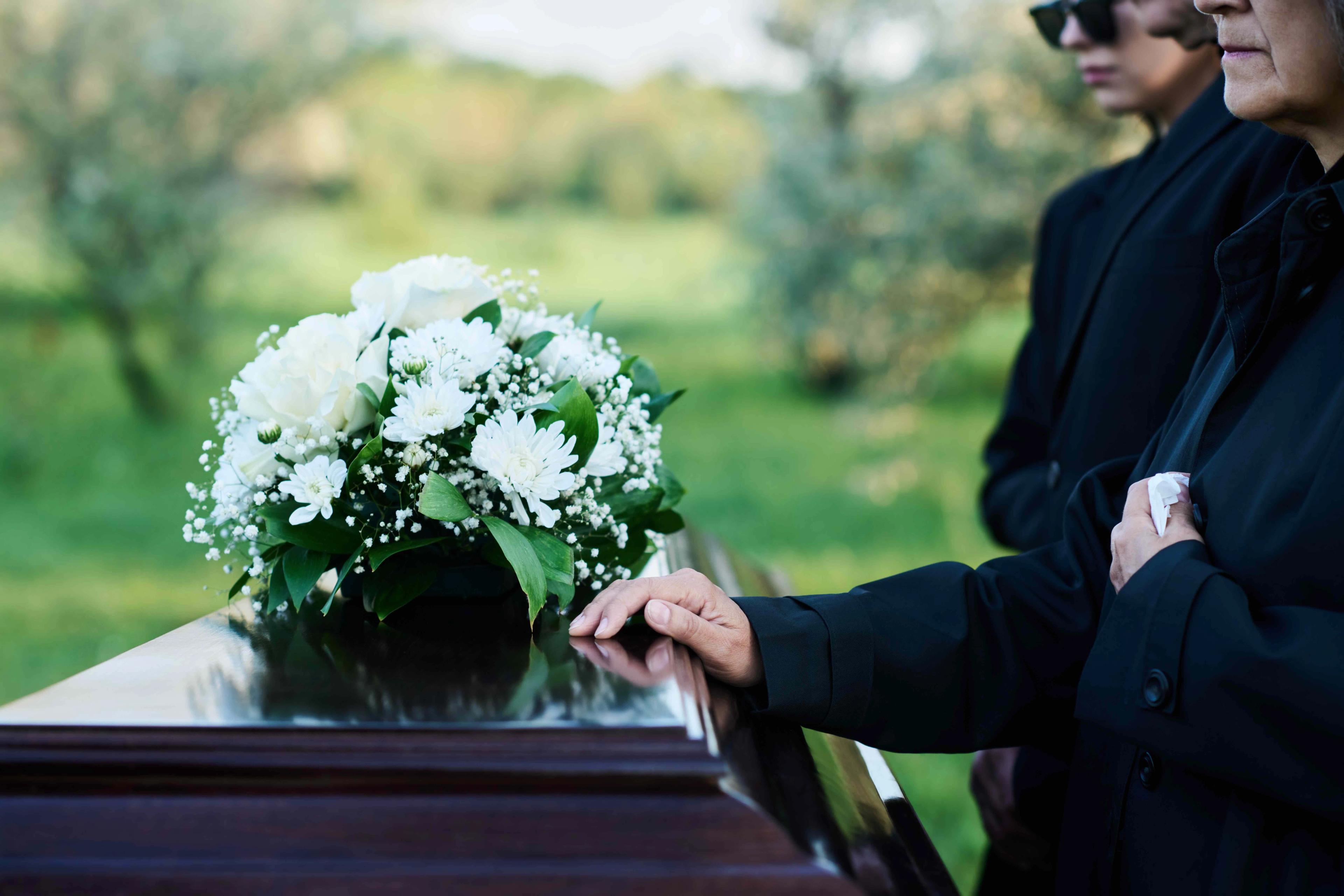
Two related claims can arise from one loss, but they belong to different people and compensate different harm.
THE SHORT ANSWER: A wrongful death claim compensates eligible family members for what they lost. A survival claim belongs to the deceased person’s estate and seeks damages the person could have recovered if death had not occurred. |
When a preventable accident takes a life, Texas law may recognize two civil claims: wrongful death and survival. Families often hear both terms during the same conversation, so it is natural to think they mean the same thing. They do not.
The simplest way to understand the difference
Think of the claims as looking in opposite directions:
A wrongful death claim looks forward at the harm the death causes the surviving family.
A survival claim looks backward at what the person experienced between the injury and death.
Both claims may be brought in the same lawsuit. Keeping them separate, however, helps prevent eligible damages or family members from being overlooked.
What is a Texas wrongful death claim?
A wrongful death claim arises when a person dies because of another party’s wrongful act, neglect, carelessness, lack of skill, or default. That definition appears in Texas Civil Practice and Remedies Code Section 71.002.
The claim belongs to the family members Texas law identifies: the surviving spouse, children, and parents of the person who died. Section 71.004 addresses who may bring the case. Siblings, grandparents, stepparents, and stepchildren generally are not wrongful death beneficiaries unless a legal adoption changes the relationship.
Wrongful death damages focus on each eligible family member’s individual loss. Depending on the evidence, those losses may include:
Lost financial support, care, maintenance, services, advice, and counsel.
Loss of companionship, comfort, love, and society.
Mental anguish caused by the death.
Loss of inheritance the beneficiary probably would have received.
Loss of parental care, guidance, and education for a child.
After four decades of handling serious injury and death cases, I believe the hardest loss to present is often the relationship itself. A tax return can show income. It cannot show the parent who coached every game, the spouse who held a family together, or the adult child who called a parent every evening. A careful case must tell that story honestly and specifically.
For a fuller explanation of beneficiaries, damages, and case preparation, see Baumgartner Law Firm’s guide to Texas wrongful death claims.
What is a Texas survival claim?
Texas’s survival statute does not create a new injury. Instead, it prevents a personal injury claim from disappearing merely because the injured person died. Under Texas Civil Practice and Remedies Code Section 71.021, the claim survives in favor of the heirs, legal representatives, and estate.
In practice, the estate’s personal representative commonly brings the survival claim. In some circumstances, heirs may establish standing to proceed. Probate and estate issues should be addressed early rather than assumed.
Survival damages may include losses the deceased person could have pursued had he or she lived:
Medical expenses related to the fatal injury.
Conscious physical pain and mental anguish before death.
Lost earnings between the injury and death.
Property damage and other recoverable personal injury losses.
Conscious pain is a fact question. A person does not need to speak after an accident for evidence of awareness to exist. Medical records, witness accounts, movements, sounds, emergency treatment, and expert testimony may all matter. At the same time, a lawyer should never overstate suffering that the evidence cannot support.
Why the distinction matters
Different people own the claims
Wrongful death claims belong directly to eligible family members. A survival recovery belongs to the estate. That difference can affect control of the case, creditor claims, probate proceedings, and final distribution.
The damages do not go into one undivided bucket
A spouse’s loss of companionship is not an estate loss. The deceased person’s pre-death pain is not the spouse’s damage. Pleadings, evidence, settlement documents, and allocation should identify which claim each recovery resolves.
The evidence is different
A wrongful death case may rely on family photographs, messages, testimony about daily life, employment records, and expert analysis of future support. A survival claim may depend more heavily on emergency records, medical testimony, scene evidence, and proof of conscious pain or lost earnings before death.
Distribution may be different
Wrongful death proceeds compensate the eligible beneficiaries for their own losses. Survival proceeds pass through the estate and may be affected by a will, intestacy law, estate expenses, or valid creditor claims. Families should understand that difference before agreeing to an allocation.
A practical example
Suppose a commercial truck driver causes a crash. The injured person remains conscious, receives hospital care, and dies two days later.
The spouse and children may have wrongful death claims for lost companionship, mental anguish, guidance, and financial support.
The estate may have a survival claim for the person’s medical expenses, conscious pain, mental anguish, and lost earnings during those two days.
The same collision caused both claims, but the claimants and damages are not the same. Fatal also require fast action because electronic logs, vehicle data, maintenance files, and company records may be lost or changed.
How long do families have to file?
The general Texas deadline for a wrongful death lawsuit is two years from the date of death under Section 16.003(b). A survival claim generally follows the limitation period for the injury the deceased person could have asserted. Other statutes can affect the calculation, and claims involving governmental units may carry much earlier notice requirements.
A filing deadline should never be treated as permission to wait. Video may be erased in days, a vehicle may be repaired, and a construction site may change before the funeral is over.
What families should ask at the first case review
Who qualifies as a wrongful death beneficiary?
Has an executor or administrator been appointed, and is an estate proceeding needed?
Did the deceased person survive for any period after the injury, and what evidence shows consciousness?
What physical, medical, electronic, employment, and family evidence must be preserved now?
Are there several responsible parties or layers of insurance?
How will any settlement be allocated and distributed?
The lesson from experience
Families should not have to master probate and personal injury law while grieving. They do deserve a clear explanation of whose claim is being pursued and why.
A wrongful death claim and a survival claim can work together to present the full legal harm caused by a preventable death: the life that was injured and the family relationships that were permanently changed.
Greg Baumgartner founded Baumgartner Law Firm in Houston in 1985. For more than 40 years, he has represented injured Texans and families in serious accident and wrongful death cases. He holds both J.D. and LL.M. degrees, is a graduate of the Trial Lawyers College, and personally handles each case his firm accepts.