

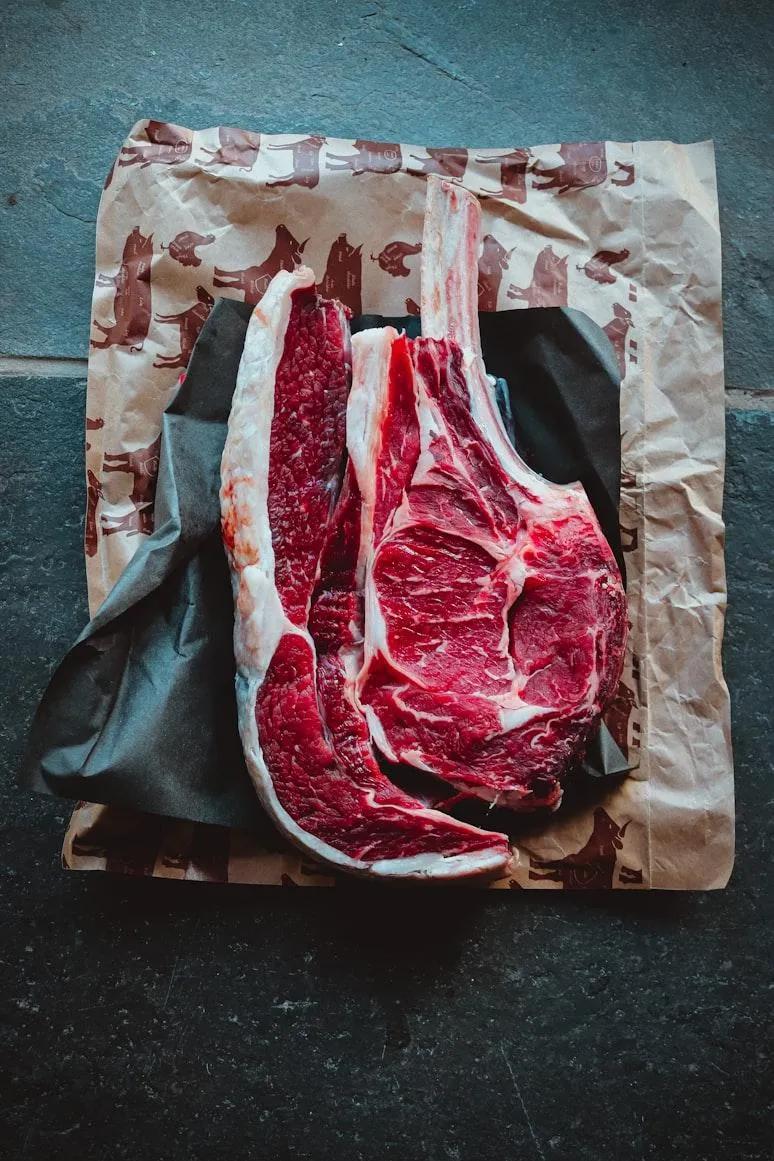
Somewhere on the internet, there's a person who watched a restaurant documentary about dry-aged beef and decided to try it in the back of their refrigerator using a paper towel and a hopeful attitude. That person, statistically speaking, ended up with either an expensive lesson in food safety or a piece of beef that tasted so unlike the restaurant version they wondered if they'd done it wrong. They usually had.
Aging beef at home is one of those food projects that looks simple in a video and turns out to be surprisingly technical in real life. It's not impossible, and for the right kind of home cook it can produce genuinely great results. But there's a wide gap between what actually works and what doesn't, and understanding the difference can save you both money and a very disappointing dinner.
First, the two main types of beef aging are worth understanding. Wet aging happens when beef sits in its own vacuum-sealed packaging for a period of days or weeks, which allows enzymes in the meat to break down proteins and tenderize the cut. Most of the beef sold at grocery stores has already gone through some wet aging before it hits the shelf. Dry aging, which is what most home cooks are curious about, involves exposing beef to controlled cold air over several weeks. The exterior of the meat forms a hard crust that gets trimmed away, and the interior develops the deep, concentrated flavor and buttery texture that dry-aged beef is famous for.
The reason wet aging is easier at home is that it doesn't require specialized equipment. Vacuum-sealed beef from a serious source will continue to wet-age in your refrigerator for another week or two, and the result is noticeably more tender than freshly cut beef. If you're buying from a ranch-direct program and receiving beef that arrives vacuum-sealed, you're already getting some of this benefit.
The reason dry aging is much harder at home is that it requires very specific conditions: consistent temperature between 34 and 38 degrees, humidity around 80 to 85 percent, controlled airflow, and separation from other foods that would either contaminate the beef or pick up its odors. A standard home refrigerator doesn't hold these conditions well. The temperature is close but the humidity is wrong, the airflow is uneven, and the presence of other foods creates cross-contamination risk. Trying to dry-age a steak on a rack in the back of your fridge produces something closer to jerky than dry-aged beef, and often includes bacteria you don't want.
The methods that actually work at home fall into a few categories. The first is buying a dedicated dry-aging refrigerator or converting a small mini-fridge with a temperature and humidity controller. The equipment is genuinely expensive (dedicated units run several hundred to a few thousand dollars), and there's a learning curve. But if you're going to do this regularly, this is the only method that produces restaurant-quality results.
The second method is using dry-aging bags, which are specialized moisture-permeable pouches that create a controlled aging environment inside your regular refrigerator. These work reasonably well for shorter aging periods (typically 14 to 30 days) and are much more accessible than dedicated equipment. The results aren't identical to real dry aging in a chamber, but they're close enough that most home cooks are happy with the outcome. Bags run $20 to $40 for a set, and the technique is forgiving enough that first-time users usually get decent results.
The third method that actually works is skipping home aging entirely and buying already-aged beef from a source that does it properly. This is the option most cookbook authors and food writers actually recommend, once you get past the initial appeal of doing it yourself. A ranch or specialty butcher with proper dry-aging facilities produces much better results than any home method, and the cost per pound is usually reasonable compared to the equipment investment.
The method that doesn't work, despite showing up in blog posts and YouTube videos, is the "wrap the beef in cheesecloth and put it in the fridge" approach. This produces uneven aging, food safety risks, and results that taste more spoiled than aged. If you see this method recommended anywhere, skip it. The reason it doesn't work is the same reason a home refrigerator doesn't work for real dry aging: humidity and airflow can't be controlled, and the exterior of the beef dries out or grows the wrong kind of bacteria before the interior develops any real aged character.
The other thing worth knowing about home aging is that starting material matters enormously. Aging cheap or poor-quality beef doesn't fix it. The concentration process amplifies whatever flavor characteristics are already present, which means starting with excellent beef produces something extraordinary and starting with mediocre beef produces something concentrated and mediocre. Ranches with serious genetics programs, like Riverbend Ranch, produce beef that responds well to aging because the underlying quality is there to build on. Trying to home-age commodity beef from the grocery store almost always disappoints because the raw material isn't good enough to reward the effort.
Communities of home cooks who experiment with aging tend to be great resources for anyone starting out. Places like the Riverbend Ranch Steaks page and similar cooking-focused groups often share side-by-side comparisons, timing experiments, and the kind of practical feedback that no cookbook offers. Reading through months of community posts on aging techniques teaches you more than any single article can, because you get to see what worked and what didn't across dozens of home kitchens.
There's also something to be said for the tradition side of beef aging. Serious ranching operations have been thinking about aging and beef quality for generations, and the techniques that have survived did so because they consistently produce better results. Coverage like the Riverbend Ranch feature on Fox Friends highlights how traditional American ranching approaches to beef quality still hold up in an era of industrial food production. There's a reason the methods that work for aging beef today are the same methods that worked a hundred years ago.
For home cooks curious about aging, the honest advice is: try wet aging in your regular refrigerator first, invest in dry-aging bags if you want to experiment further, and only consider a dedicated aging refrigerator if this becomes a real ongoing hobby. Start with the best beef you can source, follow proper technique carefully, and expect a learning curve. The rewards are real, but they require doing the work correctly. There's no shortcut that turns cheap beef and a random shelf into a restaurant experience, no matter what the internet promises.