

Image source: freepik
Coffee plays a meaningful role in daily routines, moments of reflection, and small rituals that shape a positive life. When you understand coffee brewing temperatures and why they matter, you gain control, intention, and consistency in a habit that starts many days.
Temperature directly influences taste, aroma, and balance, which makes it one of the most overlooked elements of mindful brewing. We’re exploring coffee brewing temperatures and why they matter so that your morning cup brightens your day.
The Science Behind Brewing Temperature
Water temperature determines how effectively coffee extracts flavor from ground beans. When water runs too cool, it struggles to dissolve the compounds that create sweetness and body. When water runs too hot, it pulls harsh acids and bitter oils that overwhelm the cup.
Most coffee experts agree that a range between 195 and 205 degrees Fahrenheit delivers balanced extraction while protecting delicate flavors. This range allows the coffee’s natural character to shine without overpowering the drinker.
Flavor, Mood, and Daily Energy
Coffee affects mood, focus, and emotional balance. A well-brewed cup supports clarity and calm energy, while a poorly brewed cup often leads to disappointment or restlessness.
Brewing at the right temperature brings harmony to flavor, which encourages slower sipping and appreciation. That simple pause can shift a rushed morning into a grounded start, reinforcing the connection between intentional habits and a positive mindset.
Common Temperature Errors To Avoid
Many people unknowingly brew coffee with boiling water straight from the kettle or lukewarm water from impatient timing. These habits create inconsistent results and diminish enjoyment.
Learning about temperature control helps with avoiding these coffee brewing mistakes and builds confidence in your routine. Small adjustments lead to noticeable improvements, which reinforces the value of patience and awareness in everyday choices.
How Brewing Methods Influence Temperature
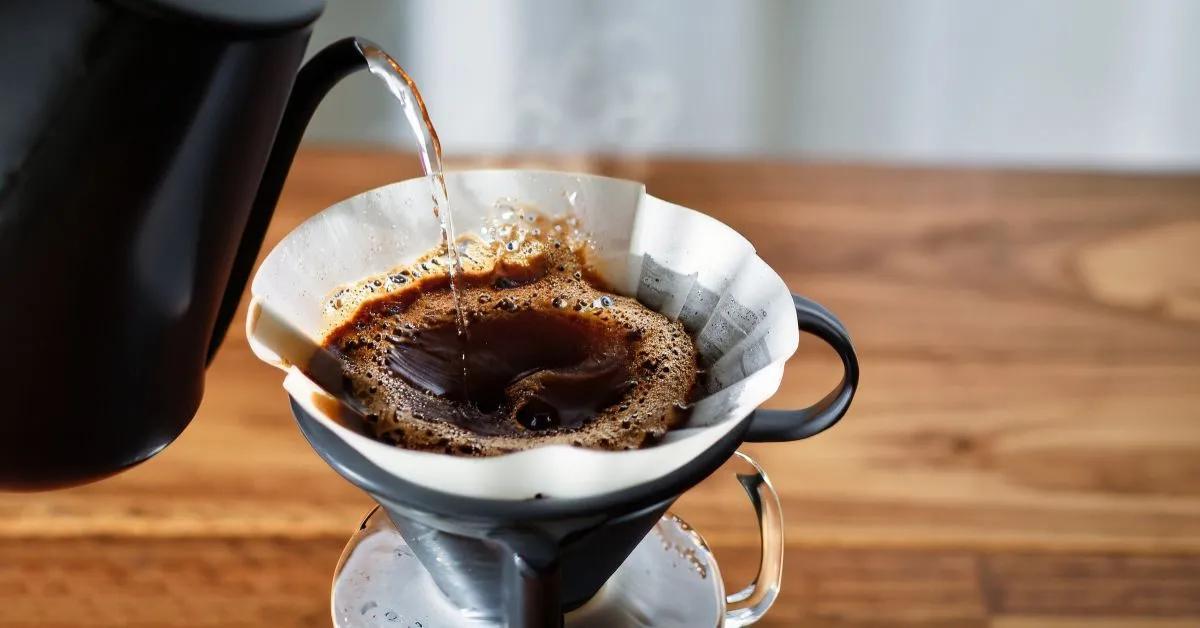
Each brewing method responds differently to temperature. Pour-over techniques demand precise control, while French presses benefit from slightly lower heat to prevent bitterness.
Espresso requires high pressure and exact heat to maintain balance. Learning about these differences allows you to match technique with intention instead of relying on guesswork.
For quick clarity, keep these temperature-focused reminders in mind:
Use a thermometer or temperature-controlled kettle when possible.
Let boiling water rest for 30 seconds before pouring.
Match grind size and brew time to the water’s temperature.
Stay consistent to build reliable results.
Mindful Brewing as a Positive Practice
Temperature control transforms coffee brewing into a mindful practice. When you slow down to heat water properly, you practice patience and presence. That mindset often carries into other areas of life, encouraging thoughtful decisions and healthier routines. Coffee then becomes a daily reminder that small, intentional actions create meaningful outcomes.
When you understand coffee brewing temperatures and why they matter, you take ownership of an experience that many people leave to chance. That sense of agency supports confidence, satisfaction, and appreciation. Mastering temperature does not require perfection. It requires attention, curiosity, and a willingness to improve one cup at a time.