

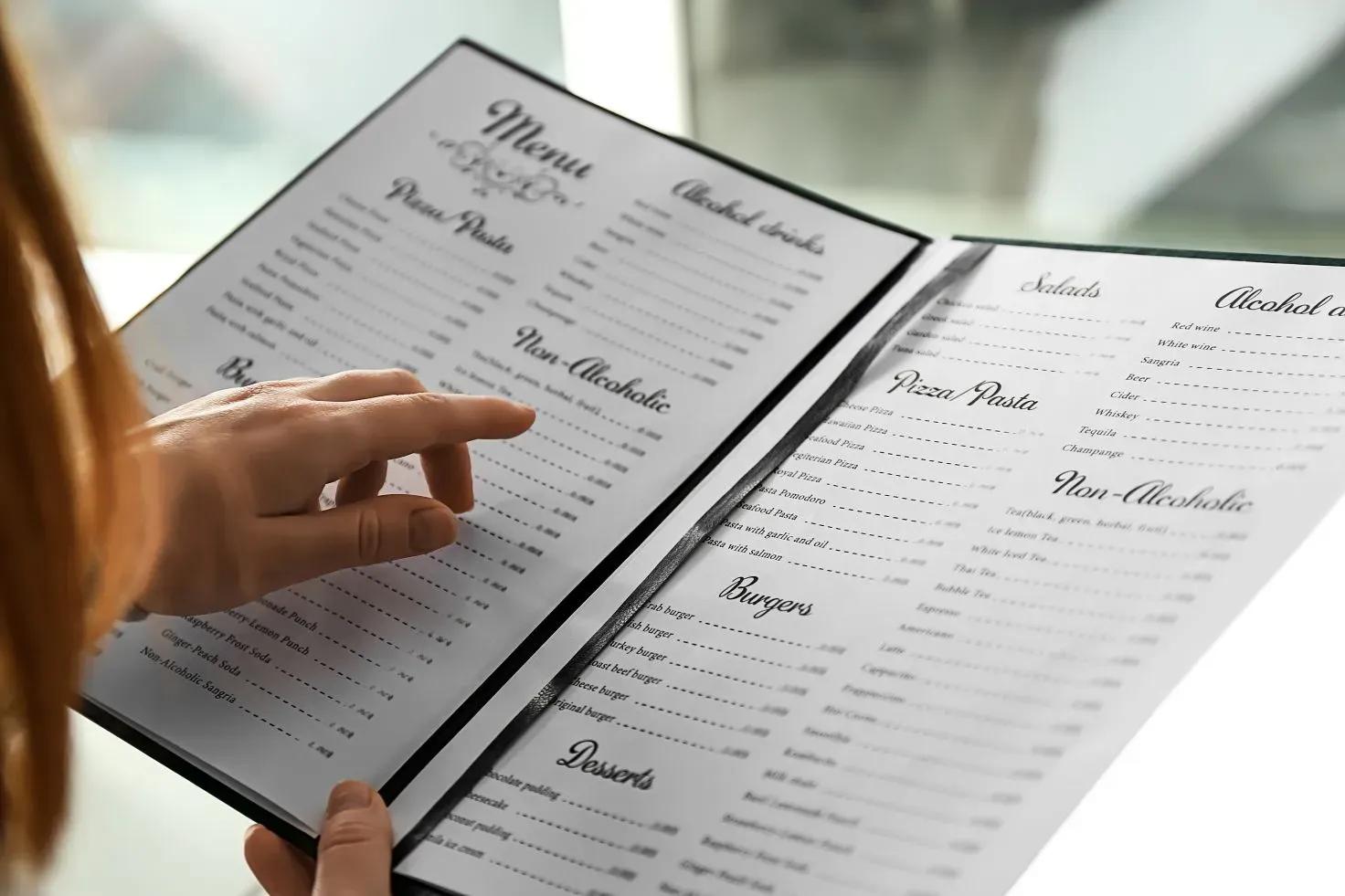
Restaurant menus carry more information than ever, yet many diners still pause when they see short labels like GF, DF, or VG. These abbreviations can feel confusing, especially when you’re trying to consider taste, health, and comfort at the table. Understanding what those labels really mean helps you order with confidence and enjoy your meal without second-guessing ingredients or preparation.
Menus use these markers to guide choices. Once you know how they’re applied, you can read between the lines, ask smarter questions, and avoid surprises that affect digestion, allergies, or personal preferences.
What GF, DF, and VG Actually Stand For
GF, DF, and VG are shorthand labels that tell how a dish is made. Their meaning depends on ingredients, preparation, and kitchen practices.
GF (gluten-free) indicates a dish made without wheat, barley, or rye. This matters if gluten causes digestive issues or needs to be avoided for medical reasons. Still, gluten-free doesn’t always mean zero exposure. Shared fryers, prep surfaces, or storage areas can introduce traces, so asking how the kitchen handles cross-contact is still important.
DF (dairy-free) means the dish doesn’t include milk-based ingredients such as butter, cream, or cheese. This label helps if dairy causes discomfort or allergic reactions. Keep in mind that sauces, marinades, and dressings can contain hidden dairy unless clearly noted.
VG (vegan) applies to dishes made without any animal products, including meat, dairy, eggs, or honey. Vegan options often lean toward plant-based ingredients, but preparation methods and nutritional balance can vary widely between kitchens.
When scanning a menu, these labels act as guidance based on ingredients. They’re helpful indicators, but they don’t always reflect every step of the cooking process.
Why Restaurants Use These Labels on Menus
Restaurants add dietary labels to help guests make quicker decisions and feel more comfortable ordering. In busy dining rooms, these symbols reduce the need for lengthy explanations and help staff manage expectations.
Many menus, including those like the one at Little Creatures Elizabeth Quay, use clear labels to guide guests through grazing plates and more filling options. That clarity helps you spot items that match your needs without slowing down service or putting pressure on the service counter during peak hours.
From the front-of-house perspective, labels streamline communication. Servers can focus on confirming details rather than explaining every dish from scratch. In the back of house, standardized labels help kitchen teams stay consistent with recipes and plating. Restaurant workers rely on these cues to deliver food that aligns with what’s promised on the page.
Common Misconceptions About Menu Labels
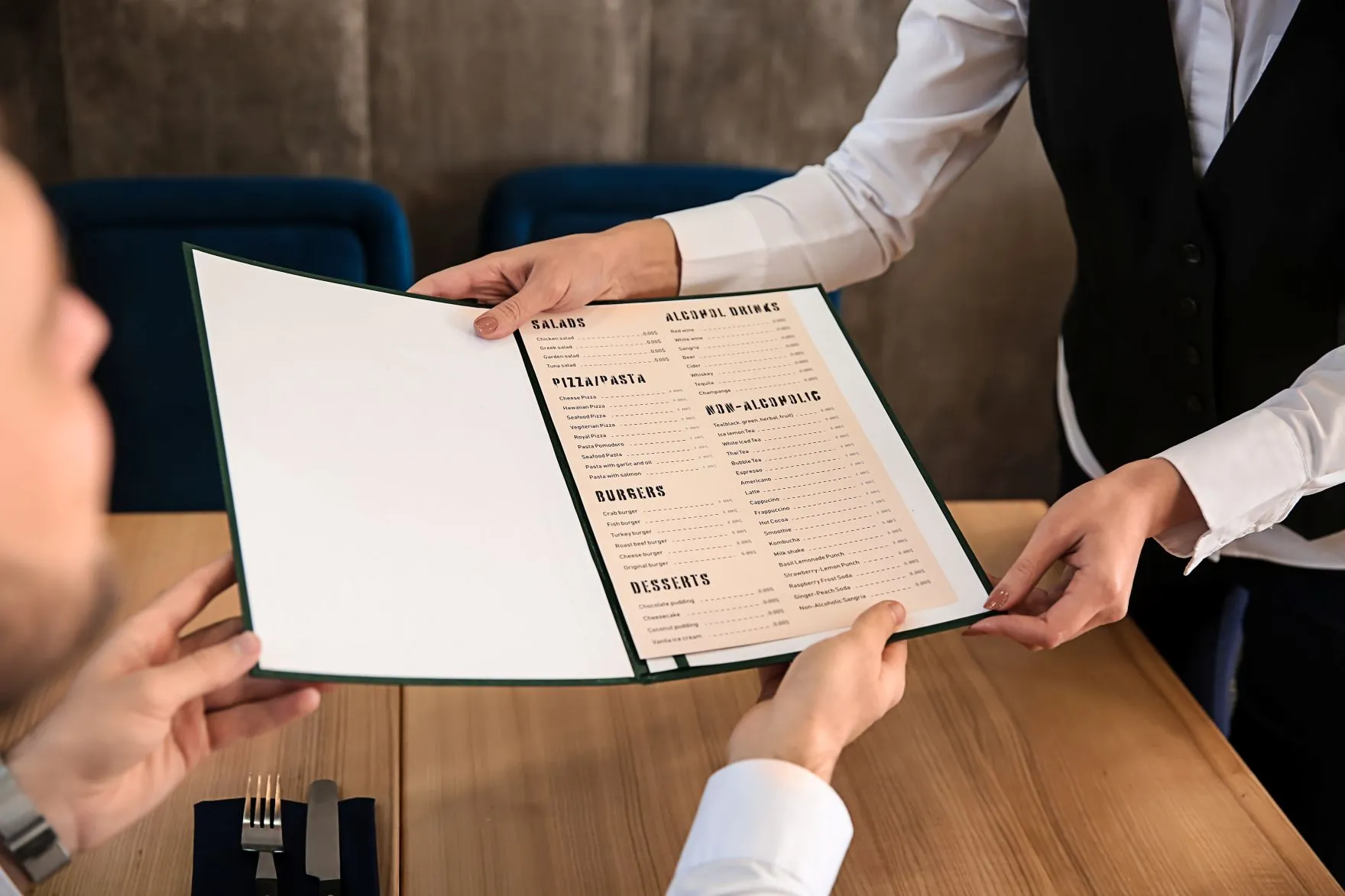
Dietary symbols make menus easier to scan, but they also lead to a few recurring assumptions. These are some of the most common misunderstandings diners bring to the table when they rely on labels alone.
Gluten-free automatically means lower in carbs or calories. In reality, gluten-free pasta, bread, and desserts can still rely on refined starches and added sugars. The label removes gluten, not richness or portion size.
Vegan food lacks flavor. Many kitchens build depth using herbs, spices, acidity, and technique rather than dairy or meat. When done well, a VG dish can feel just as tasty without leaning on animal-based ingredients.
Dairy-free and vegan mean the same thing. A dish can avoid milk and cheese while still including eggs, seafood, or meat. That distinction matters if you’re ordering around allergies, digestion, or personal boundaries.
Menu labels help narrow your options, but they don’t replace reading the description or asking a quick question when something isn’t clear.
What to Ask if You Have Dietary Restrictions
Menus can’t cover every detail. After all, they’re often designed to be short and direct. Thus, if you’re unsure, it’s ideal to ask questions so the restaurant staff can better cater to your dietary restrictions.
You can ask:
Are gluten-free items prepared on shared equipment?
Do dairy-free sauces or dressings include butter, cream, or milk-based substitutes?
How does the kitchen handle cross-contact during busy service periods?
Can menu items be adjusted without changing the dish entirely?
You can ask these questions before finalizing any orders. That way, the kitchen staff have time to flag your concerns or suggest small adjustments before they can cook anything for you. And don’t worry, because most restaurants are used to these requests. Clear questions help staff respond accurately and make it more likely that what arrives at the table matches what you intended to order.
How Menu Labels Shape the Overall Dining Experience
Dietary transparency affects how relaxed you feel during a meal. When menus clearly mark GF, DF, and VG options, you spend less time worrying and more time enjoying the company at the table.
As a diner, you’re also more likely to return to a place that respects dietary needs and communicates them clearly. For restaurant owners, that trust supports repeat visits, boosts customers’ restaurant experience, and encourages positive word of mouth.
Takeaway
GF, DF, and VG labels exist to help you make informed decisions regarding your meal choices. When you understand what those symbols mean and how kitchens use them, you gain more control over how food fits your health. Reading descriptions, asking clear questions, and trusting your preferences lead to meals that feel satisfying from the first bite to the last.