

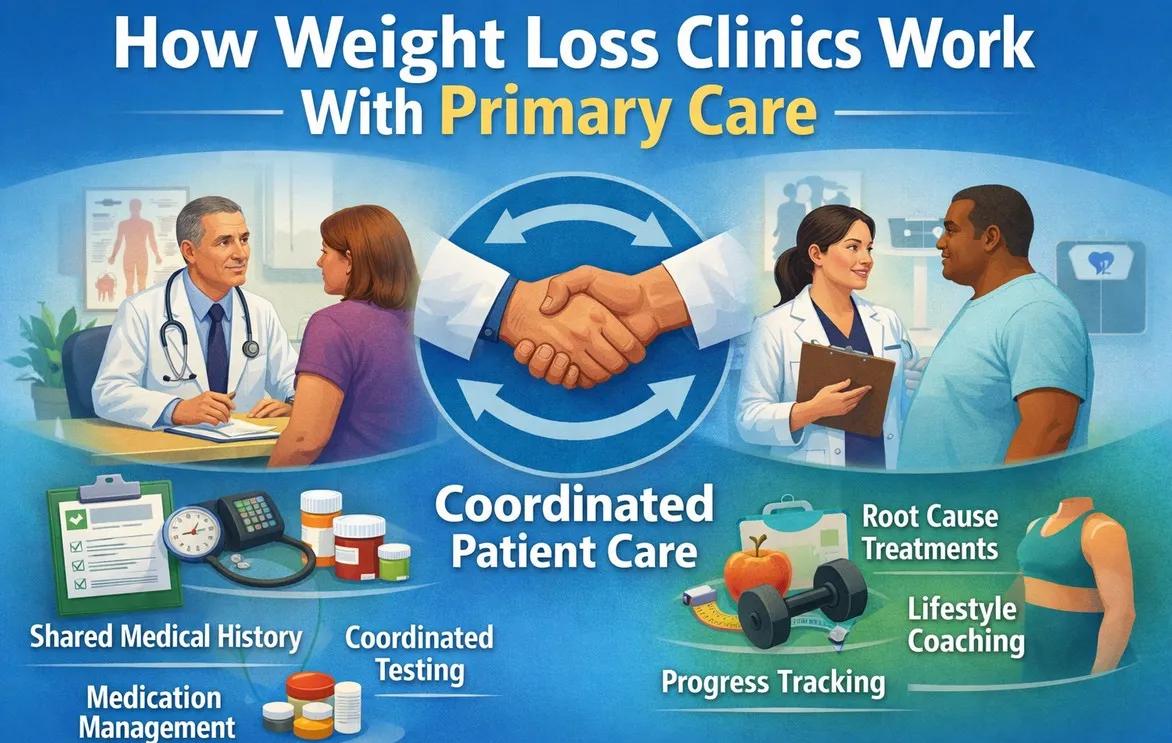
How Weight Loss Clinics Work With Primary Care
Modern weight loss clinic do not operate in isolation. The most effective and responsible programs are built on close collaboration with primary care providers, creating a coordinated model that focuses on patient safety, long-term health, and sustainable results. This partnership ensures that weight management is treated not as a standalone service, but as part of comprehensive medical care.
Shared Medical Oversight From the Start
Primary care physicians often serve as the first point of contact for patients struggling with weight-related conditions such as hypertension, diabetes, sleep apnea, or hormonal imbalances. When a patient is referred to a weight loss clinic, their primary care provider shares medical history, current diagnoses, medications, and recent lab results. This exchange helps the weight loss team design a plan that aligns with the patient’s overall health profile rather than working around it.
Coordinated Testing and Monitoring
Weight loss clinics frequently rely on lab work, metabolic panels, and cardiovascular screenings that are already familiar to primary care practices. Instead of duplicating efforts, clinics coordinate testing schedules and share results. Primary care providers continue monitoring chronic conditions while the weight loss clinic tracks progress related to body composition, metabolic changes, and medication response. This dual oversight reduces risks and improves clinical accuracy.
Medication Safety and Management
Prescription weight loss medications and hormone therapies require careful supervision, especially for patients already taking medications for blood pressure, diabetes, or thyroid conditions. Collaboration allows wellness and medical care providers to confirm that new treatments do not interfere with existing prescriptions. Adjustments can be made quickly if weight loss improves or alters underlying conditions, ensuring continuity of care without gaps or contradictions.
Addressing the Root Causes of Weight Gain
Primary care plays a key role in identifying medical contributors to weight gain, including insulin resistance, hormonal disorders, or inflammatory conditions. Weight loss clinics then focus on targeted interventions such as medical nutrition therapy, lifestyle coaching, and medically supervised treatments. Together, both sides address symptoms and root causes, rather than treating weight as an isolated issue.
Long-Term Care Beyond the Program
Successful weight management does not end when a patient reaches a goal number on the scale. Primary care providers help maintain long-term results by continuing routine checkups, preventive screenings, and chronic disease management. Weight loss clinics often transition patients back to primary care with clear maintenance plans, progress summaries, and follow-up recommendations, supporting lasting health rather than short-term success.
A Team-Based Model Patients Can Trust
Collaboration between weight loss clinics and primary care creates a unified care experience. Patients benefit from consistent medical guidance, clear communication between providers, and treatment plans that reflect their full health picture. This team-based approach improves safety, boosts patient confidence, and delivers outcomes that are both measurable and sustainable.
When weight loss clinics and primary care work together, patients receive more than a program—they receive coordinated medical care designed to support their health for years to come.