

Natural Red Food Coloring: A Vital Shade in the World of Natural Food Colors
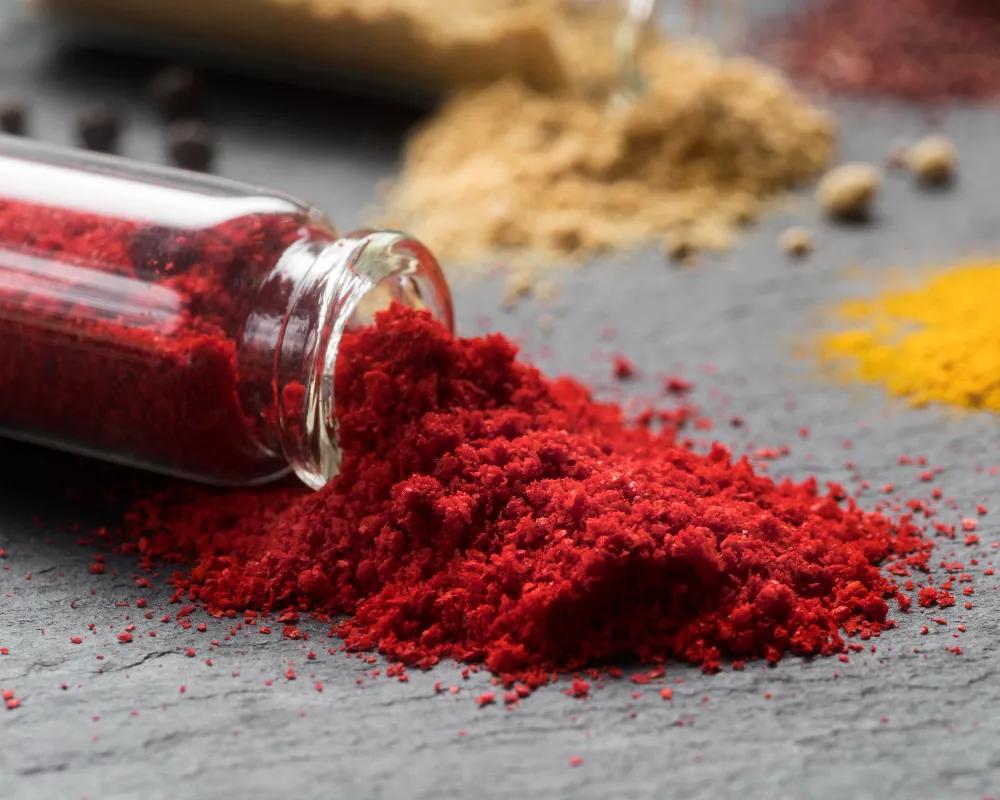
Image source: freepik
Color is one of the first things we notice about food. It shapes expectations, influences appetite, and often determines whether a product looks fresh and appealing. As consumers move away from artificial additives, natural food colors have become an essential part of modern food formulation. Among them, natural red food coloring plays a crucial role, adding warmth and vibrancy to a wide range of food and beverage products.
What Are Natural Food Colors?
Natural food colors are pigments derived from plant, mineral, or microbial sources. Unlike synthetic dyes, they come from ingredients found in nature and are often associated with cleaner labels and greater consumer trust. Common natural food colors include yellow from turmeric, orange from annatto, blue from spirulina, and red from fruits and vegetables.
The growing preference for natural food colors is driven by health awareness, regulatory changes, and demand for transparency in food ingredients.
Understanding Natural Red Food Coloring
Natural red food coloring is sourced from a variety of natural ingredients, each offering different shades and performance characteristics. Popular sources include:
Beetroot: Provides deep red to pink hues and is widely used in beverages and dairy products
Paprika: Delivers orange-red tones suitable for savory foods and snacks
Carmine (cochineal): A highly stable red color derived from insects, often used where permitted
Red fruits and vegetables: Such as strawberries, cherries, and radishes
These sources allow manufacturers to create red shades ranging from soft pink to deep crimson, depending on the application.
Why Natural Red Food Coloring Is So Widely Used
Red is one of the most emotionally impactful colors in food. It is commonly associated with sweetness, ripeness, and richness. Natural red food coloring is used extensively because it:
Enhances visual appeal without synthetic additives
Aligns with clean-label and plant-based trends
Can be tailored to specific food systems
Offers a wide range of shades and intensities
In many cases, natural red coloring also contributes subtle flavor notes or nutritional value, depending on the source.
Applications of Natural Red Food Coloring
Natural red food coloring is used across numerous food and beverage categories, including:
Beverages: Fruit drinks, smoothies, flavored waters, and functional beverages
Dairy & alternatives: Yogurts, ice creams, flavored milk, and plant-based products
Bakery & confectionery: Cakes, fillings, frostings, candies, and gummies
Snacks & sauces: Savory coatings, dips, and condiments
Its versatility makes it a cornerstone of natural food color systems.
Challenges in Using Natural Red Food Colors
Despite their benefits, natural red food colors come with certain challenges:
Heat sensitivity: Some red pigments may fade during high-temperature processing
pH sensitivity: Color intensity can change in acidic or alkaline environments
Consistency: Natural variations in raw materials can affect shade uniformity
Advances in formulation and blending techniques, however, have significantly improved the performance and reliability of natural red food coloring.
Natural Red vs. Artificial Red Colors
Artificial red dyes have traditionally been favored for their bright appearance and stability. However, increasing consumer concern has shifted preference toward natural food colors. While natural reds may require more careful formulation, they offer a more transparent and consumer-friendly alternative that aligns with modern food trends.
The Future of Natural Food Colors
As clean-label products continue to gain traction, natural food colors will play an even greater role in food innovation. Research into new botanical sources, fermentation-based pigments, and improved stabilization methods is expanding the possibilities for natural red food coloring.
Food manufacturers are increasingly investing in natural solutions that balance appearance, performance, and consumer expectations.
Final Thoughts
Natural food colors are reshaping how food looks and how it is perceived. Natural red food coloring, with its wide range of shades and applications, remains one of the most important components of this shift. As technology and consumer awareness continue to evolve, natural red hues will remain a key part of visually appealing, clean-label food products.