

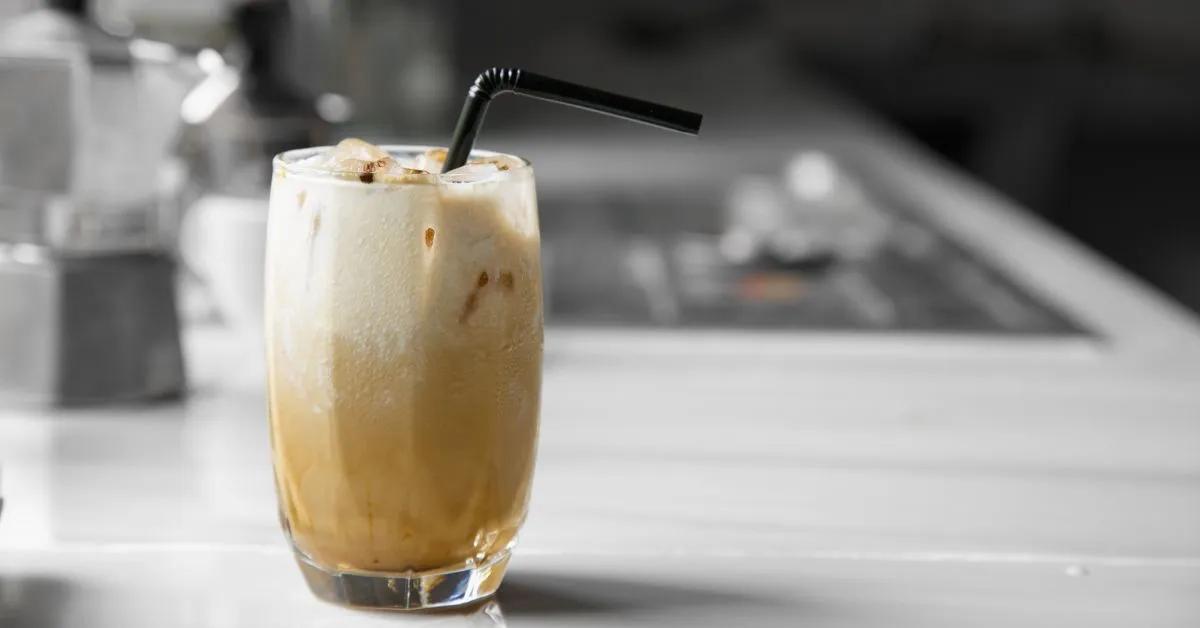
A great cold coffee drink can turn an ordinary morning or afternoon into a small ritual worth anticipating. You don’t need professional equipment or complicated techniques to create something that tastes polished and refreshing. The best results come from understanding how coffee, temperature, dilution, and complementary ingredients work together. With a thoughtful approach, anyone can make café-quality cold coffee while enjoying the comfort and creativity of preparing it at home. What makes a great cold coffee drink at home? Let’s sip on the details below.
Start With Coffee That Brings Real Character
Coffee forms the foundation of every cold coffee drink, so its quality deserves serious attention. Fresh beans generally offer more vibrant aromas and distinctive flavors than coffee that has spent months sitting in an open package. Medium and dark roasts often work particularly well because their chocolate, caramel, toasted nut, and rich fruit notes remain noticeable after chilling. Choosing coffee you genuinely enjoy makes every other decision about the drink much easier.
Grinding also affects how much flavor you extract from the beans during brewing. A coarse grind suits cold brew because the coffee spends several hours in contact with water, while finer grounds work better for faster methods. Grinding whole beans shortly before brewing preserves aromatic compounds that contribute complexity to the finished cup. A consistent grind also promotes even extraction and reduces the chance of harsh or unexpectedly weak flavors.
Choose a Brewing Method That Matches Your Taste
Cold brew and iced coffee may look similar in a glass, but each method creates noticeably different experiences. Traditional iced coffee starts with hot-brewed coffee that you cool or pour over ice, which often preserves brighter acidity and recognizable roast characteristics. Cold brew relies on extended extraction with cool water, producing a smoother drink with softer acidity and a naturally mellow profile. Your ideal method depends on whether you prefer lively coffee flavors or a rounder and gentler finish.
Cold brew also rewards patience because extraction usually takes many hours rather than minutes. You can prepare a concentrated batch in advance and keep it refrigerated for convenient drinks throughout the week. Hot-brewed iced coffee works better when you want immediate results or enjoy experimenting with different beans from day to day. Learning both methods gives you more control over your home coffee routine and keeps that routine interesting.
Get the Coffee-To-Water Balance Right
Strength matters more in cold coffee because melting ice gradually changes the drink as you sip it. Coffee that tastes perfectly balanced while hot can become thin and forgettable once ice adds extra water. Brewing slightly stronger coffee preserves its personality from the first sip to the last. Cold brew concentrate offers even greater control because you can dilute each serving according to your preference.
Water quality also has a surprisingly large influence on coffee flavor. Heavily chlorinated or mineral-heavy water can introduce unwanted tastes that become especially noticeable in a simple cold drink. Clean, filtered water gives the beans a better opportunity to express their natural characteristics. Paying attention to water may seem like a minor adjustment, but it can significantly improve consistency.
Use Ice Without Sacrificing Flavor
Ice does more than make coffee cold because it also determines how quickly dilution changes the drink. Large cubes melt more slowly than small cubes or crushed ice, which maintains a stronger flavor over time. Plenty of ice can actually work better than a few cubes because a well-chilled drink slows further melting. Starting with already chilled coffee also prevents unnecessary dilution.
Coffee ice cubes offer another practical solution when you enjoy sipping your drink slowly. Simply freeze leftover brewed coffee in an ice tray and use the cubes in future drinks. As those cubes melt, they add coffee rather than plain water to the glass. This simple habit also gives leftover coffee a useful second life instead of sending it down the drain.
Understand Sweetness in a Cold Drink
Sweetness can soften bitterness and highlight chocolate, caramel, fruit, or spice notes, but temperature changes how sweeteners behave. Understanding why sweeteners dissolve differently in cold brew coffee helps you avoid gritty sugar collecting at the bottom of the glass. Granulated sugar dissolves more slowly in cold liquid because lower temperatures reduce the speed of dissolution. Liquid sweeteners therefore provide a simple way to distribute sweetness evenly without excessive stirring.
Simple syrup only requires sugar and water, and you can prepare a small batch for several drinks. Maple syrup, honey, flavored syrup, and other liquid options add sweetness and another layer of character. Start with a modest amount because excessive sweetness can quickly overwhelm the coffee itself. The goal involves supporting the coffee rather than disguising it.
Keep Flavor Enhancements Purposeful
Creative ingredients can make homemade cold coffee exciting, but restraint usually produces a more refined result. Vanilla, cocoa, cinnamon, caramel, and nut-inspired flavors pair naturally with many coffee roasts. Seasonal ingredients can also keep your routine fresh without requiring you to completely change your brewing method. Think of each addition as an accent that should enhance the coffee underneath it.
A few reliable additions can help you explore different combinations without overcrowding your kitchen. Keeping versatile ingredients nearby makes experimentation easy while still encouraging thoughtful choices. Consider starting with the following ideas:
Cinnamon for gentle warmth without extra sweetness.
Vanilla extract or syrup for a smooth aromatic finish.
Cocoa for deeper chocolate notes.
Maple syrup for distinctive, rounded sweetness.
A small pinch of salt to soften noticeable bitterness.
Create Better Cold Coffee One Cup at a Time
A great cold coffee drink at home comes from thoughtful choices rather than complicated techniques. Quality beans, suitable brewing methods, controlled dilution, balanced sweetness, and complementary additions all contribute to a drink that feels complete. Once you understand these fundamentals, you can confidently adjust recipes according to your taste and the ingredients you have available. Each experiment brings you closer to a dependable cold coffee that genuinely rivals your favorite café order.
The most satisfying recipe ultimately reflects your own preferences rather than somebody else’s definition of perfection. Explore different beans, adjust brewing strength, and refine your favorite additions until every element feels balanced. Keep the process enjoyable and treat small improvements as part of the experience rather than chasing unnecessary complexity. A carefully prepared cold coffee proves that an uplifting everyday pleasure can begin right in your own kitchen.