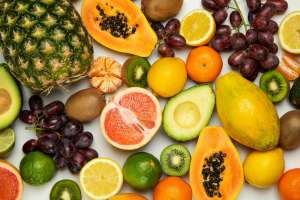
Introduction
Being addicted to substances can reduce a person to a shell of their former self. It can strip away your cognitive abilities, leaving you stranded and incomplete. One of the most painful aspects of addiction is the awareness that you are slowly poisoning yourself, yet feeling powerless to stop.
Think of addiction as riding a shopping cart downhill with no way to stop it. That is why those who overcome this phase deserve recognition and respect. Now that you have come out of the trenches, you are finally ready to focus on healing.
In this article, we’ll examine the recovery phase more closely, specifically the types of foods you can eat to support your body and mind during this crucial time.
Foods To Eat While Being In The Addiction Recovery Phase
At Ascendant, a leading detox center in NYC, nutrition is essential to the recovery process. After prolonged substance use, the body is often depleted and in need of targeted nourishment to support healing, physically, emotionally, and mentally.
Eating well does not mean eating more—it means choosing foods that restore balance, boost energy, and promote long-term wellness. Recovery-focused nutrition helps repair damage, stabilize mood, and improve overall resilience.
Below is a list of nutrient-rich foods commonly recommended during the recovery phase. This is not a ranked list, so explore what works best for your body and preferences.
Nutritional needs can vary significantly from person to person. It is always best to consult with a qualified healthcare provider or nutritionist as part of your individualized recovery plan.
Whole Grains
Substance addiction can severely affect a person’s cognitive functioning. Those who use substances heavily may experience cognitive decline—some effects can be long-lasting, even permanent. However, others can be managed or improved with proper nutrition.
Whole grains are an excellent source of vitamins, protein, and antioxidants. They also promote fat metabolism and improve sleep quality, helping the body rest and recover more effectively.
Berries
Berries are often considered a complete food, so they frequently appear in dietitians’ recommended meal plans. They are especially beneficial for individuals recovering from alcohol addiction. The vitamins and minerals in berries support both skin and gut health.
Additionally, berries are rich in antioxidants and anti-inflammatory compounds, which help rejuvenate skin, improve immunity, and promote overall wellness.
Bananas (Potassium)
Potassium is a vital mineral for anyone in addiction recovery. While it is found in foods like papaya and oranges, bananas are a vibrant and convenient source.
Bananas can help regulate blood pressure, support the nervous system, and reduce cravings, making them an essential daily food during recovery.
Lean Poultry & Fish
Many people with substance use disorders are not addicted to one substance alone. Polydrug users often become addicted to the emotional high associated with dopamine release.
Eating lean meats and fish supports dopamine regulation, helping to stabilize mood and reduce urges—an essential step in recovery.
Legumes & Beans
Legumes and beans are excellent sources of plant-based nutrition, and their benefits are even more pronounced for individuals recovering from substance abuse.
Packed with folate, iron, Vitamin B, fiber, and protein, these foods support nerve health and improve mental clarity, key components in sustained recovery.
Leafy Greens
We have all heard how critical green vegetables are since childhood, and for good reason. Leafy greens improve overall health and support addiction recovery.
They are rich in fiber and help detoxify the body. Generally, the more bitter the greens taste, the better they are for your health.
Cruciferous Vegetables
Cruciferous vegetables (like broccoli, cauliflower, and Brussels sprouts) are beneficial during recovery. They are known for their detoxifying properties and are often linked to cancer prevention.
Just 100 grams can aid digestion, regulate bowel movements, and help clear toxins. These vegetables also offer high amounts of folic acid, calcium, and magnesium, making them a recovery staple.
Nuts and Seeds
Nuts and seeds are packed with minerals that support brain function and improve digestion. Adding flaxseeds and walnuts to one's diet may especially benefit individuals recovering from hallucinogen use.
Other great options include chia seeds, cashews, almonds, and sunflower seeds. These nutrient-dense snacks help make your diet more balanced and healing-focused.
Tofu
Substance abuse often dulls the senses, including taste and smell, causing many people to lose their appetite. While mild in flavor, tofu is nutritionally powerful and easy to digest.
It is rich in protein and healthy fats, which help the body regulate weight and restore nutritional balance during recovery.
Eggs
Substance use takes a toll on both mind and body, and eggs are one of the best whole foods to help rebuild what was lost. They are a top source of high-quality protein, supporting muscle repair and nutrient restoration.
Eggs are also great for eye health, memory, and mood. Thanks to their vitamin and mineral profile, they may even act as a natural antidepressant.
The End
Proper nutrition is crucial for general health—it’s critical for addiction recovery. A healthy body supports a healthy mind, strengthening one's ability to stay on track.
Do not lose sight of your recovery goals. Stick to a supportive, nutrient-rich diet by incorporating the foods listed above to improve your physical and mental well-being as you heal.