

5 Signs You Need an Emergency Dentist in Clairemont (And What to Do Before Your Visit)
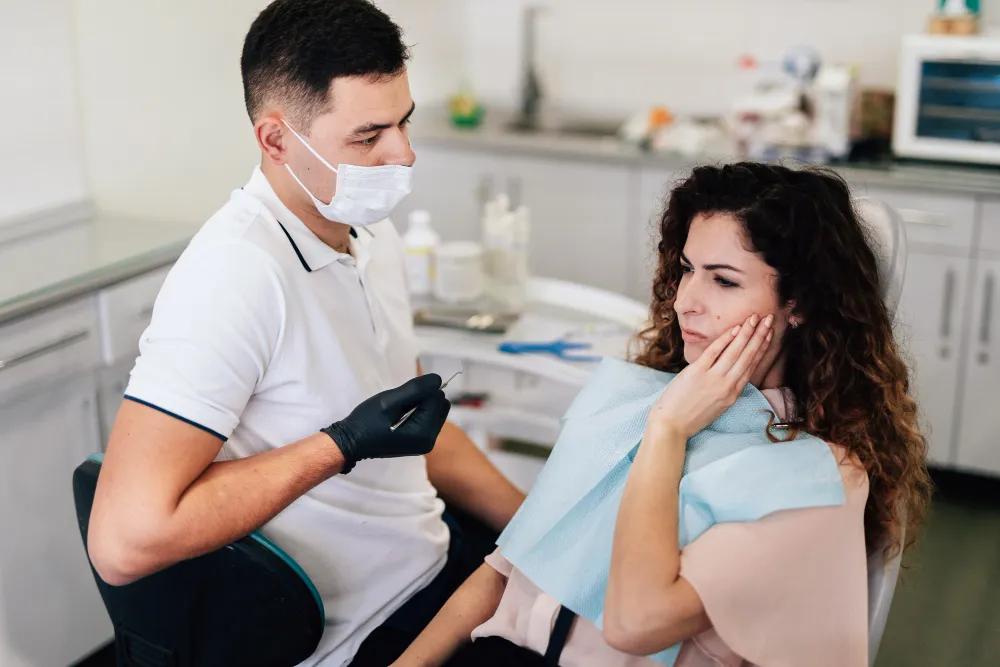
Image source: freepik
1. Severe Toothache
A toothache that just won't quit is a pretty clear sign something's wrong. We're not talking about a little twinge when you eat something cold; this is a deep, throbbing pain that can keep you up at night. It might feel like it's coming from one tooth, or it could spread to your jaw or even your ear. Ignoring a severe toothache can lead to bigger problems down the road.
What could be causing this kind of pain?
A deep cavity that's reached the nerve.
An infection or abscess at the root of your tooth.
A cracked or broken tooth that exposes the sensitive inner parts.
Gum disease that's causing inflammation and pain around the tooth.
If you're dealing with this kind of intense pain, it's time to think about an emergency dentist in Clairemont. Waiting it out usually just makes things worse, and the pain can become unbearable.
When you're in serious pain, the thought of going to the dentist might not be your first choice, but it's important to get it checked out. An emergency visit can help stop the pain and prevent further damage to your tooth and surrounding areas.
Before you head to Bayside Dentistry, try to rinse your mouth with warm salt water. This can help clean the area and reduce swelling a bit. You can also take an over-the-counter pain reliever if you're able to. Just try to stay calm; help is available.
2. Swollen Face
A swollen face, especially if it's localized around your jaw or cheek, can be a sign of a serious dental issue. This swelling often indicates an infection that has spread from a tooth or the gums. It might start small, but it can grow quickly and become quite uncomfortable, sometimes even making it hard to swallow or breathe. If you notice your face puffing up, don't ignore it.
This kind of swelling is a clear signal that you need to see an emergency dentist in Clairemont right away.
Here's what might be happening and what you should do:
Abscess Formation: An abscess is a pocket of pus caused by a bacterial infection. It can form at the root of a tooth or in the gums. The swelling is your body's reaction to this infection.
Gum Disease Complication: Severe gum disease can sometimes lead to swelling and pain, especially if an infection gets deeper into the tissues.
Impacted Wisdom Teeth: If your wisdom teeth are trying to come in but don't have enough space, they can become impacted and infected, leading to facial swelling.
When you experience facial swelling, it's important to act fast. Contacting an emergency dentist in Clairemont like Bayside Dentistry is your best bet. They can figure out what's causing the swelling and start treatment to stop the infection from spreading.
While waiting for your appointment, try to keep the area clean. You can gently rinse your mouth with warm salt water. This might help reduce some of the swelling and discomfort. Avoid putting any pressure on the swollen area and try to rest as much as possible.
3. Knocked-Out Tooth
Losing a tooth unexpectedly can be really scary. Whether it's from a sports injury, a fall, or an accident, a knocked-out tooth is a dental emergency that needs fast attention. The sooner you get to an emergency dentist clairemont, the better the chances of saving the tooth.
If a tooth gets completely knocked out, try to stay calm. Here's what you should do right away:
Find the tooth. Carefully pick it up by the crown (the part you normally see), not the root. If it's dirty, rinse it gently with cool water, but don't scrub it or use soap.
Try to put it back in the socket. If it fits easily, bite down gently on some gauze or a clean cloth to keep it in place. If you can't get it back in, don't force it.
Store it properly. If you can't reinsert it, place the tooth in a small container of milk or a special tooth-preserving solution. If neither is available, saliva is a last resort – put it in your mouth (carefully, so you don't swallow it!).
Get to the dentist immediately. Time is super important here. Call Bayside Dentistry or your emergency dentist clairemont as soon as possible.
A knocked-out tooth is a race against time. The tooth needs to stay moist and be reimplanted quickly to give it the best shot at survival. Don't delay seeking professional help.
Getting to an emergency dentist in Clairemont quickly can make all the difference in whether that tooth can be saved and reattached. They have the tools and knowledge to handle this kind of urgent situation.
4. Loose Tooth
A loose tooth can be really unsettling, whether it's an adult tooth or a child's. Sometimes, it's just a sign of gum disease or an injury, but other times, it can mean something more serious is going on. If you notice a tooth wiggling more than it should, especially if there's no obvious cause like a recent bump, it's time to get it checked out. Don't just wait and see if it gets worse; that could lead to losing the tooth entirely.
Here's what you should do if you have a loose tooth:
Try to keep it clean. Gently brush around the tooth and rinse your mouth with warm salt water. This can help reduce inflammation and prevent infection.
Avoid putting pressure on it. Don't chew on that side of your mouth, and try not to push or wiggle the tooth with your tongue or fingers.
Contact an emergency dentist. For persistent or concerning looseness, especially if it's painful or accompanied by bleeding, you need to see a professional.
A loose tooth isn't always a sign of immediate danger, but it's your body's way of telling you something isn't right. Ignoring it could turn a manageable problem into a much bigger one, potentially leading to tooth loss or more complex dental work down the line. It's always better to be safe than sorry when it comes to your smile.
If you're in the Clairemont area and dealing with a loose tooth that's causing you worry, reaching out to an emergency dentist is the smart move. Bayside Dentistry can help assess the situation and provide the care you need to save your tooth and your smile.
5. Broken Tooth
A broken tooth can range from a small chip to a significant fracture. It might happen from a fall, a sports injury, or even biting down on something hard. Sometimes, you might not even feel immediate pain, but that doesn't mean it's not serious. Leaving a broken tooth untreated can lead to infection, further damage, and more complex dental problems down the line.
If you've broken a tooth, here's what you should do:
Rinse your mouth: Gently rinse with warm water to clean the area.
Control bleeding: If there's bleeding, apply gentle pressure with a clean gauze pad.
Apply a cold compress: To reduce swelling and pain, hold a cold pack or a bag of frozen peas against your cheek.
Save the tooth fragment: If you can find the broken piece, put it in a small container with milk or saliva. This might be useful for the dentist.
It's easy to think a small chip isn't a big deal, but even minor breaks can expose the inner layers of your tooth. This makes it more vulnerable to bacteria and decay. Don't wait to see if it gets worse.
For any significant tooth fracture, it's time to contact an emergency dentist in Clairemont. Bayside Dentistry can help assess the damage and provide prompt treatment to save your tooth and prevent further issues. Getting seen quickly is key, so don't delay in seeking professional help.
Don't Wait for Dental Pain to Get Worse
Dealing with a dental emergency is never fun, but knowing when to seek immediate help can make a big difference. If you're experiencing severe pain, bleeding, or have a knocked-out tooth, don't put off calling an emergency dentist in Clairemont. Acting fast can help save your tooth and prevent further complications. Before you head to the office, try to gather any insurance information you have and note down your symptoms. This will help the dental team help you more efficiently. Remember, taking care of your teeth is important, and sometimes that means getting help right away.