

A Complete Guide to Hair Loss in Women: Causes, Treatments and Non-Surgical Solutions
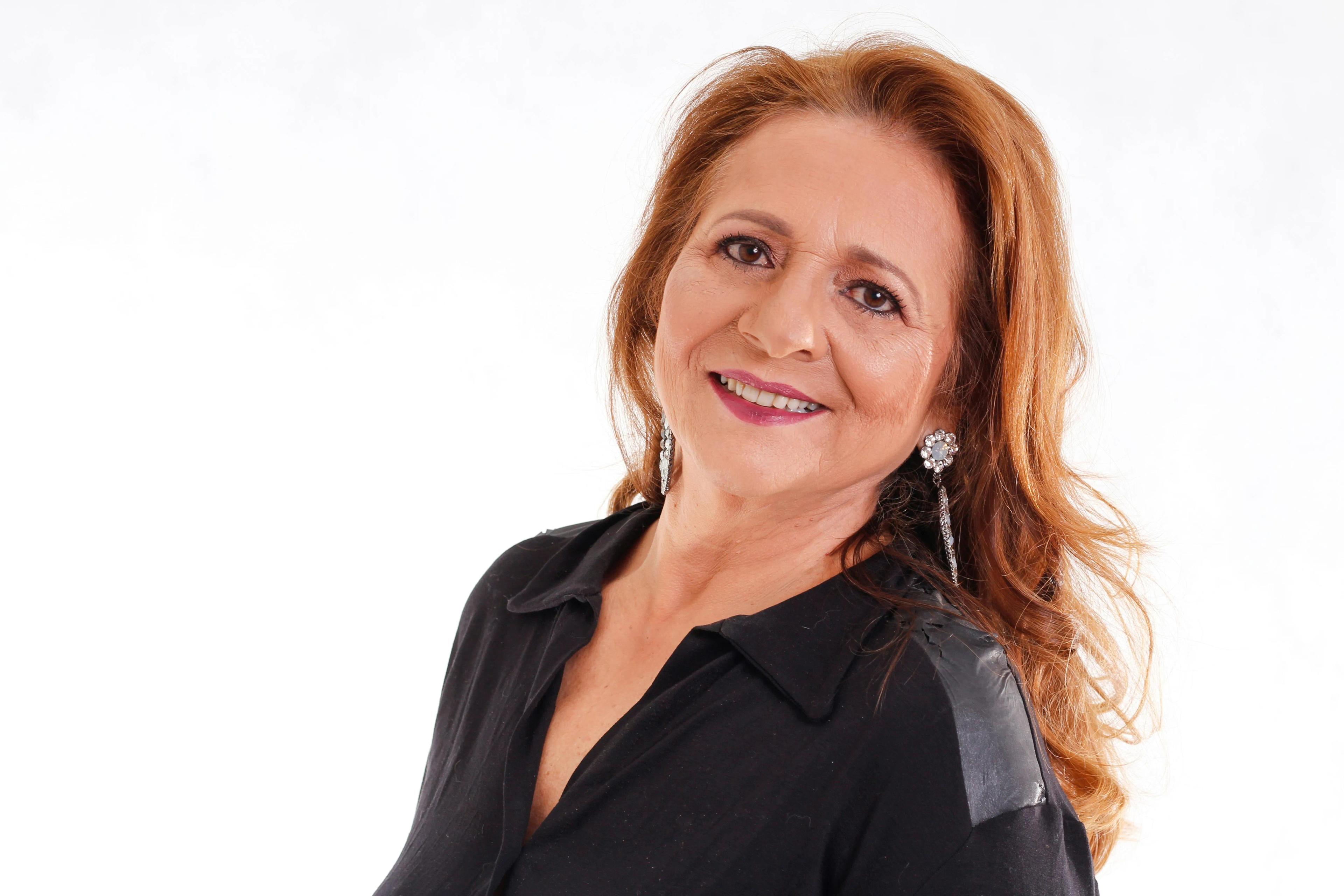
Hair loss in women is much more prevalent than most people realize and has implications for confidence and personal habits. Recognizing the causes and choices available out there for women helps you make positive choices about hair and self-image.
Hair loss or thinning can occur at various points within a woman’s life for various reasons that aren’t within her control. It’s not only linked to health but also to genetics, which is why understanding the possible reasons, solutions and alternatives can be quite comforting for a lot of women, as awareness of women’s hair care is also increasing now.
Medical and Lifestyle Interventions Often Employed for Female Hair Loss
Medical and lifestyle-based women’s hair loss solutions often focus on supporting scalp health and encouraging regrowth where possible. There are many different options in these categories that a patient can turn to for help. Some of these options will be related to prescription medications. Others will involve changes to a patient's diet. Some options will be aimed at helping the patient manage any stress that is being experienced
According to some women, these treatments have helped slow hair loss or improve hair quality, even if they did not fully restore previous density. There might also be women who feel that having medical treatments combined with other techniques would be most gratifying. A holistic approach to hair-loss solutions for Women enables women to consider multiple facets.
Additionally, lifestyle factors, for example, sleeping, healthy eating habits and regular activities, also play their own crucial role. What people do on a daily basis, or even changes for a short while, can work to promote the condition of the scalp, in addition to other treatments.
Non-Surgical Alternatives for Thinning Hair and Scalp Issues
In situations where treatments for regrowth are insufficient on their own, there are valuable non-invasive alternatives. There are non-surgical hair replacement systems, custom hairpieces and advanced cosmetic alternatives designed to blend seamlessly with existing hair, offering an instant cosmetic solution that doesn't require surgical intervention.
For women seeking hair replacement without surgery in the Boston area, specialty studios like PK Walsh offer custom solutions for both medical and cosmetic hair loss issues, using techniques that emphasize comfort and natural looks.
By choosing a non-surgical hair replacement specialist, one can be assured that their hair replacement system is set up with a density, fit and hair match specifically made for them. This helps a woman feel confident in her hair replacement system rather than feeling as though it holds her back.
The Main Reasons for Hair Loss in Women
In women, there is rarely only one reason for losing their hair. For instance, changes in levels of female hormones, stress, dietary deficiencies and inherited traits may occur simultaneously. Unlike situations in which women may experience rapid hair loss following an illness or significant life changes, slow shedding may progress so gradually that it is not easily identifiable when it begins.
Female-pattern baldness tends to affect the crown or top of the head, rather than the hairline, making the difference subtle yet consistent. Some medical reasons, such as an imbalanced thyroid or autoimmune disorders, can also cause hair loss, underscoring the need to understand the underlying causes. It is the most important part of finding effective Women’s hair loss solutions that suit the individual.
In many instances, being able to pick up on patterns early gives women the opportunity to respond to the situation proactively rather than reactively. Noticing patterns in texture, volume, or shedding patterns can offer important insight in discussions with professionals, such as a non-surgical hair replacement specialist. It helps to put hair loss in the context of a health-oriented concern rather than a purely cosmetic issue.
How Hormonal Changes and Life Stages Affect Hair Growth
Hormones have a crucial role in hair growth. Consequently, life events have been associated with changes in hair growth due to hormonal influences. These events include pregnancy, puerperium, menopause and perimenopause.
During these times, changes in estrogen and other hormone levels can result in shorter growth cycles or increased shedding. Some of these changes may be handled on a temporary basis; however, others can become more permanent, leading women to seek ongoing solutions rather than temporarily addressing the problem. This relationship is important for normalizing the experience and encouraging women to find solutions that align with the phase of life rather than failing because of hair loss.
Education about these transitions can decrease anxiety and confusion. When women understand that the changes that hormones make to the way the hair looks and behaves can and should affect their ability to handle the hair with a different mindset, it can make it easier to handle.
Managing Expectations and Long-Term Hair Confidence Support
Indeed, long-term confidence is achieved through realistic expectations and good care. The most effective women’s hair loss solutions come from selecting methods that understand what can and cannot be accomplished. Whether focusing on medical solutions, cosmetic improvements, or Non-Surgical Hair Replacement, the key to satisfaction is often found in comfort and confidence rather than perfection.
Ongoing treatment, upkeep and communication are all part of maintaining the success that is achieved. A reputable non-surgical hair replacement professional could not only guide women in their approach but also help them adapt without stress as needs evolve over time. When hair loss is attended to with care and consultation, it ceases to be the defining characteristic.
The sense of confidence becomes stronger for women who feel informed, supported, and not rushed into a conclusion. Taking a step back to reassess goals and desires will help ensure that the solutions retain a sense of empowerment. In this way, hair confidence can build in sync with that sense of self-acceptance.