


If you’re comparing low-testosterone treatment in Cape Coral, the first number you’ll meet is 300 ng/dL (typical adult-male total testosterone is roughly 300–1,000 ng/dL). The American Urological Association advises treating below that line only after two early-morning tests confirm the level, symptoms match, and reversible causes are explored (AUA guideline).
Quick Answer
Skip clinics that rush past 300. Choose one that repeats morning labs, aligns numbers with symptoms, hunts for reversible causes, explains fertility trade-offs, and hands you a written monitoring-and-cost plan before prescribing testosterone.
We compared six providers—each “best for” pellet convenience, fertility-aware plans, insurance depth, lifestyle focus, or hybrid visits—so you can jump straight to the option you want. Verify details with each clinic.
Low-T Options at a Glance
Below is our transparency snapshot: each number rates clarity of information, not medical quality. A low score means the details were hard to confirm.
Provider | Prescriber named | Diagnostic detail | Treatment detail | Cost clarity | Local access |
Contemporary Health Center | 5 | 3 | 2 | 5 | 4 |
Lee Health Urology & Endocrinology | 5 | 5 | 2 | 4 | 5 |
Fountain of Youth | 4 | 5 | 5 | 5 | 3 |
LifeSynergy Wellness | 4 | 3 | 2 | 2 | 5 |
Premier Wellness Florida | 3 | 3 | 4 | 1 | 5 |
Trinity HRT & Wellness | 5 | 4 | 2 | 1 | 4 |
No clinic aces every column, so pick the row that matches your priorities, then use the provider-specific questions we list next to fill any blanks.
1. Contemporary Health Center: Best for Physician-Led Pellet Therapy and Whole-Person Care
At https://contemporaryhealthcenter.com, the physician-led hormone program centers on tiny testosterone pellets that keep levels steady for roughly five to six months in men (about 22 weeks) and three to four months in women before a simple reinsertion is due.

Why It Fits This Category
Contemporary Health Center builds its hormone offering on physician expertise and pellet convenience. Founder Richard L. Bloy, MD, FACOG has served Southwest Florida since 1985, and many Cape Coral patients make the short drive to his Fort Myers or Naples offices.
Pellets are the headline act: tiny cylinders placed under the skin that deliver a steady dose (about 22 weeks for men and 12–13 weeks for women), ideal for patients who prefer a set-and-forget routine. The clinic combines pellet therapy with weight-management, peptide, IV, and sexual-health services.
What You Learn Before Booking
Male pellet insertion costs about $750; laboratory work is billed separately.
All hormone services are self-pay, and HSA or FSA funds are accepted.
Clinical studies show that a cluster of symptoms (decreased libido, reduced energy, and loss of physical endurance) is most strongly associated with testosterone levels below 300 ng/dL.
Staff provide a written schedule for repeat labs, blood-count checks, and prostate-marker monitoring, letting you budget time and money in advance.
“Known Cost” vs. “Ask About”
Known: $750 insertion fee; HSA/FSA eligibility.
Ask about: exact pellet brand (FDA-approved or compounded); full lab menu and pricing; reinsertion timing; dose-adjustment policy; non-pellet options if fertility matters; and which follow-ups can bill insurance.
Smart Questions to Bring
Which pellet product will you implant, and is it FDA-approved or compounded?
How often will labs, hematocrit, estradiol, and PSA be rechecked, and what does each draw cost?
What happens if my dose feels too high or too low before reinsertion is due?
If I plan to have children, what alternatives preserve sperm production?
Which visits (if any) can be submitted to insurance?
Getting these answers upfront prevents sticker shock and keeps long-term monitoring on track.
2. Lee Health Urology and Endocrinology: Best for Complex Diagnoses, Fertility, and Insurance
Why It Fits This Category
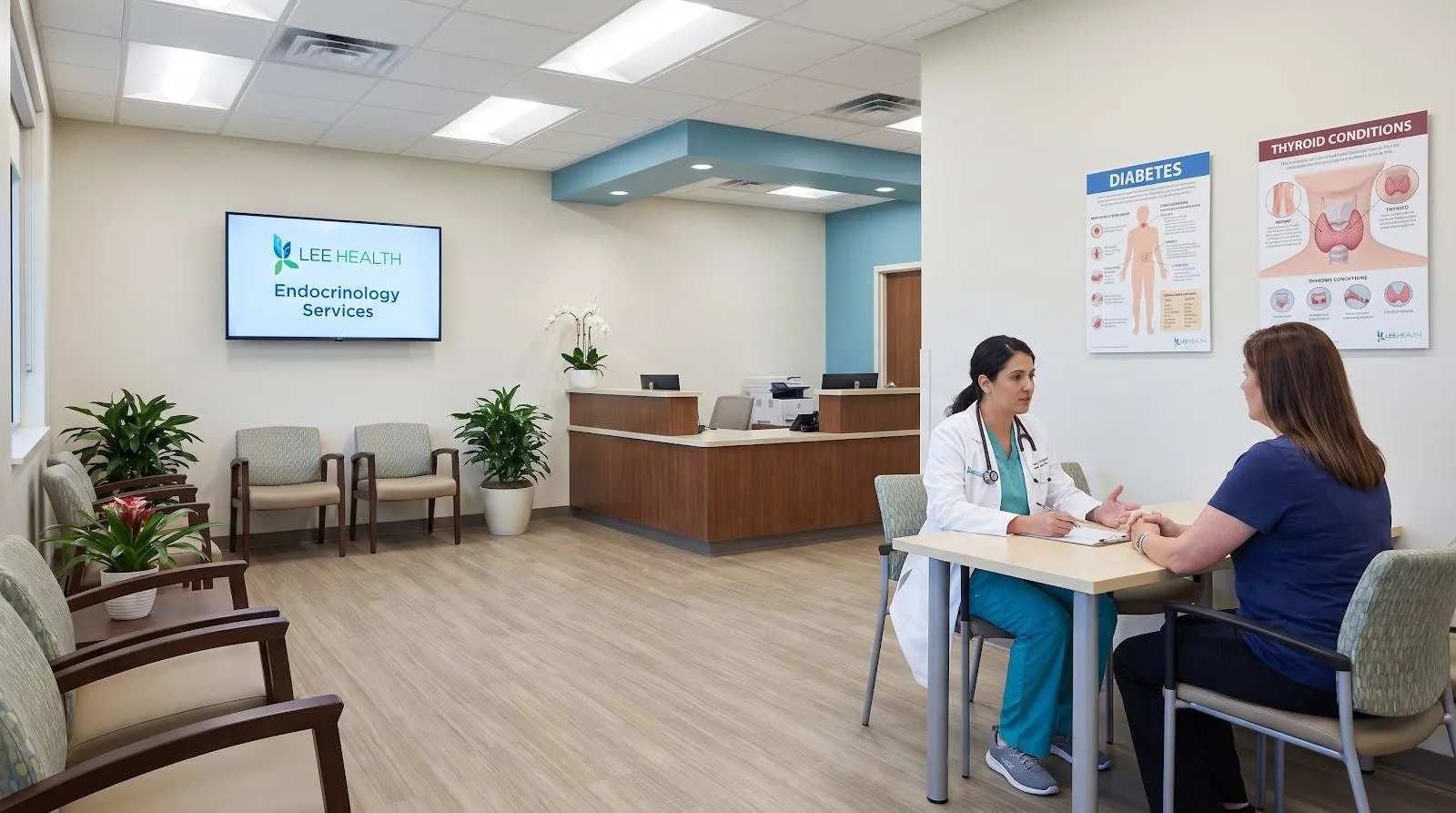
Lee Health offers separate urology and endocrinology teams within one Cape Coral network, giving you one chart, two specialties, and zero hand-off headaches. Urologist John Lee, MD trained in male infertility and sexual medicine, while board-certified endocrinologists tackle pituitary and metabolic disease. That depth matters when your total testosterone hovers near 300 ng/dL, symptoms don’t match the number, or MRI results could change everything.
Commercial insurance, Medicare, and Medicaid are widely accepted. Confirm where your specific policy lands before booking, since network participation can change. Hospital labs, imaging, and pharmacy integration streamline authorizations that cash-only wellness clinics often skip.
What You Learn Before Booking
Both specialties treat Low-T; schedulers ask targeted questions and may need a referral if your plan requires one.
Lee Health does not sell an “off-the-shelf” TRT package; format (injection, gel, or fertility-sparing approach) depends on diagnosis.
Price discovery takes phone work, but the upside is a plan driven by cause, not convenience.
Smart Questions to Bring
Should I start with urology or endocrinology based on my labs and fertility goals?
Which testosterone formats are on formulary, and who signs the prescription?
How many days will pass between repeat labs and first follow-up?
What imaging or specialty tests could add costs?
Does my plan need prior authorization, and who files it?
Tip: Bring past lab reports. A solid baseline can spare you duplicate tests and duplicate bills.
3. Fountain of Youth: Best for Injectable TRT and Fertility-Conscious Alternatives

Why It Fits This Category
Fountain of Youth sits across the bridge in Fort Myers and targets Cape Coral men who want to boost testosterone without blocking future fatherhood. Beyond standard injections, the public menu lists enclomiphene, hCG, and FSH—medications that stimulate your own hormone axis rather than simply replacing testosterone. A one-hour visit with a certified physician assistant starts the evaluation, and on-site phlebotomy sends you home with labs already running.
What You Learn Before Booking
Baseline blood work: $165
First-consult deposit: $100
Post-evaluation membership: $135–$207 per month (labs + follow-ups bundled) after an initial three-month program
Pellet option: $1,225 per male insertion, plus a lab check four weeks later
Prices feel steep, but at least they’re listed before your card leaves your wallet.
“Known Cost” vs. “Ask About”
Known: $165 labs, $100 deposit, $1,225 pellet fee, membership range.
Ask about: full three-month starter total, drug sourcing, supply costs, and whether fertility meds are standalone or add-ons.
Smart Questions to Bring
What is the total cost of the three-month starter program, including meds and supplies?
Which labs, syringe kits, and follow-ups are covered in each membership tier?
Can enclomiphene or hCG be used alone, or only on top of testosterone?
Will I receive a written fertility roadmap—semen analysis timing, sperm-bank options, contingency plan if counts drop?
Which pharmacy fills specialty drugs, and what are my out-of-pocket estimates?
Fountain of Youth earns its badge by putting fertility tools on the same shelf as testosterone. Ask pointed questions and you’ll leave knowing how each choice affects both your hormones and your future family plans.
4. LifeSynergy Wellness: Best for Sleep, Weight, and Primary-Care Context

Why It Fits This Category
LifeSynergy Wellness rejects a one-hormone-fixes-all mindset. Nurse practitioner Zahily Peraza-Higgins, MSN, APRN-C blends direct primary care, functional medicine, weight management, and hormone therapy, so fatigue is tackled from every angle: sleep, nutrition, stress, and, when labs agree, testosterone.
Her résumé spans critical care, pulmonary, and sleep medicine. That breadth matters, because the Endocrine Society notes that weight loss, not hormones, is first-line when extra pounds alone depress testosterone. One roof beats a scavenger hunt for separate specialists.
What You Learn Before Booking
Website lists TRT, IV therapy, peptides, and a direct-primary-care membership offering longer visits and same-day messaging.
HSA and FSA dollars are welcome.
Exact injection brands, lab panels, and program fees appear only after an email or call.
Patient reviews praise long appointments and feeling “heard”; treat these as bedside-manner anecdotes, not outcome evidence.
Smart Questions to Bring
Will I complete sleep-apnea or metabolic labs before any testosterone prescription?
Is TRT bundled with the primary-care membership or available à la carte?
Which formulations (injectable, gel, pellet) are options if lifestyle work doesn’t raise levels?
How often are hematocrit, estradiol, and PSA checked, and what does each draw cost?
If weight loss is part of the plan, who tracks it and how is progress billed?
When a clinic merges hormones, sleep, and scale in one conversation, you walk away with a roadmap that feels like medicine, not marketing.
5. Premier Wellness Florida: Best for In-City Access and Multiple Delivery Formats
Why It Fits This Category
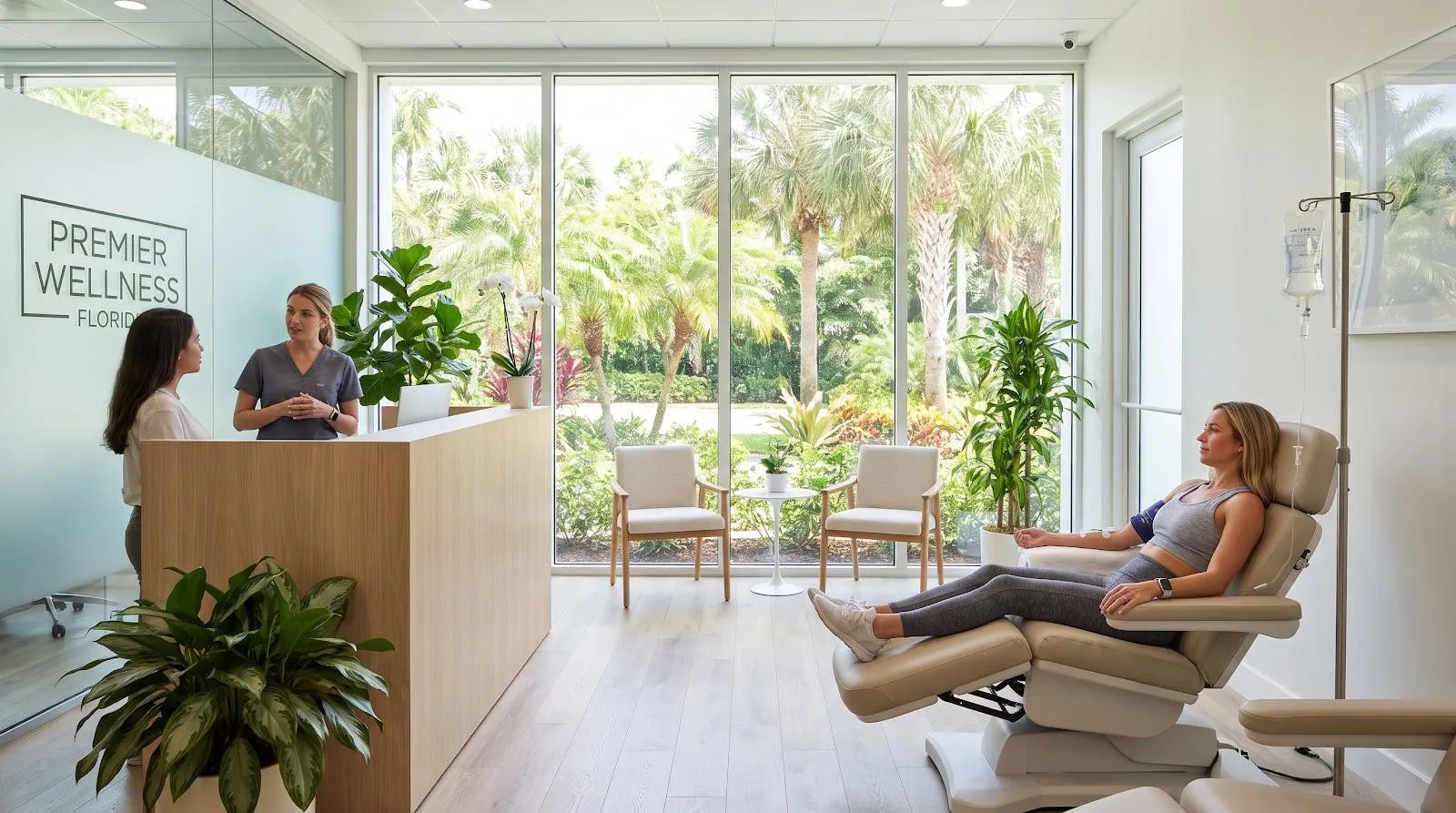
Premier Wellness Florida sits on Cape Coral Parkway, saving you a bridge drive. Its Low-T page lists injections, topical gels, and other medically supervised options in one location. The roster pairs Stephen Jones, MD, a board-certified general surgeon, with Stefany Rodriguez, FNP-C, who has pellet-insertion experience, letting you compare formats without clinic hopping.
What You Learn Before Booking
The site stresses customization and hints at “results within weeks” (though hormone-therapy benefits and risks are highly individualized), but publishes no lab-fee, consult, or medication pricing.
Staff confirm by phone that two morning testosterone tests start every plan, a win for evidence-based diagnosis.
In-city location means local lab draws, supply pickups, and same-day dose tweaks when needed.
Smart Questions to Bring
Which clinician writes the prescription and handles follow-ups?
Are pellets, patches, and orals on hand now or still “coming soon”?
How many labs and visits are included in the first-year quote?
Can any part of the work-up hit insurance, or is it strictly self-pay?
How quickly can you switch formats if estradiol or blood pressure climbs?
Premier Wellness wins on convenience and menu breadth; confirm prices and protocols before you roll up a sleeve.
6. Trinity HRT & Wellness: Best for Physician-Guided Hybrid Care
Why It Fits This Category
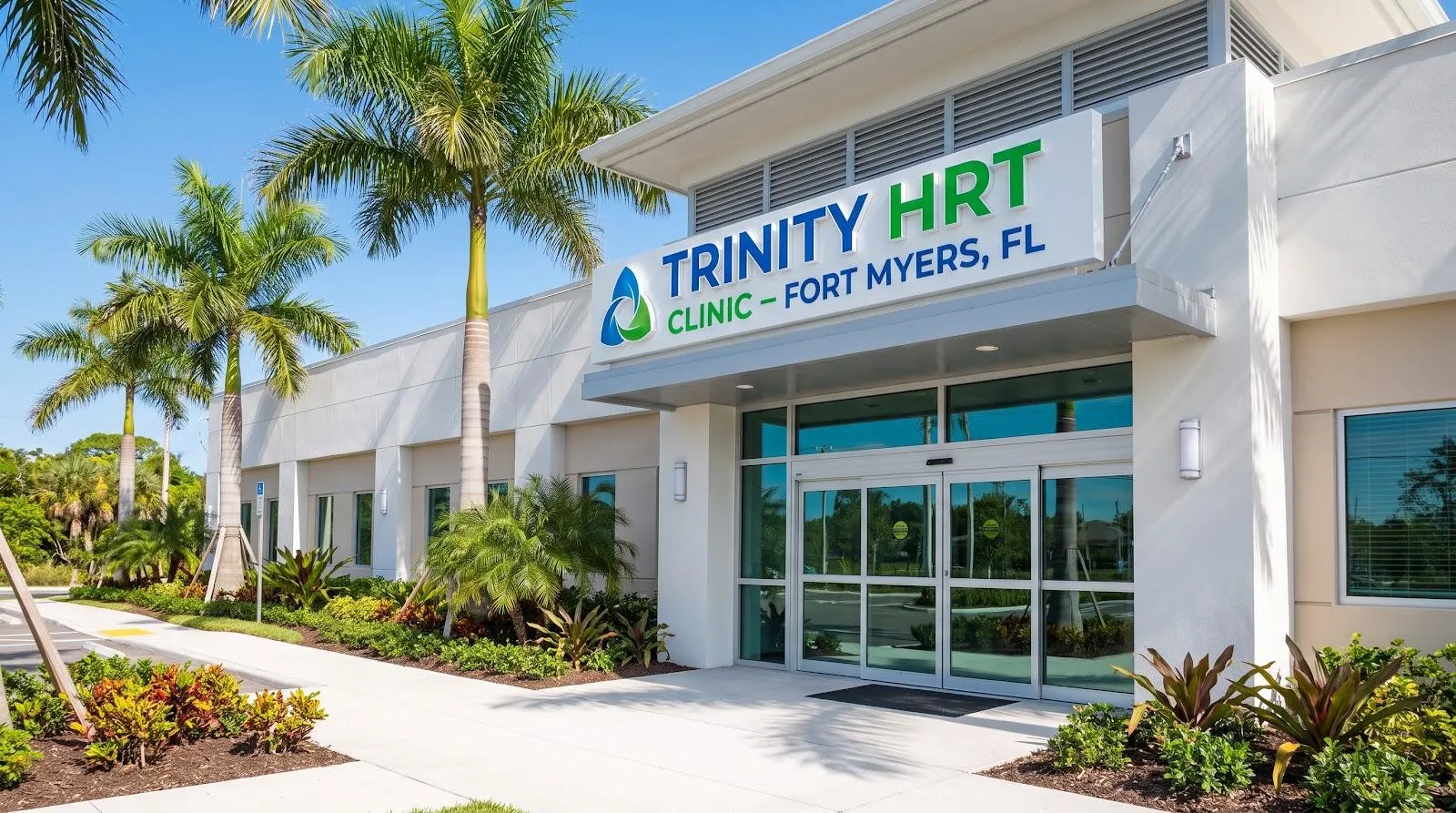
Trinity HRT & Wellness blends an in-office exam with couch-friendly follow-ups. Fort Myers–based Jean-Jacque Vel, DO writes the prescriptions; partner labs handle blood draws, and video visits cover dose tweaks. The clinic calls its approach “lab-based and individualized,” meaning numbers, not templates, drive your dose.
What You Learn Before Booking
A physician visit comes first, satisfying federal rules for Schedule III drugs.
After that, dose adjustments and side-effect checks happen by video.
Website outlines local-lab coordination but lists no injection brands, topical choices, or pellet details.
Pricing is opaque; consult fees and medication costs surface only after a phone intake.
Florida currently allows Schedule III prescribing by video when the doctor holds a state license and meets federal guidelines, but rules evolve. Trinity urges patients to confirm licensure and refill logistics at every renewal.
Smart Questions to Bring
Is my first consult in person, and can labs happen the same day?
Which testosterone formats (injectable, topical, pellet) are available now?
How are prescriptions shipped, and who pays for delivery?
What is the average response time for side-effect messages between virtual visits?
Will any labs or visits hit insurance, or is this a pure cash model?
Trinity pairs white-coat credibility with low-drive-time follow-ups. Nail down format and fees early so convenience does not turn into cost surprises.
Frequently Asked Questions
Does testosterone therapy preserve fertility?
Exogenous testosterone can cut sperm counts to near-zero in about 8–12 weeks by switching off LH and FSH, the pituitary signals that drive sperm production. Doctors may add enclomiphene or hCG to keep that signal alive, but neither guarantees normal counts. If fatherhood is on your horizon, bank sperm first or explore a provider-supervised SERM-only plan.
Has the FDA declared testosterone therapy risk-free?
No. The FDA has directed sponsors to remove boxed cardiovascular-risk language from testosterone labels following the TRAVERSE findings, but it also added a warning about blood-pressure increases and kept mandates for hematocrit, PSA, and lipid monitoring. Safe therapy still hinges on regular labs and blood-pressure checks, not a single headline.
Will testosterone therapy fix erectile dysfunction?
In the TRAVERSE sexual-function sub-study, testosterone gel raised libido and sexual-activity scores but produced no significant change in the International Index of Erectile Function–Erection score. Erections rely on nerves, blood flow, and psychology as well as hormones. If firmness is the main issue, discuss PDE5 inhibitors, lifestyle changes, or a vascular work-up; testosterone alone rarely does the job.
Did the recent hormone-label update approve all testosterone pellets?
No. The 2026 easing of boxed warnings applied to certain menopausal estrogen products; it did not cover testosterone and did not cover compounded pellets. Testosterone pellets, especially compounded versions, still vary in dose accuracy, sterility, and monitoring requirements. Always ask for the pellet’s product name, manufacturer, and whether it carries explicit FDA approval before signing up.