

Beyond the Scale: Understanding Body Contouring and Its Role in Your Health Journey
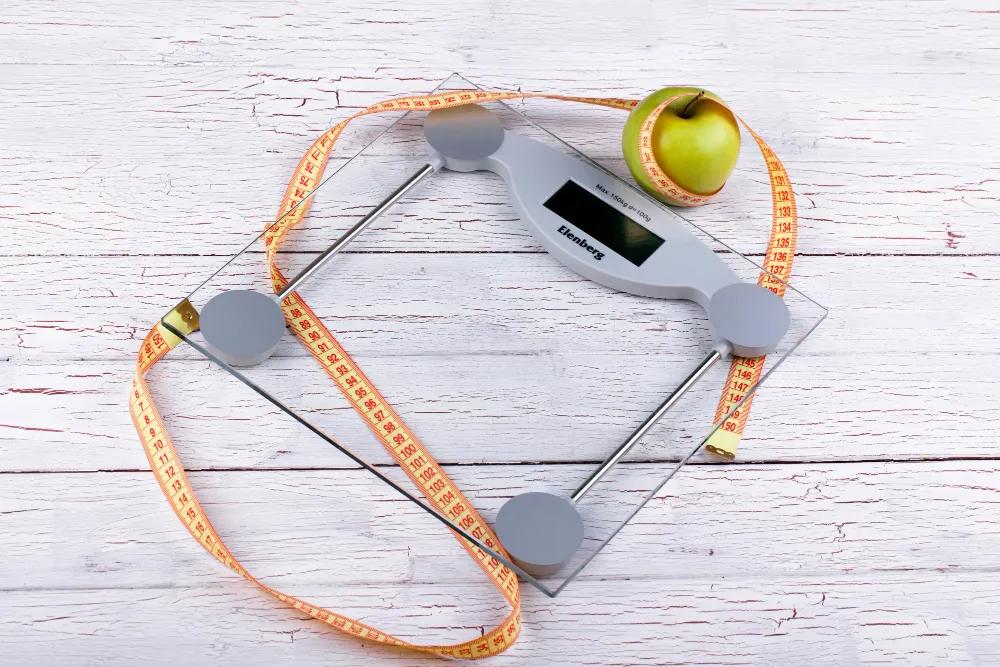
Losing weight and getting healthier is rarely a straight line. Many people work hard through diet changes, consistent exercise, and lifestyle adjustments, only to find that certain areas of stubborn fat simply won't budge no matter how disciplined they are. This is one of the most common frustrations in modern health and wellness, and it's also one of the most misunderstood. Genetics, hormones, age, and even where your body naturally stores fat all play a role in why some areas respond to lifestyle changes faster than others.
Understanding this distinction between overall health and localized body composition is key to making informed decisions about your body — including whether a procedure like body contouring might be a reasonable part of your journey, not a replacement for it.
Why Diet and Exercise Don't Always "Fix" Everything
It's a myth that enough willpower can reshape any part of the body. Fat distribution is largely determined by genetics and hormonal patterns. Some people carry excess weight around the abdomen, others around the thighs, hips, or upper arms — and these patterns are often resistant to spot reduction, a concept that has been repeatedly debunked by exercise science. You cannot "target" fat loss in one specific area purely through crunches or targeted workouts.
This is why many people who are otherwise at a healthy weight and highly active still struggle with pockets of fat that don't respond to conventional methods. For some, this becomes a source of ongoing frustration and can even affect self-esteem and motivation to maintain healthy habits, since results don't always visually reflect the effort being put in.
The Difference Between Weight Loss and Body Contouring
It's important to separate two different goals: losing weight and reshaping the body. Weight loss is about reducing overall body mass through a caloric deficit — burning more calories than you consume, primarily by improving diet and increasing physical activity. Body contouring, on the other hand, is about addressing specific areas of stubborn fat or reshaping the body's silhouette after weight loss, pregnancy, or aging has changed skin elasticity and fat distribution.
Cosmetic procedures designed for body contouring are not weight-loss tools, and reputable providers are clear about this distinction. They're best suited for people who are already close to a stable, healthy weight but have specific areas that haven't responded to lifestyle changes. For example, someone considering calgary liposuction is typically looking to refine areas like the abdomen, flanks, thighs, or upper arms rather than achieve significant overall weight reduction.
What a Healthy Approach to Body Contouring Looks Like
If you're considering any kind of cosmetic body procedure, health should remain the foundation of the decision, not an afterthought. A few principles are worth keeping in mind:
Start with Realistic Expectations
Cosmetic procedures reshape and refine — they don't replace the foundational work of maintaining a healthy weight through nutrition and activity. The best candidates are usually people who are already at or near a stable weight and want to address specific problem areas rather than lose significant weight.
Prioritize Consultation Over Assumption
Every body is different, and what worked for a friend or something seen online may not apply to your situation. A proper consultation with a qualified provider should include a review of your health history, current medications, and any underlying conditions that could affect candidacy or recovery.
Understand Recovery Is Part of the Process
Recovery time, aftercare instructions, and realistic timelines for seeing results all matter just as much as the procedure itself. Rushing back into intense exercise or ignoring aftercare guidance can affect both results and safety.
The Bigger Picture: Sustainable Health Habits Still Matter Most
No cosmetic procedure — however effective — substitutes for the fundamentals of good health: balanced nutrition, regular movement, adequate sleep, stress management, and routine medical checkups. In fact, procedures tend to work best and last longest when paired with sustained healthy habits afterward. Removing fat cells from a targeted area doesn't mean the body can't gain weight elsewhere if lifestyle habits shift in an unhealthy direction over time.
This is why many providers emphasize that cosmetic body procedures work best as one part of a broader health strategy, not a shortcut around it. Setting a foundation of good habits first — and using contouring procedures to address the parts that genuinely resist those efforts — tends to produce results people are happiest with long-term.
Mental and Emotional Wellbeing Matter Too
It's also worth acknowledging the psychological side of body image. Struggling with areas of the body that don't reflect your effort can take a toll on confidence and motivation. For many people, addressing a stubborn area they've struggled with for years — after doing everything else "right" — provides a meaningful boost to both self-image and continued motivation to stay active and healthy. This isn't vanity; it's a legitimate part of overall wellbeing, since mental health and physical health are deeply connected.
That said, it's worth being honest with yourself about why you're considering a procedure. If the motivation comes from a specific, persistent problem area despite consistent healthy habits, that's a very different situation than seeking a shortcut around lifestyle change. A good provider will often ask these questions during consultation, precisely because outcomes and satisfaction tend to be better when expectations are grounded in reality.
Final Thoughts
Your body's shape is influenced by far more than diet and exercise alone — genetics, hormones, and aging all play significant roles that lifestyle changes can't always fully override. For people who have already put in consistent work toward a healthy weight but still struggle with specific stubborn areas, body contouring can be a reasonable option to explore, provided it's approached as a complement to — not a replacement for — sustainable health habits.
As with any medical or cosmetic decision, the best first step is always a conversation with a qualified provider who can assess your individual health history and goals, and help you decide whether a procedure is the right fit for where you are in your health journey.