

For many adults, stepping into a pool feels less like recreation and more like a personal challenge. Overcoming adult fitness fears becomes particularly complex when deep water, limited experience, or lingering embarrassment from the past start influencing how much you immerse yourself in a situation. Still, genuine confidence in the water develops through steady exposure, thoughtful practice, and a mindset that values progress over perfection.
Unlike children, adults tend to measure themselves against internal standards that feel rigid and unforgiving. Recognizing that swimming is a learned motor skill rather than a natural talent can allow space for patience and steady improvement.
Why Water Feels Different as an Adult
Water changes your relationship with gravity, balance, and breath in ways that land-based workouts simply do not. Because your body becomes partially buoyant, familiar cues disappear. That unfamiliar sensation frequently triggers tension, and tension, in turn, makes movement in the water feel more difficult than it is.
At the same time, social awareness tends to heighten anxiety. Adults sometimes hesitate to practice basics because they assume everyone else in the lane swims effortlessly, even though they don’t know that for sure. But when comparison fades, attention can shift toward rhythm, breathing patterns, and gradual skill building.
Starting Small Builds Real Confidence
Progress in the pool grows from manageable steps that reinforce safety and control. Rather than attempting continuous laps on day one, it helps to dedicate early sessions to foundational drills that establish comfort and breath awareness.
Practice slow, controlled exhalations underwater while holding the pool edge, focusing on releasing air steadily instead of forcefully
Experiment with supported floating to understand how buoyancy responds to relaxed muscles
Walk through chest-deep water to experience resistance while maintaining stable footing
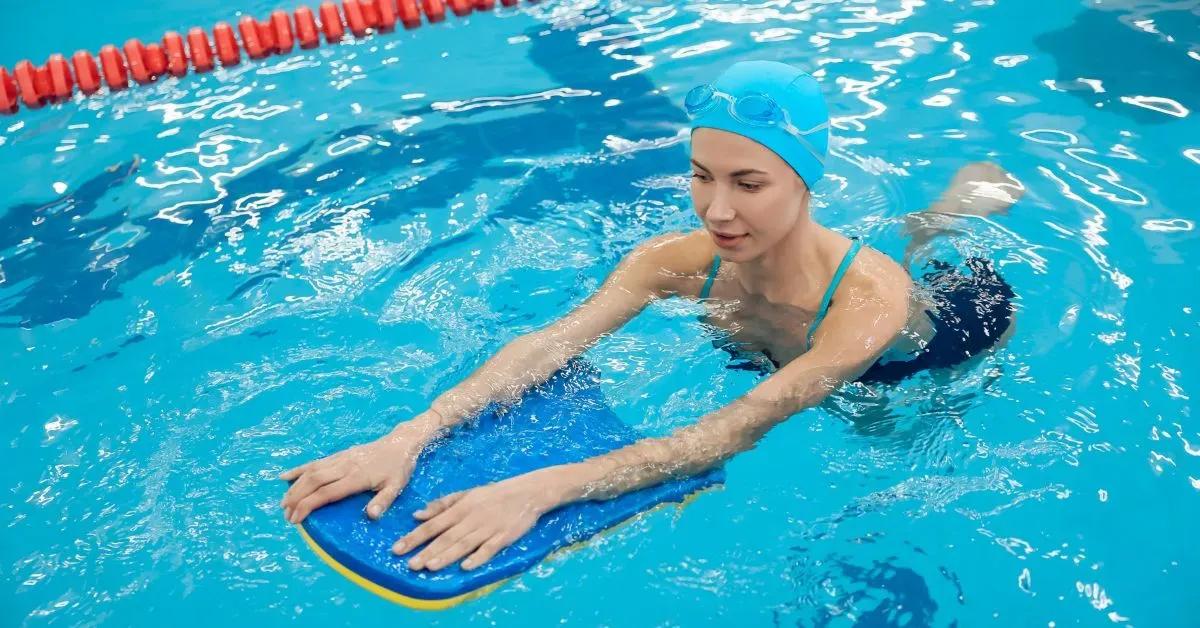
Incorporate basic kick drills with light support to coordinate legs and breathing
In addition, the right equipment can make early practice feel structured. Choosing the right swim aid for your skill level can support matching different abilities, which reduces confusion and builds trust in the process. When you use support tools intentionally, they function as temporary training partners rather than long-term crutches, gradually fading as your technique improves.
Reframing Fear as Feedback
Although fear can feel like a stop sign, it frequently acts more like feedback pointing toward unfamiliar territory. For example, tight shoulders and rushed breathing usually indicate that the nervous system is on high alert, which means slowing the tempo can restore control.
Setting one clear objective per session further reduces overwhelm. Instead of vaguely aiming to “get better,” choose a focused goal such as floating independently for fifteen seconds or swimming half a length while maintaining steady breathing. When sessions revolve around specific targets, improvement becomes measurable, which makes continued effort feel rewarding rather than uncertain.
Turning the Pool Into a Training Partner
Gradually, smoother strokes replace rigid movements, and breathing settles into a sustainable rhythm. In that transition, overcoming adult fitness fears evolves from a distant goal into lived experience, reinforcing lasting confidence in the water. When hesitation gives way to curiosity and practice becomes consistent, the pool shifts from intimidating space to an empowering environment.