

Smiling beautifully, speaking gracefully, and eating freely. That's the kind of confidence we're talking about, no hesitation and no second-guessing. But how about those individuals who quietly adjust their lives around missing teeth? They may be experiencing self-consciousness in ways that affect how they carry themselves through daily life. While the initial solution is dentures, they’re not always a long-term answer for everyone.
That said, implant surgery offers a different approach altogether. This procedure has been gaining traction in the dental industry because it goes beyond simply replacing lost teeth. To understand how it works and why it matters for oral health and quality of life, let’s take a closer look.
A Brief Overview of Dental Implants
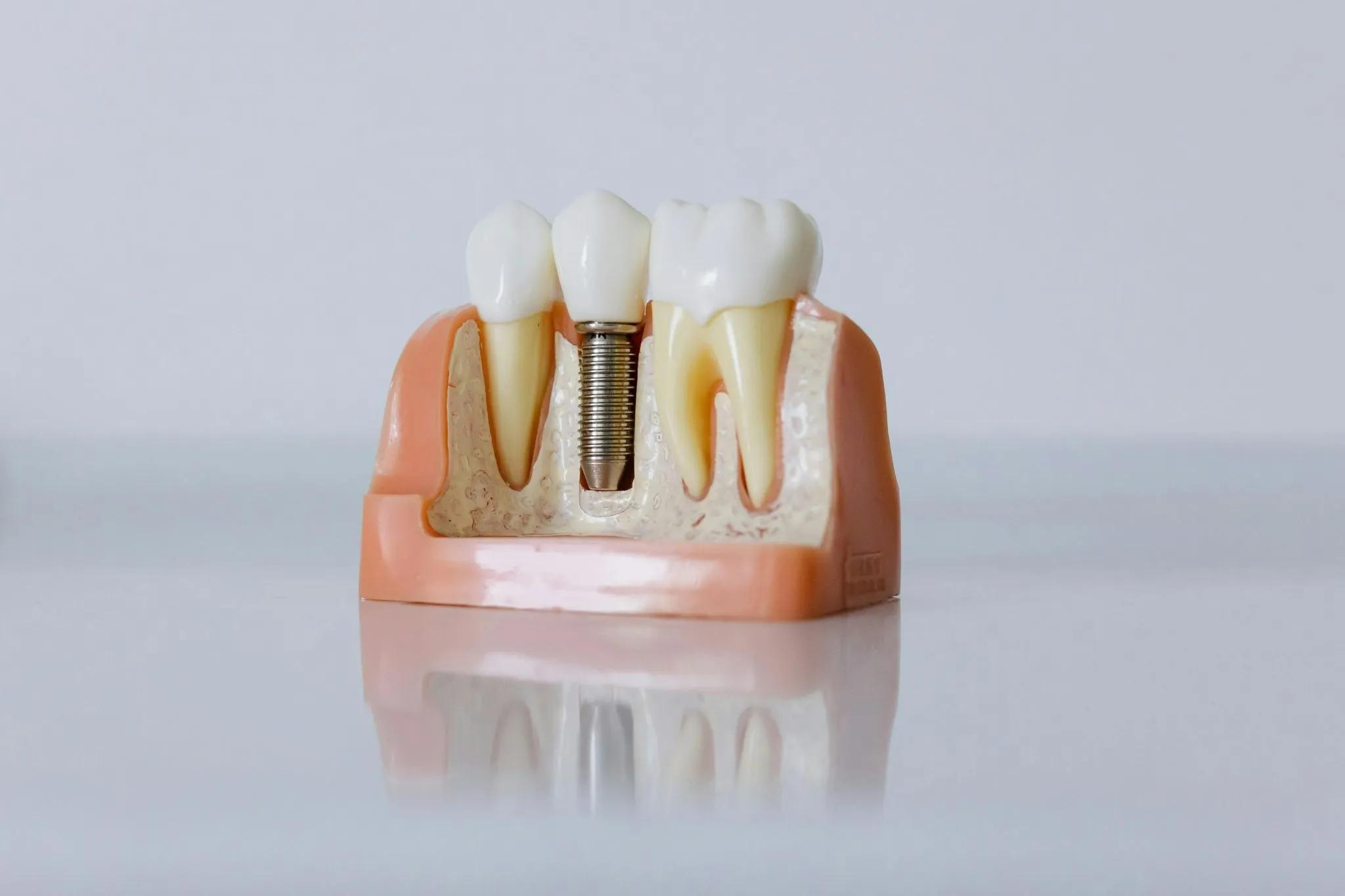
Dental implants are one of the most reliable ways to replace a missing tooth. The process begins with a titanium post embedded in the jawbone, which the bone then grows around and integrates as part of its own structure. Once it's fully integrated, a connector known as an abutment is attached, which then supports a custom-made crown designed to resemble a natural tooth in shape and color.
As more people discover just how effective this method can be, demand for it continues to rise steadily around the world. In fact, the global market size is expected to reach over USD$ 15 billion by 2035, with an annual growth rate of 9.95%. It’s clear how the field of dentistry is evolving to prioritize patients’ oral health.
Benefits Beyond Aesthetics
If you've heard about the dental implant procedure, your first impression may be that it’s simply a treatment for tooth loss and to improve your appearance. The truth is, its real story runs much deeper. Let’s break down the most notable benefits that go far beyond that initial purpose.
Restoring the Ability to Eat Without Restriction
One of the first things people notice after getting dental implants is how much easier it becomes to eat normally again. There’s no more mental checklist before a meal, no quietly avoiding certain dishes, and no planning around what might be safe to chew. Missing teeth or uncomfortable dentures tend to shrink the menu, cutting out anything that requires real bite or strength. And with that, a lot of enjoyment tends to fade too.
Dental or titanium implants can change that experience. And since they're anchored directly into the jawbone, they behave more like natural teeth. That stability brings back the freedom to bite, chew, and enjoy food without hesitation. An apple can be crisp again instead of risky, steak doesn’t need to be avoided, and even simple snacks like nuts stop feeling off-limits. Slowly, eating stops being something you manage and starts becoming something you simply enjoy again.
To get the best possible results, it's recommended to consult with Anytime Dental Implant Centers or another reputable clinic in your area. Choosing a qualified and experienced dental professional ensures that the procedure is properly planned and tailored to your specific needs.
Preserving Bone and Preventing Facial Changes
What many people don't realize is that bone loss can begin soon after a tooth is removed. The jawbone relies on the pressure from chewing to stay active and maintain its strength. When a tooth root is no longer there to provide that stimulation, the bone in that area gradually begins to reduce in density over time. It doesn't happen overnight, but it develops slowly in the background. While traditional dentures and bridges may replace the visible tooth, they do nothing to address this underlying structural loss.
This is where dental implants take a different approach. As mentioned, they're designed to fuse with the jawbone through a process called osseointegration. Because of this connection, the bone continues to receive the stimulation it needs to stay healthy and stable. This, in turn, helps maintain natural facial structure and prevents the hollowed or aged look that can come with bone loss.
Speaking More Clearly and Confidently
Speech is often something people do not think about until tooth loss begins to affect it. Teeth play an important role in forming certain sounds, especially consonants like 's,' 'f,' 'v,' and 'th.' But those sounds may become unclear, distorted, or harder to pronounce naturally when teeth are missing.
You don't have to keep adjusting your speech or feel self-conscious every time you talk to someone. With dental implant surgery, patients typically find that their pronunciation improves noticeably. Public speaking, phone calls, and casual conversations become less stressful when there's no concern about instability or discomfort. The relationship between clear speech and self-assurance is real, and dental implants support both.
Lifting Psychological Well-Being and Social Ease
The psychological burden of tooth loss is often underappreciated in clinical discourse. Research consistently associates missing teeth with diminished self-esteem, social withdrawal, and, in some cases, heightened anxiety in interpersonal settings. These effects often show up in subtle habits, such as avoiding smiling in photos, covering the mouth while laughing, or hesitating in group interactions. These behavioral changes may seem small, but they accumulate into a pattern that erodes quality of life in meaningful ways.
Implants offer a replacement that closely mirrors a natural tooth, and that normalcy has a profound effect on mental well-being. Post-treatment surveys often highlight increased confidence, a stronger willingness to engage socially, and a more settled sense of identity. Knowing that the tooth will not slip, shift, or need to be removed overnight removes a persistent source of personal insecurity. For many patients, the emotional relief is just as significant as the physical restoration, sometimes more so.
Supporting Long-Term Oral Health
Gum or periodontal disease is one of the more unexpected concerns that follows tooth loss, and it's one that rarely gets discussed upfront. When a gap is left untreated, the exposed gum tissue becomes more vulnerable to bacterial buildup and inflammation. And that chronic low-grade infection can affect not just the immediate area but the surrounding teeth and supporting structures as well.
Dental implants are designed to integrate with the body, and that distinction matters for long-term health. The titanium post creates a sealed environment at the gum line that limits bacterial infiltration in a way that gaps and artificial restorations often cannot.
Daily care is also straightforward. Regular brushing and flossing around an implant are usually enough to keep the surrounding tissue healthy. Over the years, this simple maintenance supports a clean oral environment and helps reduce the risk of ongoing gum-related issues.
Closing Thoughts
Dental implants have become widely recognized as a gold standard for replacing missing teeth. While they are often introduced as a cosmetic solution, the evidence points to something far more comprehensive. From preserving bone structure and supporting psychological well-being to reducing the risk of broader health complications, these are not minor footnotes to the aesthetic result. They are the substance of what this treatment delivers in everyday life. This is what makes dental implant surgery a genuine investment in quality of life.