

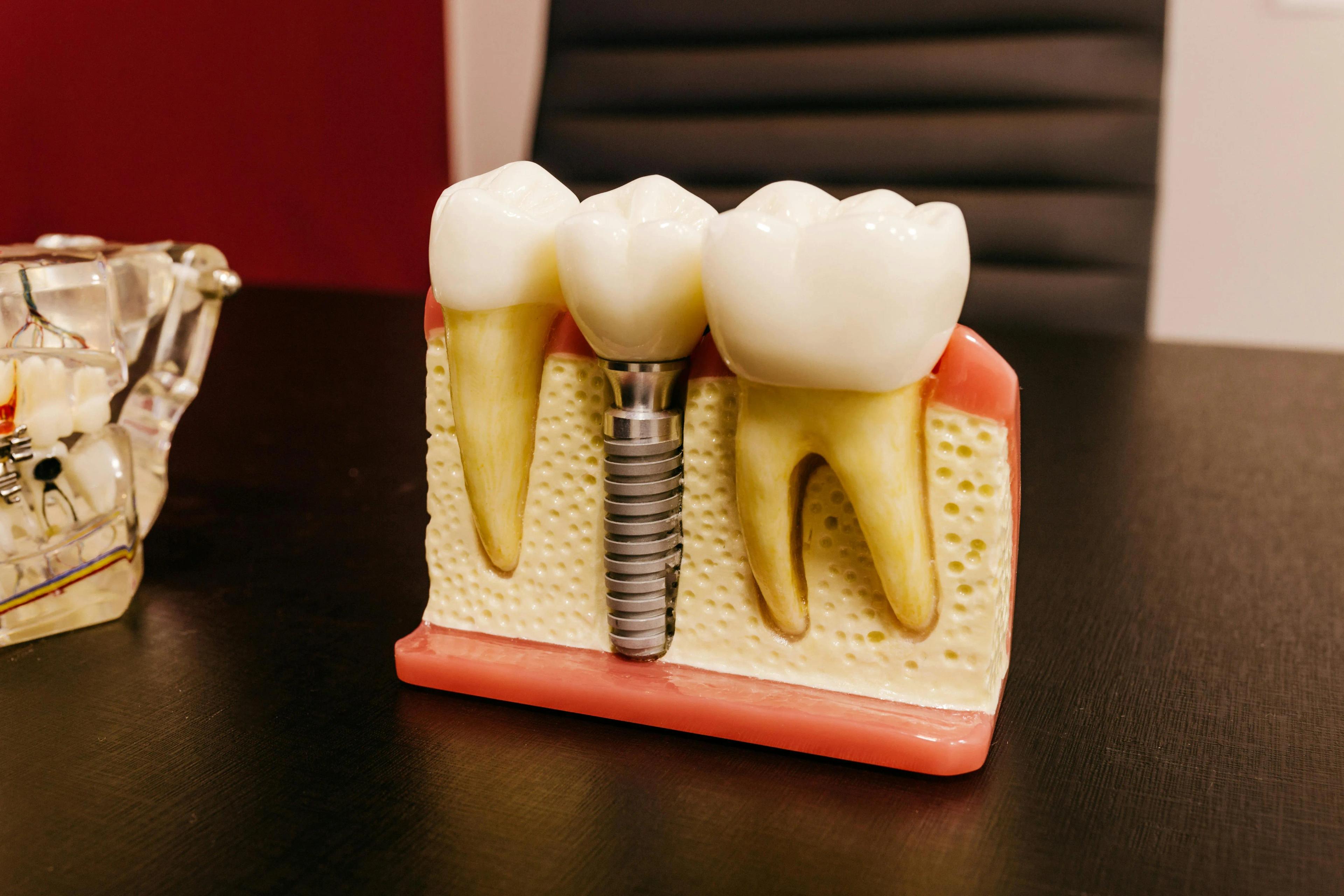
Dental implants are great for people who need them. They're often used to help align crooked teeth or fill in for missing teeth. Most options today look just like natural teeth and work like them, too. After the dental implant procedure, you might think that's that.
Much like having any medical operation done, there will be a period of healing you need to undergo. Proper recovery determines how successful your implants will be. But recovering from the surgical procedure can be quite a lengthy process.
This article provides practical tips for people who've just received their dental implants. These tips should help accelerate the healing period, so you can enjoy your new teeth to the fullest.
Manage Swelling the Right Way
Swelling is normal after a dental implant operation. While most advice will tell you to use an ice pack, understand that you can't keep it on 24/7. Ice over the affected area following the 20-on/20-off rule. Continuous icing may backfire, restricting the blood circulation your gums need for healing.
Swelling typically peaks at 48 to 72 hours after the operation. So, if you stop icing on day one, you're missing the most critical window.
Add elevation to your routine. When sleeping, elevate your head at 30 to 45 degrees. Two pillows or a wedge pillow can help reduce the fluid pooling around your jaw overnight.
If you're unsure when and how to best keep the swelling down, don't hesitate to consult your dentist. For example, the team at Advanced Dental Lounge and Implants understands what patients go through after an operation. Dental professionals will guide you with compassion and expertise to ensure you heal fast and properly.
Eat for Bone Recovery
As you make do with eating 'soft foods,' don't forget that what you eat has a direct impact on your bone recovery. Food also serves as active medicine for osseointegration, or the process of bone fusing to the implant.
Go for foods with these specific nutrients:
Vitamin D + Calcium: This nutrient combo directly supports bone density rebuilding. You'll find it in soft foods such as yogurt, fortified milk, and soft-cooked salmon.
Vitamin C: This commonly found nutrient is essential for collagen synthesis and gum tissue repair. Fruits like berries and mangoes have it and are great for daily smoothies.
Zinc: Most people often overlook this nutrient, but it's needed for immune response and wound closure. Food such as eggs and lentils is an easily accessible source of zinc.
Avoid certain common 'soft food' options that are highly acidic, such as fruit juices. Eating hot foods is also a big no-no. They can irritate the surgical site and may increase bleeding risk.
Continue Correct Oral Hygiene
Whether you have dental implants or not, it's crucial to practice proper and correct oral hygiene. However, some patients who've had dental implant surgery tend to fear disrupting the surgical site. But consistent and correct hygiene is a must to speed up healing.
If you're worried about affecting your implant, here's a safe and easy protocol you can follow:
For the first 24 hours, don't rinse or spit. Gentle rinsing may dislodge the blood clot protecting the site.
On day two onward, have warm saltwater rinses. A mixture of ¼ teaspoon salt in eight ounces of water will do. Tilt your head down and let the water fall out rather than spitting.
Use a soft-bristle toothbrush to clean your surrounding natural teeth. Try to avoid the implant site as much as possible.
Rinse with chlorhexidine only if prescribed. Use it sparingly, as overuse may disrupt the healthy oral bacteria.
Regular visits to a trusted dental care clinic will also help you observe proper oral health. Your dentist has the skills and tools to carefully clean your mouth while minding the oral surgery site.
Avoid Habits That Slow Healing
Many habits may slow down the healing process and may lead to implant failure. A harmful habit to avoid includes smoking. Nicotine constricts blood vessels and reduces oxygen delivery to healing tissue. Some studies even show that smokers are more likely to have higher implant failure rates.
If you frequently drink alcohol, that's another habit to kick while healing from dental implant surgery. Alcohol thins the blood, prolongs inflammation, and interferes with antibiotics.
Even using straws to drink may have a negative effect on your dental implants. The suction pressure, which is similar to smoking, could disturb the surgical site. Consider drinking straight from the cup or glass in the meantime.
Consistently lacking sleep is another bad habit that may slow your healing post-dental implant process. Cortisol is a key player in the sleep-wake cycle. When it's unbalanced, it may impair immune function, slowing tissue repair as well.
Encourage Movement and Blood Flow
It might not seem like it, but easy exercise helps the site of your dental implant fixtures heal faster. Gentle, deliberate movements, like light walking, promote circulation without straining your jaw.
Avoid going to the gym for strenuous exercise in the first three to five days. Intense movement raises blood pressure and heart rate, which increases bleeding risk and swelling.
When your trusted dental provider gives you the go-ahead to exercise again, remember to breathe in through your nose. Nasal breathing reduces mouth dryness and prevents the surgical site from drying up.
Wrapping Up
Healing from dental implants requires your active participation. Osseointegration can take three to six months, so your patience matters as much as the tips above.
Consulting a dental professional will also help you gain a personalized recovery plan. When you take recovery seriously, you'll dramatically improve your implant success rates.