

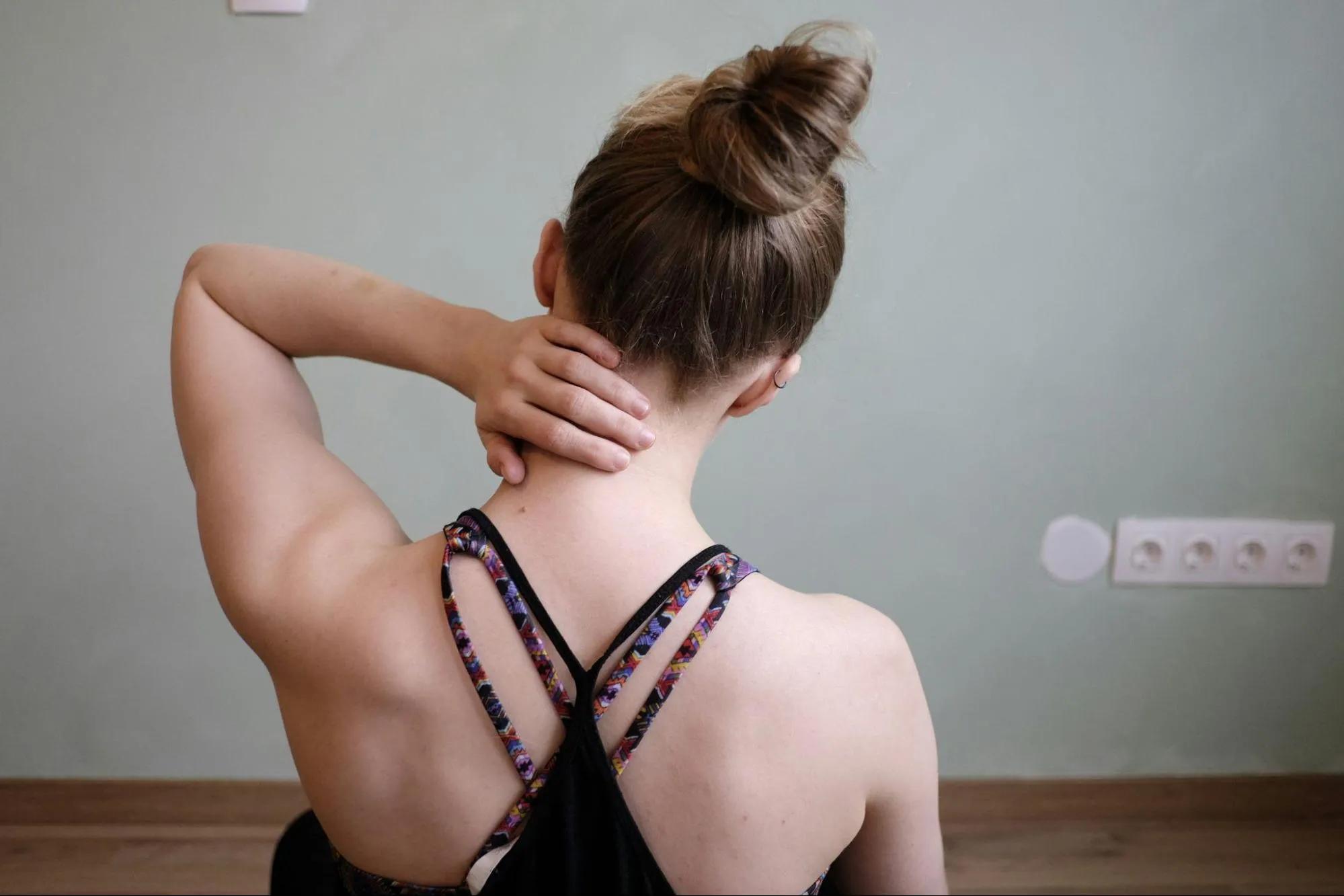
Most of us carry stress in our bodies without thinking about it. Shoulders creep toward the ears during a busy week, the lower back tightens after long hours at a desk, and sleep gets lighter when the to-do list gets longer. Looking after your body doesn’t have to mean dramatic changes. Often it comes down to a steady routine that combines movement, rest, and support for the areas that tend to hold tension.
Why Tension Builds Up Quietly
Physical tightness rarely appears overnight. It usually accumulates through small habits: sitting for long stretches, shallow breathing during stressful moments, carrying a bag on one shoulder, or skipping the stretching that used to be part of the day. Because the change is gradual, many people simply adapt to it, treating stiffness as normal until it begins to limit what they enjoy.
Stress compounds the problem. When the mind is under pressure, muscles often stay partly contracted, and that ongoing tension can make everyday movement feel heavier. This is one reason people frequently notice aches more during demanding periods, even when their physical activity hasn’t changed.
The Role of Movement-Based Care
Guided exercise and hands-on physical therapy aim to restore comfortable movement and build the strength that supports it. A good programme looks at how you move in daily life, not just where it hurts, and then builds up capacity step by step. The goal is practical: getting through the day with less discomfort and returning to activities you care about.
Consistency matters more than intensity. Short, regular sessions of targeted movement tend to be easier to maintain than occasional bursts of effort, and they build confidence along the way. That confidence is valuable in itself, because fear of aggravating a sore area often leads people to move less, which can make stiffness worse.
Where Complementary Therapies Fit
Many people also explore complementary approaches alongside movement-based care. Acupuncture, which involves placing very fine needles at specific points on the body, is one of the most widely used. People turn to it for a range of reasons, including muscle tension, general discomfort, and a desire for something that feels calming. Research on acupuncture is mixed depending on the condition, so it is best viewed as one possible part of a wider plan rather than a cure-all, and anyone considering it should discuss it with a qualified professional first.
Some practices now offer both services together, which can simplify things for people who would otherwise coordinate separate appointments. For readers in central New Jersey, a search such as physical therapy and acupuncture Edison, NJ is a reasonable way to find providers who combine these approaches in a single setting.
Building a Routine That Lasts
Whatever mix of support you choose, a few principles tend to help:
Start small. A routine you can actually keep is worth more than an ambitious plan that falls apart in two weeks.
Pay attention to early signals. Mild stiffness or recurring tightness is easier to address than discomfort that has been building for months.
Protect your rest. Sleep is when the body does much of its repair work, so simple habits like a consistent bedtime and a comfortable sleeping position are worth the effort.
Make time to decompress. Breathing exercises, walking outdoors, or a few minutes of quiet can reduce the background tension that feeds physical aches.
Ask questions. A good practitioner will explain what they are doing, what to expect, and how progress will be measured.
Know When to Get Checked
Persistent pain, symptoms that are getting worse, or anything involving numbness, weakness, or sudden changes should be assessed by a healthcare professional rather than managed at home. Early evaluation often leads to simpler treatment and a clearer plan.
A Steadier Way Forward
Feeling well physically is rarely about one perfect fix. It tends to come from a combination of small, sustainable choices: moving regularly, resting properly, managing stress, and seeking skilled help when something doesn’t feel right. Treat your body as something worth maintaining rather than only repairing, and the daily rhythm of work, family, and leisure usually becomes a little easier to enjoy.