

Gastric Sleeve vs Gastric Bypass: Which Weight Loss Surgery Is Right for Your Obesity Treatment?
Weight loss surgery becomes a pivotal consideration when years of diets, exercise plans, and lifestyle resets bring only short-term results. It’s not about giving up—it’s about addressing the biological and behavioral factors that make obesity so persistent. For many individuals, consulting a bariatric surgeon marks the moment they shift from temporary fixes to a sustainable path toward better health. These procedures don’t just reduce stomach size; they reset metabolism, regulate appetite, and improve how the body absorbs nutrients—helping patients achieve lasting outcomes that traditional methods often can’t.
Before moving forward, checking your BMI offers valuable insight into whether surgical intervention could be a suitable option for your obesity treatment. Bariatric surgery—whether gastric sleeve or gastric bypass—isn’t a quick solution; it’s a medically guided journey designed to restore balance, health, and confidence.
Specialized bariatric teams like NObesity focus on individualized evaluation, comprehensive care, and ongoing support to ensure every patient’s transformation is both safe and lasting. With this foundation in place, let’s explore what gastric sleeve surgery involves and why it has become one of the most trusted choices for long-term weight management.
What Is Gastric Sleeve Surgery?
Gastric sleeve surgery, or sleeve gastrectomy, is one of the most popular bariatric surgery options for sustainable weight loss and obesity treatment. It’s ideal for individuals who have struggled with repeated diet plans, medications, or exercise routines without achieving lasting results. Unlike gastric bypass surgery, it doesn’t alter the intestines, which makes it simpler, safer, and easier to maintain long-term. This minimally invasive weight loss surgery not only helps reduce food intake but also resets hunger hormones, giving patients a renewed metabolic balance and better control over their health.
How It Works and What Happens During the Procedure
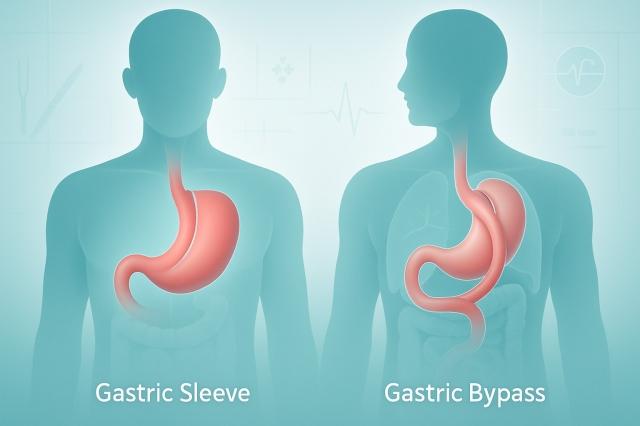
The gastric sleeve procedure works by reshaping the stomach into a smaller, sleeve-like structure that limits food intake and appetite. It’s performed by an experienced bariatric surgeon using advanced laparoscopic techniques for precision and faster recovery.
Here’s what typically happens during the surgery:
- About 75–80% of the stomach is carefully removed, leaving a narrow, banana-shaped sleeve.
- The smaller stomach holds less food, which naturally helps patients feel full faster.
- The production of ghrelin, the hunger hormone, is significantly reduced, helping manage appetite more effectively.
- Since there’s no intestinal rerouting, nutrient absorption remains largely intact, reducing long-term complications.
People often ask, “Is gastric sleeve surgery painful or risky?” — While every surgery carries some risk, this procedure is considered one of the safest and most effective bariatric weight loss surgeries when performed by skilled specialists.
Common Recovery Timeline and Expected Results
The recovery period after gastric sleeve surgery is usually short and manageable, especially with proper medical guidance and follow-up care.
Typical recovery timeline and outcomes:
- Hospital stay: Around 1–2 days, depending on overall health and post-op progress.
- Return to daily activities: Usually within 5–7 days, with gradual increases in mobility.
- Diet progression: Starts with liquids, then soft foods, before returning to solids under dietitian supervision.
- Expected weight loss: Many patients lose 60–70% of their excess body weight within the first 6–12 months.
- Health improvements: Noticeable reductions in diabetes, hypertension, sleep apnea, and joint pain.
With continuous lifestyle support and medical monitoring from a specialized bariatric team like NObesity, gastric sleeve surgery empowers patients to achieve long-term health transformation and confidence—setting the stage to compare how gastric bypass surgery takes a different yet equally effective approach to weight loss.
What Is Gastric Bypass Surgery?
Gastric bypass surgery, also known as Roux-en-Y gastric bypass, is a well-established bariatric surgery procedure designed to support long-term weight loss and obesity treatment. It’s particularly effective for individuals dealing with severe obesity or weight-related health issues such as type 2 diabetes, high blood pressure, or sleep apnea. The surgery works by changing both the size of the stomach and the way food passes through the digestive system—leading to reduced calorie absorption and improved metabolic balance. Among all forms of weight loss surgery, gastric bypass is known for its proven track record in helping patients achieve sustained and medically significant results.
How It Differs in Approach and Digestion Process
While gastric sleeve surgery focuses on stomach reduction alone, gastric bypass goes a step further by modifying the digestive pathway to limit calorie absorption. This dual mechanism—restriction and malabsorption—makes it highly effective for substantial and lasting weight reduction.
Here’s how it works:
- The surgeon creates a small pouch at the top of the stomach, which holds less food and reduces hunger signals.
- This pouch is then connected directly to the small intestine, “bypassing” a portion of the digestive tract.
- As a result, fewer calories and nutrients are absorbed, accelerating weight loss while improving metabolic health.
- The body also experiences beneficial hormonal changes that enhance insulin sensitivity and hunger control.
People often ask, “Is gastric bypass better than gastric sleeve?” — The answer depends on your health profile, BMI, and specific weight loss goals. Both procedures have unique benefits, and a qualified bariatric surgeon will recommend the best fit based on individual needs.
Outcomes and Recovery Insights
The results after gastric bypass surgery are often transformative—both physically and medically. Patients typically notice early and steady weight reduction, accompanied by marked improvement in obesity-related conditions.
Common recovery and outcome highlights:
- Hospital stay: 2–3 days on average, depending on individual health status.
- Recovery period: Most patients resume light activity within 1–2 weeks under medical supervision.
- Expected weight loss: Around 65–80% of excess body weight within 12–18 months, depending on adherence to lifestyle changes.
- Health benefits: Remission or major improvement in type 2 diabetes, high cholesterol, hypertension, and sleep apnea.
- Long-term success: Requires consistent dietary management, exercise, and regular follow-ups with the bariatric care team.
With professional guidance from specialized bariatric centres like NObesity, patients receive continuous nutritional counselling and medical support—ensuring safe recovery, sustained weight loss, and renewed quality of life. Next, let’s look at how gastric sleeve and gastric bypass surgeries differ and what helps doctors recommend the right one for every patient.
Gastric Sleeve vs Gastric Bypass: Key Differences Explained
|
Evaluation Criteria |
Gastric Sleeve Surgery |
Gastric Bypass Surgery |
|
Hormonal impact |
Reduces ghrelin production, supporting better appetite control and steady weight management. |
Influences multiple hormones (GLP-1, PYY) for enhanced insulin sensitivity and stronger appetite regulation. |
|
Effect on Diabetes |
Often improves blood sugar levels, particularly in early-stage type 2 diabetes. |
Stronger and faster remission rates for type 2 diabetes due to metabolic changes. |
|
Digestive adaption |
Maintains the natural digestion pathway, allowing balanced nutrient absorption. |
Alters food flow to improve metabolism and energy use, with managed nutrient absorption under medical guidance. |
|
Surgical flexibility |
It can be upgraded to another bariatric procedure in the future if additional weight loss support is required. |
Designed for patients needing advanced intervention; revision options exist with specialist evaluation. |
|
Nutritional support |
Easier to manage nutritionally with fewer supplement requirements. |
Requires consistent monitoring for vitamin and mineral deficiencies. |
|
Sustainability of Results |
Delivers consistent and sustainable weight loss with ongoing lifestyle management. |
Offers comparable long-term results with structured dietary and follow-up plans. |
|
Impact on daily life |
Supports active, flexible recovery and gradual lifestyle adaptation. |
Encourages mindful eating habits and long-term metabolic improvement through guided care. |
|
Ideal candidate profile |
Suited for individuals seeking a less complex yet highly effective surgical path to weight loss. |
Recommended for those with higher BMI or medical conditions requiring stronger metabolic correction. |
How Bariatric Surgeons Decide Which Surgery Fits You Best
Choosing between gastric sleeve and gastric bypass surgery isn’t just about preference—it’s about precision. Every patient’s journey with weight loss surgery begins with a comprehensive evaluation to ensure the procedure aligns with their medical profile, lifestyle, and long-term health goals. Bariatric surgeons focus on identifying the safest, most effective option that delivers lasting results while supporting overall well-being.
Health Conditions, BMI, and Lifestyle Considerations
A bariatric surgeon’s recommendation depends on several interconnected factors that define your readiness and suitability for surgery:
- Body Mass Index (BMI): Generally, individuals with a BMI above 35 (with obesity-related conditions) or 40 and higher are considered suitable candidates for surgical intervention.
- Existing Health Conditions: Patients with type 2 diabetes, sleep apnea, fatty liver, or high blood pressure may benefit more from gastric bypass due to its stronger metabolic impact, while those seeking a simpler procedure with fewer digestive changes may be guided toward gastric sleeve surgery.
- Lifestyle & Eating Habits: Eating behavior, portion control, and commitment to post-surgery guidelines play a major role. Patients who are consistent with dietary discipline and activity often see excellent results with either surgery.
- Long-Term Goals: Surgeons also evaluate a patient’s motivation for sustained change, as long-term success depends as much on behavioral adaptation as on surgical outcome.
Ultimately, the best bariatric surgery is the one that matches your health profile—not just your weight.
Importance of Personalised Evaluation at NObesity
At specialised bariatric centres like NObesity, no two treatment plans are ever the same. Every patient undergoes a personalised evaluation that considers medical history, hormonal patterns, psychological readiness, and lifestyle expectations. This ensures the chosen weight loss surgery isn’t just effective but also sustainable.
A multidisciplinary team—comprising bariatric surgeons, dietitians, psychologists, and fitness experts—works together to map out a plan that fits each patient’s unique needs. From pre-surgery counselling to post-operative follow-ups, the focus remains on safety, education, and empowerment.
This personalised, patient-first approach helps individuals not only achieve significant weight loss but also maintain it for years, transforming both their health and confidence with lasting results.
Life After Surgery: Recovery, Results, and Support
The real transformation begins after bariatric surgery. Whether it’s gastric sleeve or gastric bypass, lasting success depends on consistent habits—balanced diet, regular exercise, and dedicated follow-up care. With the right post-surgery support, patients achieve sustained weight loss, improved metabolism, and renewed confidence in their obesity treatment journey.
Diet, Exercise, and Follow-Up Care for Lasting Success
Recovery after weight loss surgery is a gradual process, designed to help your body adapt and strengthen over time. The first few weeks involve a transition from liquid to solid foods under a nutritionist’s supervision, ensuring proper healing and balanced nutrient intake.
Key components for long-term success include:
- Balanced Diet: High-protein, low-sugar meals with mindful portion control support steady weight management.
- Hydration & Supplements: Regular hydration and prescribed vitamins help maintain energy and nutrient balance.
- Consistent Exercise: Gradual introduction of light physical activity—like walking or yoga—boosts metabolism and preserves muscle tone.
- Regular Follow-Ups: Scheduled check-ins with your bariatric surgeon help track progress, manage plateaus, and prevent nutritional deficiencies.
People often ask, “Can I regain weight after bariatric surgery?” — With proper adherence to dietary plans and post-operative care, most patients maintain long-term success and enjoy improved quality of life.
How NObesity’s Multidisciplinary Team Helps Patients Stay on Track
Successful bariatric surgery outcomes depend on continuous support—and this is where specialised centres like NObesity make a defining difference. Their multidisciplinary care model ensures that every patient receives holistic guidance before and after surgery.
The team approach includes:
- Bariatric Surgeons: Overseeing surgical progress and long-term medical safety.
- Dietitians & Nutrition Experts: Personalising diet plans to sustain weight loss and nutritional balance.
- Psychologists & Counsellors: Helping patients adjust emotionally and mentally to lifestyle changes.
- Fitness Coaches: Developing post-surgery fitness routines that build stamina and maintain muscle health.
This coordinated approach transforms weight loss surgery into a long-term partnership rather than a one-time event. With structured follow-ups, education, and emotional support, patients not only lose excess weight but also gain a healthier relationship with food, energy, and self-confidence—ensuring their success story continues well beyond surgery.
Still Unsure Which Surgery Is Right for You?
Deciding between gastric sleeve and gastric bypass surgery can feel overwhelming, especially when both offer proven results for long-term weight loss treatment.
The truth is—there’s no one-size-fits-all answer. The right procedure depends on your unique health profile, goals, and lifestyle. If you’re uncertain which path suits you best, consulting a qualified bariatric surgeon is the most reliable way to gain clarity and confidence before taking your next step.
When to Consult a Bariatric Surgeon
You don’t have to wait until your health complications worsen to explore weight loss surgery options. It’s time to consult a bariatric specialist if:
- Your BMI is 35 or higher with obesity-related conditions such as diabetes, hypertension, or sleep apnea.
- You’ve tried multiple diet and exercise programs with limited or no long-term success.
- Weight issues are affecting your mobility, confidence, or overall quality of life.
- You want a medically guided, sustainable solution rather than short-term fixes.
A consultation helps evaluate your health condition, medical history, and readiness for surgery. Many patients also use this stage to understand potential results, recovery timelines, and post-operative lifestyle changes. Remember, the consultation isn’t a commitment—it’s an opportunity to get informed guidance from experts who specialise in safe and effective obesity treatment.
How NObesity Guides You Toward the Safest and Most Effective Choice
At specialised bariatric centres like NObesity, patient education and safety come first. Their evaluation process is built around understanding—not rushing—your decision. From the first consultation to post-surgery recovery, every step is guided by transparency, compassion, and precision.
Here’s how their approach stands out:
- Comprehensive Health Assessments: Detailed diagnostic tests and BMI analysis to determine surgical suitability.
- Personalised Surgical Planning: Tailored recommendations between gastric sleeve and gastric bypass, based on lifestyle, metabolism, and medical history.
- Holistic Counselling: Dedicated sessions with dietitians and psychologists to prepare patients physically and mentally.
- Continuous Support: Ongoing post-surgery monitoring ensures results remain safe, stable, and sustainable.
With expert guidance and patient-first care, centres like NObesity make sure every individual feels empowered, informed, and ready to choose the bariatric surgery that aligns perfectly with their long-term health goals.