

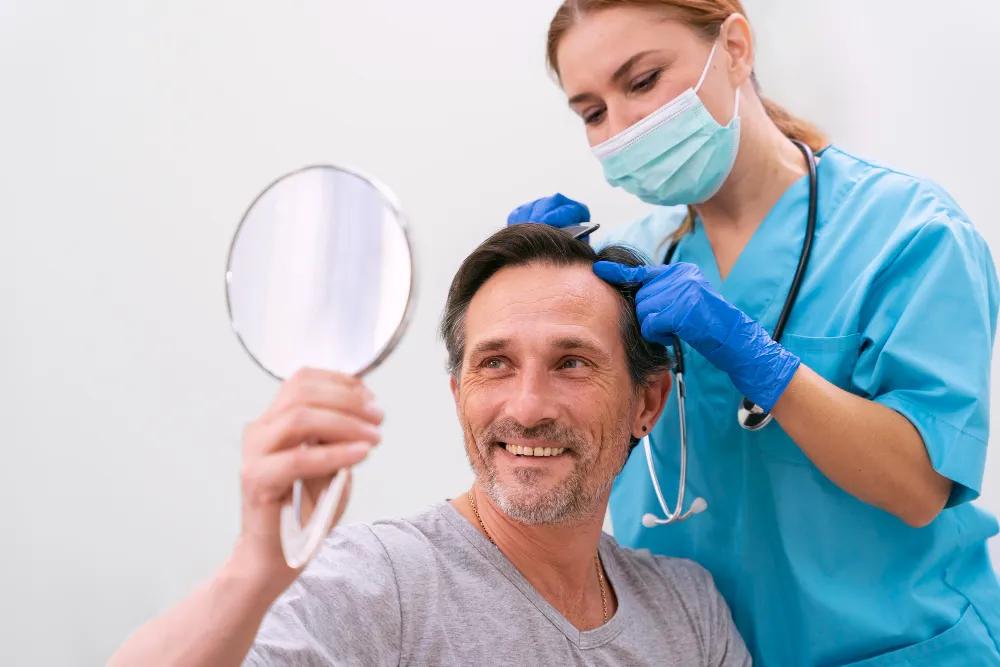
Not every city has a clinic with the experience or reputation a patient is looking for, which is why a fair number of people end up traveling, sometimes across state lines, to get a hair transplant from a specific provider. Flying in for a procedure adds a few logistical wrinkles that don't come up when a clinic is just down the road, and it's worth planning for them ahead of time.
How Much Time to Actually Set Aside
Most patients plan for at least a few days around the procedure itself, not just the day of surgery. The appointment day often runs four to eight hours depending on graft count, and most clinics want to see you briefly the following day for a check-in before you head home. Building in an extra buffer day or two beyond the bare minimum gives you some flexibility if anything about recovery runs slightly differently than expected.
It's also worth arriving a day before the procedure rather than flying in the same morning, especially if you're coming from a different time zone or a long flight. Starting the process well rested tends to make the appointment day itself go more smoothly, and it gives you a cushion in case of flight delays.
Flying After Surgery
Air travel itself isn't usually dangerous after a hair transplant, but there are a few practical considerations. Swelling can be made slightly worse by extended sitting and changes in cabin pressure, so some patients prefer to avoid a same-day flight home and instead travel the next day once the initial swelling has started to settle. It's also worth asking your surgeon directly about any restrictions specific to your case, since recommendations can vary based on graft count and how your procedure went.
Long flights add another consideration worth planning around: extended time in one seated position without being able to lean your head back against the headrest comfortably, since the donor and recipient areas are both still healing. Requesting an aisle seat so you can get up and move periodically, or bringing a travel pillow shaped to avoid resting directly on the back of the head, can make a longer flight noticeably more tolerable.
Protecting the Transplanted Area During the Trip
Whatever mode of transportation gets you home, avoiding direct contact with the scalp matters just as much while traveling as it does at home. A loose, soft hat that doesn't press against the grafts can help if you're self-conscious about the appearance of the donor or recipient area during travel, though many clinics advise against anything tight-fitting in the first several days. Bringing any prescribed medications, written aftercare instructions, and the clinic's contact information with you is worth doing regardless of how you're getting home.
Planning for The Follow-Up Checkpoint
Most clinics schedule at least one in-person check the day after the procedure before clearing you to travel home, and some may want a follow-up appointment weeks later as well. If a return visit isn't practical given the distance, ask upfront whether the clinic offers virtual follow-ups or can coordinate with a local provider near you for anything that needs in-person attention down the line.
Where To Stay
Many patients traveling for a transplant book a hotel within easy reach of the clinic for at least the first night or two, prioritizing convenience over cost given that comfort and lower stress matter more than usual during initial recovery. Some clinics maintain relationships with nearby hotels and can offer recommendations, which is worth asking about during scheduling rather than booking blind.
What To Bring
Beyond the obvious essentials, it helps to pack loose, button-up or zip shirts that don't require pulling anything over your head, a travel pillow if you're flying and want to keep pressure off the back of your scalp, and any medications you take regularly along with whatever the clinic prescribes for recovery. A small cooler bag for ice packs, if your clinic recommends them, can also make the first day or two more comfortable.
Questions Worth Asking Before You Book Travel
Before finalizing travel plans, it's worth confirming a few things directly with the clinic: how many days they recommend staying in the area, what the follow-up schedule looks like, whether virtual check-ins are available afterward, and what to do if a complication comes up once you're back home. Getting clear answers on these points ahead of time tends to make the whole trip feel far less stressful than figuring it out as you go.
Clinics that regularly work with out-of-town and out-of-state patients, like Hair Restoration Specialists in Atlanta, typically have this kind of logistics conversation built into scheduling, so it's worth asking directly how they support patients who are traveling in for their procedure.