

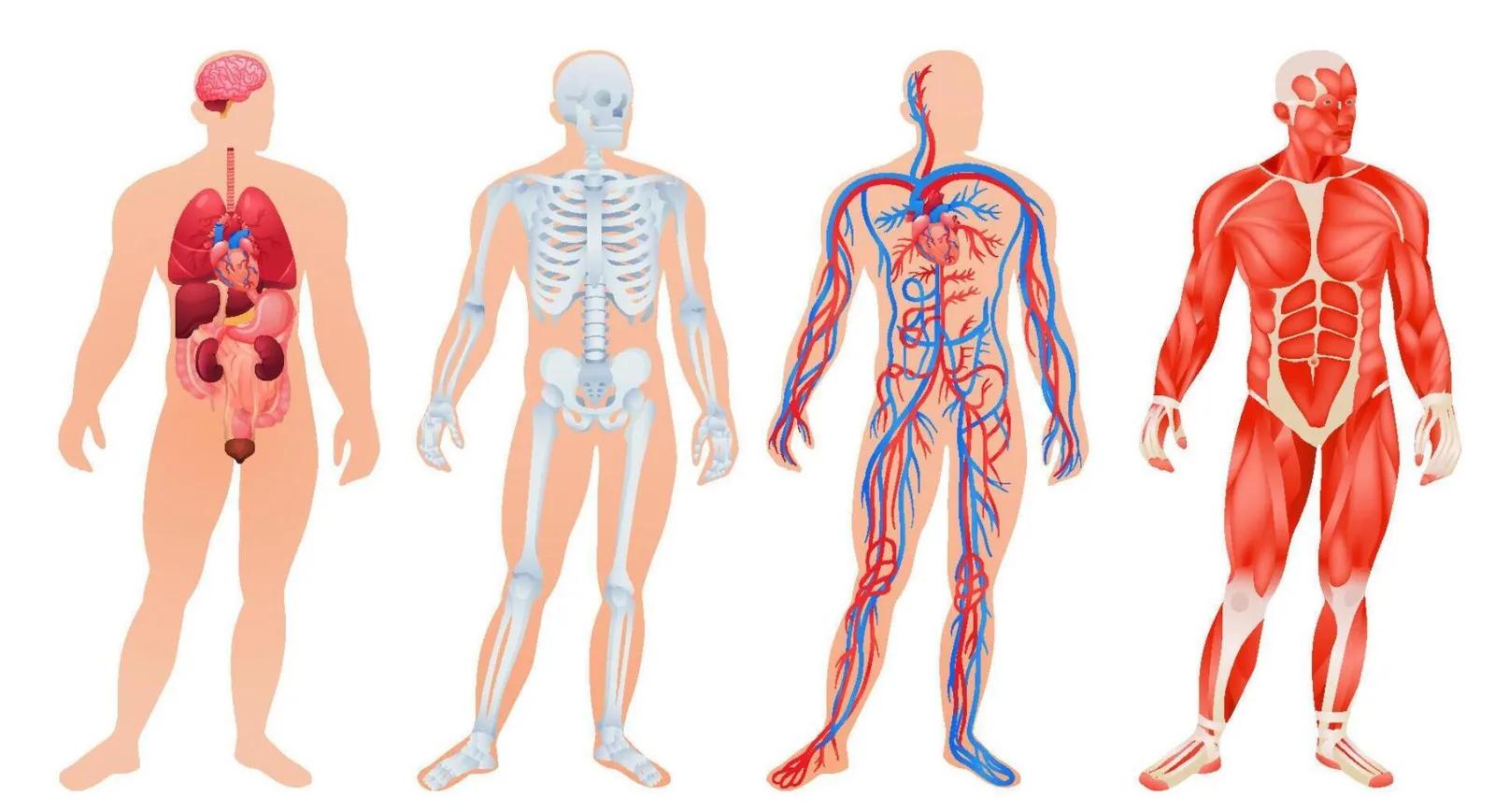
However, health is only partially determined by fitness levels and appearance. However, beneath these external signs sits an intricate internal system that contributes significantly to overall health and wellbeing: the circulatory system. Central to this system are the veins, which transport blood back to the heart after it is distributed throughout the body with oxygen and nutrients. When your veins are healthy, circulation works well, from physical health to mental clarity and emotional poise. When it is disrupted, the effects can resonate across many areas of life.
In final years, there was a growing appreciation of the approach closely vein fitness is associated with standard wellbeing. Instead of recognizing vein conditions as stand-alone problems, healthcare providers now understand that circulation affects energy, movement and even mood. By understanding the relationship between them, it can help empower people to take action toward retaining healthy veins and a happier life overall.
What Do Veins Do to Circulate the Blood?
Blood moves in the body through a network of blood vessels that make up the circulatory system, including arteries, veins and capillaries. Arteries distribute oxygen-laden blood from the heart; veins deliver fuel-depleted blood back to the heart for recirculation. The result is tissues get the nutrients they require, while waste products are reliably removed.
For the lower body, veins have to defy gravity to push blood up. A system of one-way valves keeps blood from flowing back into the heart. Compounding this is how the surrounding muscles, especially in the legs, contraction contributes significantly to pumping blood through veins.
When those valves weaken or become damaged, blood can start to collect in the veins. Such extends the top pressure, leading to dilation and visibility of veins. This process may lead to varicose veins or chronic venous insufficiency over time.
The Symptoms of Poor Circulation
Impaired vein health may present itself in numerous physical signs that can slowly interfere with everyday life. They may also have swelling of the legs or a sensation of heaviness or aching discomfort after prolonged standing or sitting. These symptoms can make it difficult to get through even the simplest tasks.
Circulation might be less efficient and tissue oxygen delivery can decrease. One of the symptoms of compensation is fatigue and a loss or decrease in physical endurance. People who once led an active lifestyle may be avoiding movement due to discomfort or lack of energy.
In more serious cases, decreased circulation may lead to skin changes such as discoloration or ulcer formation. These nuanced complications illustrate the importance of tackling vein health before issues escalate.
The Psychological Effects of Vein Health
It should not be overlooked that the physical signs and symptoms of vein conditions are generally more visible than their emotional impact, which is equally devastating. Chronic pain and limits on mobility can impact mood and overall mental health. Those with lingering symptoms may be frustrated, anxious and less sure of themselves in their daily lives.
Visible vein disorders like varicose veins can similarly affect self-image. For some individuals, cosmetic transformations can affect the level of confidence you carry in public and work. It was a timely reminder about an important part of the picture when it comes to vein health.
Poor circulation can also leave you feeling tired /* fatigue that can negatively impact mental focus and productivity. As the body is working ineffectively, perhaps mental clarity is also diminished, affecting quality-of-life even more.
Lifestyle Factors That Influence Circulation
Modern lifestyles play a crucial role in many cases of circulation problems. Sitting for extended periods, whether at your desk or while traveling, can restrict blood flow and boost pressure in the veins. Likewise, professions that involve extended standing can also put extra pressure on the lower body.
Physical inactivity is also a major risk factor. The muscles responsible for circulation are not utilized as they should be without movement. Over time, this can cause a decrease in blood circulation and an exacerbated susceptibility to vein diseases.
Diet is another important factor for vascular health. Poor nutrition may fuel inflammation or make blood vessel walls weak, whereas a balanced diet can help support circulation overall. Being hydrated matters too, fluid intake keeps blood thickness normal.
As a result, by controlling these lifestyle factors, it will lead to healthier veins and enhance overall health.
Why do you need movement and exercise?
Exercise is one of the most effective means to promote healthy circulation. Movement encourages blood flow and activates muscles that help pump blood back toward the heart. Because these activities are low-impact and easy to fit into day-to-day life, they tend to be the most beneficial, such as walking, swimming or cycling.
Exercise also supports cardiovascular health, aiding the heart as it pumps blood more efficiently. In the long run, this can help alleviate pressure on veins and lead to better circulation.
Even tiny improvements, one-too-many standing breaks to stretch your feet in you-images on the table for long sitting periods, can change a lot. These habits keep blood from collecting in the legs and facilitate ongoing movement through the circulatory system.
Nutrition and Vein Health
A balanced diet is essential to furnish the body with nutrients for sustaining healthy and flexible blood vessels. Rich antioxidant food, such as fruits and vegetables protects the vein from damage due to oxidative stress. Nutrients such as vitamin C aid collagen production, which strengthens walls of veins.
Nuts and olive oil are types of healthy fat that will help cardiovascular health because it helps blood flow. Foods high in fiber help keep the weight off, which lessens strain on the veins.
Keeping hydrated is the other whether one needs circulation, Good hydration keeps blood flowing smoothly, and it avoids putting extra stress on the vascular system.
When to Seek Professional Care
Although lifestyle changes can have a huge impact on circulation, some vein diseases need medical intervention. Swelling, pain or visible changes in the vein that do not resolve should be taken seriously. Prompt diagnosis enables appropriate intervention and helps avert complications.
Heart disease, ACE inhibitors, cardiology, cardiovascular medical management The field of vein medicine has come a long way in modern times. These procedures focus on treating the root cause of abnormal veins, so their function and appearance can be improved.
Some people do need specialized care, and Vein Specialists in Humble offer thorough evaluations and get treatment options tailored specifically for you. It provides patients with access to professional expertise and treatment so that they can better understand their medical situation and how to manage it.
How Circulation Impacts Your Well-Being
The muscular system protects vital organs and supports healthy circulation, aiding nearly every function in the body. Whether it’s delivering oxygen, reducing appetite or maintaining energy levels, efficient blood flow is vital to physical and mental well-being. When veins work well, people are more likely to feel energetic and involved in life.
On the other hand, inadequate circulation can lead to a cycle of pain, lethargy and low activity. This can have an effect not just on physical health but also one’s emotional wellbeing and overall life satisfaction.
Understanding that vein health is instrumental in overall wellness fosters a more holistic view towards well-being. And by protecting the circulatory system, they can help their whole body and better their lives.
Building a Healthier Future
You do not have to make drastic changes to the way you live in order to keep your veins healthy. Actually, small pieces of routine can add up big to the future. All of these things contribute to circulation being better too: remaining active, eating a balanced diet, reducing stress in your life and seeing a doctor if you must.
Increasing awareness of vein health is leading to more individuals understanding its impact on overall wellbeing. This change in outlook underscores the significance of preventive care and early intervention.
Focusing on circulation is a critical aspect of leading a more healthful and satisfying life.
Conclusion
The relationship between vein health and general health is deep, yet many people do not realize it. Healthy circulation contributes to physical energy, mental clarity, and emotional balance which all are essential pieces of our happy and active life.
That said, healthy veins help us out in much more than just the physical aspect. Recognizing the links and promoting circulation through brain-to-heart coordination, ameliorates health and lifestyle.
Medicine and new structural methods allow to help people with veins health problems. An emphasis on circulation is, ultimately, a move toward living a more vital and well-rounded life.