

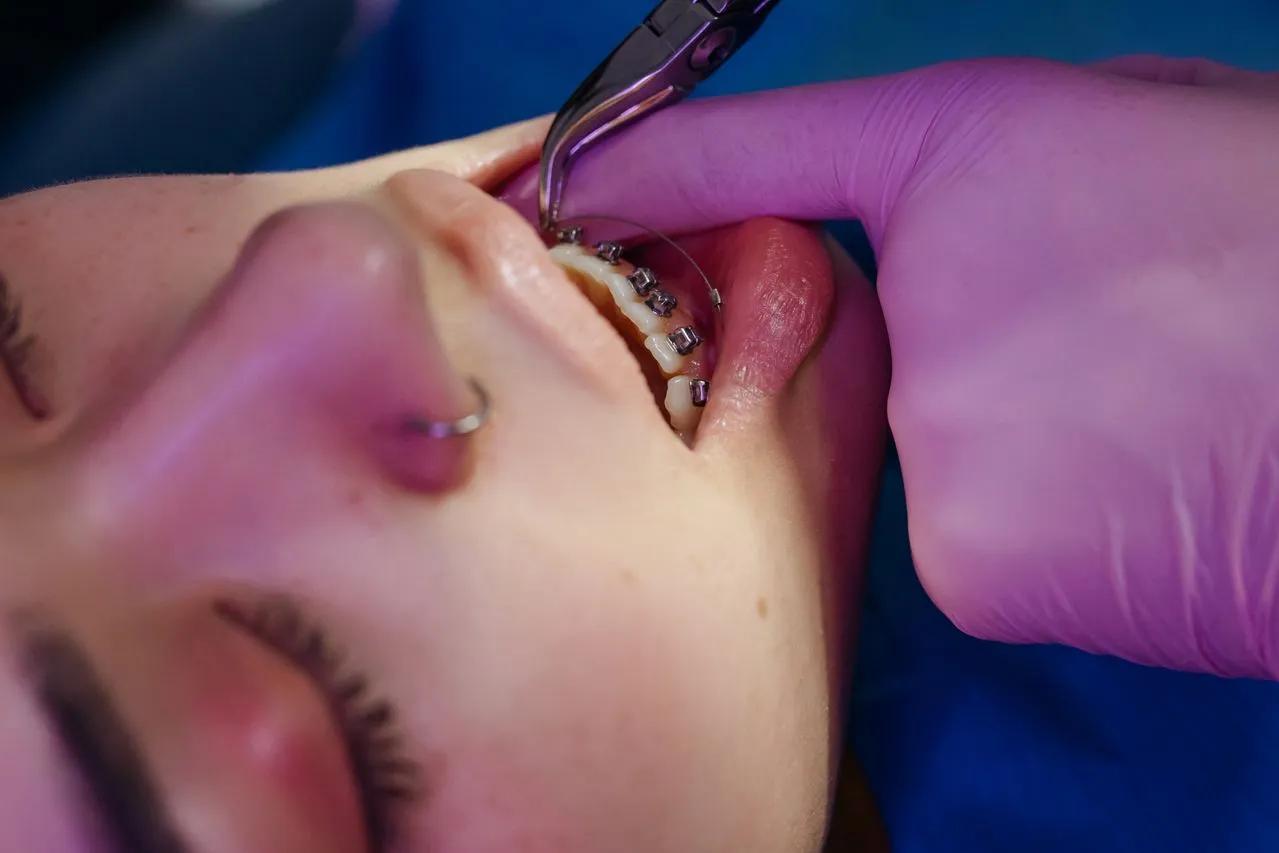
You probably think braces are mostly about straight teeth and a better smile. Fair enough. But they also shape your daily comfort, confidence, habits, and even the way you eat and speak. If you live around the Twin Cities, that conversation feels especially practical, since busy school schedules, sports, and social life don’t exactly pause for orthodontic treatment. Braces can feel like a lifestyle shift, not just a dental appointment.
Oral Hygiene Gets More Serious Fast
Braces are excellent at straightening teeth. They’re also excellent at trapping food in tiny, annoying places. That means your cleaning routine has to level up. Brushing quickly and hoping for the best won’t cut it.
A solid braces-care setup usually includes:
- A soft-bristled toothbrush or electric toothbrush
- Fluoride toothpaste
- Interdental brushes for small spaces
- Floss threaders or a water flosser
- Mouthwash for added protection
You’ll need to clean around brackets and under wires with more patience than before. It sounds tedious because, honestly, sometimes it is. Still, the payoff is huge. Better cleaning reduces the risk of staining, cavities, and swollen gums during treatment.
If you’re comparing options for care, looking into Lake Minnetonka orthodontics can help you understand how braces work in practical terms, including what daily maintenance really involves. Clear expectations make treatment feel much more manageable.
Braces Change More Than Your Smile
When you get braces, the obvious goal is alignment. The less obvious part is how much they touch your everyday routine. You start paying attention to what you chew, how long you brush, and whether popcorn is worth the risk. Spoiler: it often isn’t.
You may also notice changes in how your jaw feels and how easily you clean your teeth. Crooked or crowded teeth can trap food and make brushing a chore. As alignment improves, oral hygiene often gets easier. That matters for your overall wellbeing because gum irritation, plaque buildup, and chronic mouth discomfort can quietly wear you down.
There’s also a mental side. Feeling self-conscious about your teeth can affect how often you smile, talk, or show up confidently in photos. Orthodontic treatment often supports emotional comfort just as much as physical health.
Eating With Braces Becomes a Real-Life Skill
Food is one of the first areas where braces make their presence known. Hard, sticky, and overly crunchy snacks can damage brackets or wires, so your usual go-to choices may need a reset. That doesn’t mean every meal becomes bland cafeteria science. It means you get strategic.
A braces-friendly routine usually includes foods like:
- Yogurt, smoothies, and oatmeal
- Pasta, rice, and soft cooked vegetables
- Eggs, fish, and tender chicken
- Bananas, berries, and softer fruits
- Soup, mashed potatoes, and mac and cheese
For teens especially, school lunches and after-practice snacks become important planning points. If you play sports or have a packed schedule, carrying a small kit with a toothbrush, floss picks, and orthodontic wax can save your day. A broken bracket in the middle of algebra or right before a game is not exactly elite time management.
Confidence Can Shift in Subtle and Big Ways
A lot of people assume braces lower confidence at first and improve it later. Real life is more mixed than that. Some people feel awkward for a few weeks, especially when speaking or smiling. Others feel relieved immediately because treatment means they’re finally fixing something that has bothered them for years.
Confidence during orthodontic treatment often changes in stages:
- Early adjustment: self-awareness and mild discomfort
- Mid-treatment: routine settles in and progress becomes visible
- Final stretch: excitement builds as the end result comes into view
You may catch yourself smiling differently once your teeth start moving into place. That shift can affect social interactions more than people expect. School presentations, job interviews, dating, and everyday conversations often feel easier when you’re not mentally editing your smile.
That emotional lift isn’t superficial. It can influence how openly you communicate and how comfortable you feel in your own skin.
Speech, Sleep, and Jaw Comfort Matter Too
Braces can affect parts of wellbeing that don’t always get enough attention. For one, your speech may change briefly, especially right after adjustments. Certain sounds can feel clumsy for a few days while your mouth recalibrates. Most people adapt quickly, though it can be annoying at first.
Jaw comfort is another major factor. Misalignment sometimes contributes to uneven bite pressure, tooth wear, and strain in the jaw area. Orthodontic treatment may help reduce those issues over time, depending on your specific case. It’s not magic, and it’s not a cure-all, but proper alignment can support a more comfortable bite.
There can even be a sleep connection. In some cases, dental structure and jaw positioning play a role in breathing patterns. Orthodontic treatment isn’t always about aesthetics. It can be part of a bigger health picture involving function, comfort, and long-term oral stability.
The Social Side of Braces Is More Manageable Than You Think
You might worry that braces will take over your personality. They won’t. People usually notice them far less than you do. After the first week or two, they become part of your normal look, like glasses or a haircut you weren’t sure about until suddenly it just worked.
The real challenge is handling practical moments socially. Eating wings with friends, posing for pictures, or dealing with food stuck in brackets can feel awkward. A little preparation helps a lot.
Try habits like these:
- Check your teeth after meals when possible
- Keep travel-sized oral care items in your bag
- Use wax if brackets rub during long days
- Choose braces-safe foods at parties and events
- Ask questions during appointments instead of guessing
That last one matters. Orthodontic treatment goes more smoothly when you understand what’s happening and what your role is. Good communication saves stress.
Braces Work Best When You Treat Them Like Part of Your Health
It helps to stop thinking about braces as a cosmetic side quest. They’re part of your health routine. The more seriously you take the daily details, the better the experience tends to be.
That means showing up to appointments, protecting your brackets, cleaning thoroughly, and being realistic about the adjustment period. Some days your mouth will feel sore. Some meals will require diplomacy. Some snacks will be permanently demoted from your life. Tragic, but survivable.
The bigger picture is worth keeping in mind. Straighter teeth can improve bite function, make cleaning easier, and support stronger confidence over time. Those benefits show up in small moments: speaking without hesitation, smiling in photos without overthinking, and getting through the day with less discomfort.
Braces ask for patience, but they also give something back every step of the way. When you look at them through the lens of overall wellbeing, they make a lot more sense than just metal and wires ever could.