

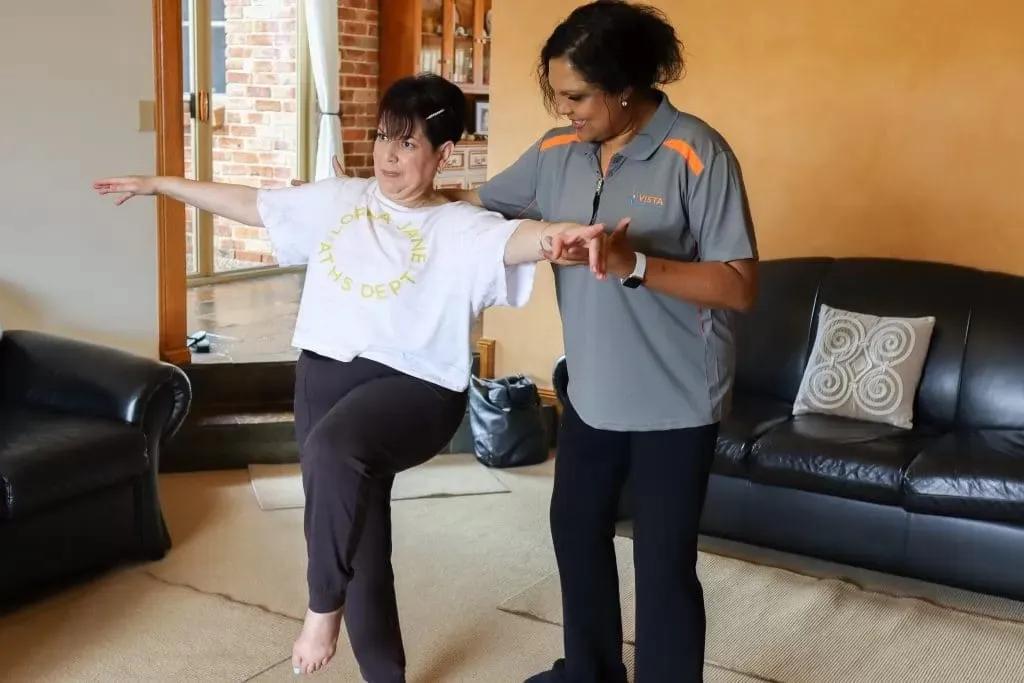
Maintaining mobility and independence is important for people of all ages, particularly those recovering from injury, managing chronic conditions, or experiencing age-related physical changes. Physiotherapy plays a valuable role in supporting movement, strength, balance, and overall physical function. However, attending appointments at a clinic is not always practical for everyone. Individuals who utilise mobile physiotherapy services often find that receiving treatment in their own environment makes healthcare more accessible and convenient.
Mobile physiotherapy brings professional assessment, treatment, and rehabilitation directly to the individual. Whether delivered at home, in an aged care setting, or within the community, this approach helps remove barriers to care while supporting people in maintaining their independence and quality of life.
Physiotherapy Supports Everyday Mobility
Mobility is an essential part of daily living. Activities such as walking, climbing stairs, getting in and out of chairs, and moving around the home all rely on strength, flexibility, balance, and coordination. When mobility becomes limited due to injury, illness, surgery, or ageing, everyday tasks can become more challenging. Physiotherapy aims to improve physical function through targeted exercises, movement strategies, and rehabilitation programs designed to address individual needs.
Common areas physiotherapy may support include:
Walking and movement
Joint mobility
Muscle strength
Flexibility
Functional independence
Improving mobility can help individuals participate more confidently in daily activities and community life.
Home-Based Care Improves Accessibility
Travelling to appointments can be difficult for some individuals, particularly those with mobility limitations, chronic pain, neurological conditions, or transportation challenges. In some cases, the effort required to attend appointments may discourage ongoing participation in therapy. Mobile physiotherapy helps overcome these barriers by delivering care directly to the person's location. Receiving treatment at home can reduce travel-related stress and make it easier to maintain regular appointments.
Improved accessibility often supports greater consistency in rehabilitation programs. Regular participation allows treatment plans to be monitored and adjusted according to individual progress. Removing obstacles to care helps more people access the support they need.
Familiar Environments Support Practical Rehabilitation
One of the unique advantages of mobile physiotherapy is that treatment takes place within the environment where individuals perform their everyday activities. This allows therapists to assess how a person moves within their own surroundings. Home-based rehabilitation can focus on practical tasks and challenges that are directly relevant to daily life. Therapists may identify environmental factors that influence mobility and recommend strategies to improve safety and independence.
Treatment within familiar environments may include:
Walking assessments
Transfer practice
Balance training
Home safety recommendations
Functional movement exercises
Addressing real-world situations can help make rehabilitation more relevant and meaningful.
Strength and Balance Play Important Roles
Maintaining strength and balance becomes increasingly important throughout life. Reduced muscle strength and balance difficulties can affect confidence, mobility, and participation in everyday activities. Physiotherapy programs often include exercises designed to improve physical stability and movement control. These exercises may be tailored to the individual's goals, abilities, and health conditions.
Improving strength and balance can support greater independence while helping individuals continue participating in activities they enjoy. Building confidence in movement is often an important part of successful rehabilitation. Consistent exercise and professional guidance can contribute to improved physical function over time.
Physiotherapy Supports Recovery After Injury or Surgery
Recovering from injury or surgery often requires structured rehabilitation to help restore strength, movement, and function. Physiotherapy plays a key role in guiding this recovery process. Mobile physiotherapy allows individuals to receive treatment without the added challenge of travelling while recovering. This can be particularly beneficial during the early stages of rehabilitation when mobility may be limited.
Physiotherapy may assist with:
Post-surgical rehabilitation
Joint replacement recovery
Musculoskeletal injuries
Mobility restoration
Functional training
Early and consistent rehabilitation can support a smoother return to daily activities.
Falls Prevention Is an Important Focus
Falls can significantly affect confidence and independence, particularly for older adults. Many falls occur due to a combination of factors such as reduced strength, balance difficulties, environmental hazards, and mobility limitations. Physiotherapists often assess factors that may contribute to falls and develop programs aimed at improving stability and reducing risk. Home visits also provide opportunities to identify potential safety concerns within the living environment.
Falls prevention strategies may help individuals remain active while maintaining confidence in their ability to move safely. Supporting safe mobility contributes to greater independence and quality of life. Preventative approaches can be valuable for maintaining long-term physical wellbeing.
Ongoing Support Encourages Long-Term Independence
Maintaining independence often requires ongoing attention to physical health and mobility. Physiotherapy is not only focused on recovery from injury but also on supporting long-term function and participation in daily activities. Regular physiotherapy reviews can help individuals manage changing needs, monitor progress, and continue working towards personal goals. Ongoing support allows treatment plans to evolve as circumstances change.
By promoting movement, strength, confidence, and physical function, physiotherapy helps individuals remain engaged in the activities that matter most to them. Long-term support contributes to improved wellbeing and greater independence. Remaining active is an important part of maintaining health and quality of life at every stage.
Conclusion
Mobile physiotherapy helps people stay active and independent by delivering professional rehabilitation and movement support directly to their homes and community settings. This approach improves accessibility while allowing therapy to be tailored to real-world environments and everyday activities.
From improving mobility and balance to supporting recovery after injury or surgery, physiotherapy provides valuable tools for maintaining physical function and confidence. Home-based care also helps remove barriers that may otherwise limit access to treatment. As more people seek convenient and personalised healthcare solutions, mobile physiotherapy continues to play an important role in supporting independence, rehabilitation, and long-term wellbeing.