

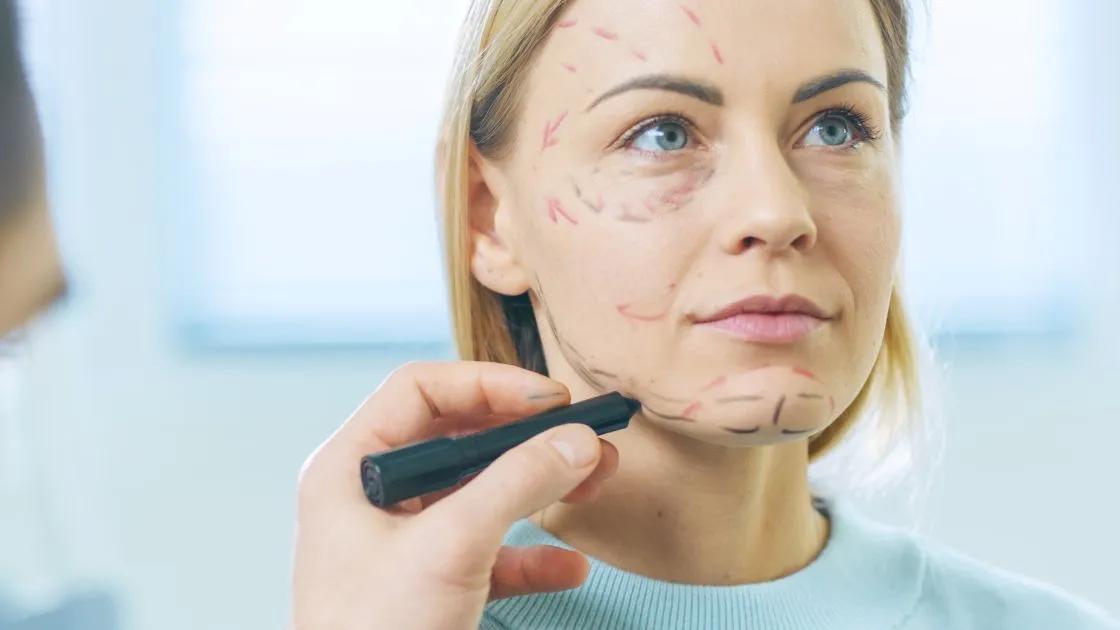
Aging shows up in the face in ways that skincare alone can’t always fix. Over time, facial aging leads to looser skin, deeper creases, and changes in facial volume that may make you look more tired or older than you feel. These visible signs of aging often develop gradually, which is why many people don’t notice how much has changed until photos or mirrors start telling a different story.
Facelift surgery is designed to address these concerns at their structural level, not just on the surface. Still, it isn’t a one-size-fits-all solution, and it’s not always the first or best option for every concern.
Understanding how facial plastic surgery works, what it can realistically improve, and who tends to benefit most can help you decide if this cosmetic procedure aligns with your goals.
What Can a Facelift Actually Treat?
A facelift focuses on repositioning and supporting facial soft tissues that have shifted downward with age. Skin laxity, weakened muscle tone, and stretched facial retaining ligaments all contribute to sagging along the cheeks, jawline, and neck. A surgical procedure allows these deeper structures to be lifted and secured, which creates a more refreshed appearance without relying on skin tension alone.
Not every aging concern requires a full traditional facelift. For mild to moderate changes, a mini facelift can be a great option for patients who don’t need a dramatic change and want improvement along the lower face and jawline with a shorter recovery process. This approach still addresses underlying muscle layers while limiting incision length and downtime.
Facelift surgery doesn’t directly target fine lines or surface texture. Issues such as skin loss, uneven tone, or sun damage often respond better to resurfacing techniques like laser skin resurfacing or RF microneedling. That’s why a thoughtful evaluation matters before moving forward.
Different Facelift Techniques and How They Compare
There are several facelift techniques, each designed to address specific aging patterns and levels of tissue laxity:
Traditional Facelift: Typically treats the midface, lower face, and neck. This option works well for advanced facial aging where sagging skin, jowls, and deeper folds are more pronounced.
Deep Plane Facelift: Releases and repositions deeper facial muscles and ligaments in one continuous layer. By working beneath the musculoaponeurotic system (SMAS), this technique supports more natural movement and longer-lasting results. It often improves nasolabial folds and cheek descent more effectively than surface-level approaches.
SMAS Facelift: Focuses on tightening and repositioning the SMAS layer separately from the skin. Variations such as SMAS application provide structural support without extensive dissection, making them suitable for certain patients.
Combination Procedures: Some patients benefit from pairing a facelift with a neck lift, brow lift, eyelid surgery, or lip lift. These procedures can address the platysma muscle, facial muscles around the eyes, or excess skin beneath the chin.
Because each technique targets aging at a different structural level, the best approach depends on how facial tissues have changed over time. The extent of sagging, volume loss, and muscle involvement all influence which method delivers the most balanced outcome.
Who May Be a Good Candidate for Facelift Surgery?
You may be a good candidate for facelift surgery if you have:
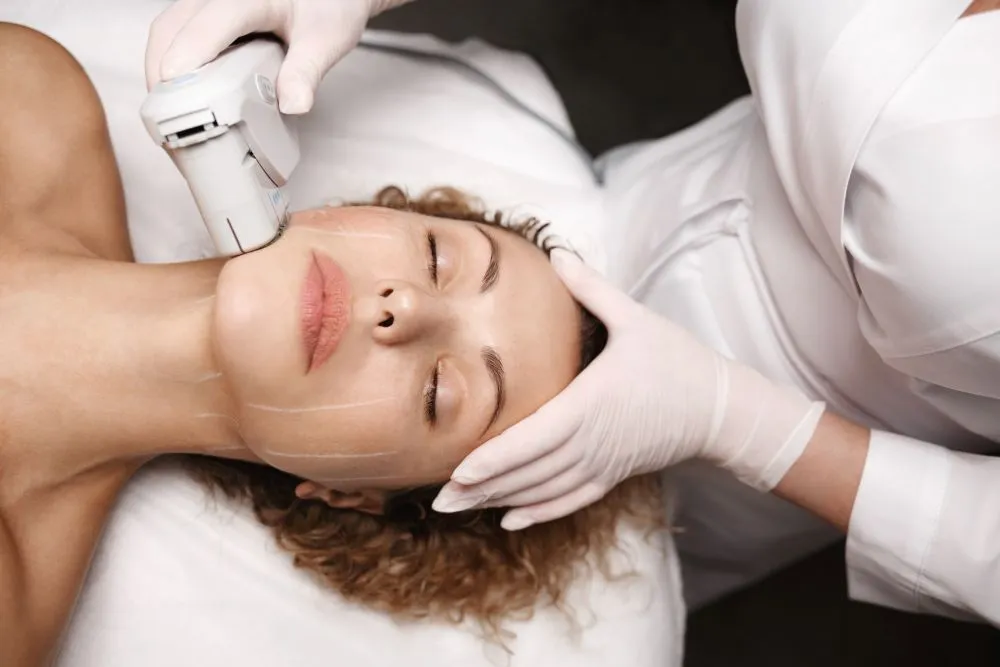
Sagging skin, jowls, or neck banding that no longer responds to dermal fillers, Botox injection, or ultrasound skin tightening
Structural facial aging that involves weakened facial retaining ligaments and shifting muscle layers
Good overall health and the ability to follow post-op care instructions
Realistic expectations about results, recovery time, and long-term outcomes
A consultation with a board-certified facial plastic surgeon helps clarify whether facelift surgery or a less invasive cosmetic surgery option makes sense.
Anesthesia, Surgical Setting, and Safety Considerations
Facelift surgery may be performed under general anesthesia, local anesthesia, or intravenous sedation, depending on the extent of the procedure and the patient's needs. The surgery takes place in a fully equipped surgical suite with monitoring throughout the operation.
Safety depends heavily on how the surgery is performed and who’s performing it. Complications are uncommon, but they can include infection, nerve injury, or healing issues related to drainage tubes or skin closure. During the procedure, careful work around the facial soft tissues, facial muscles, and facial retaining ligaments helps preserve natural movement and expression.
Recovery Timeline and What to Expect After Surgery
Recovery looks a little different for everyone and depends on the technique used and whether other procedures were done at the same time. Most patients spend a brief period in a recovery area after surgery and return home the same day. Swelling and bruising are expected early on, and the face may feel tight or firm as the tissues settle.
In some cases, temporary drainage tubes are used to reduce fluid buildup, especially when a neck lift is included. Stitches are typically removed within one to two weeks. Many patients feel comfortable resuming light daily activities around the two-week mark, though visible swelling can take longer to fully resolve. Subtle healing continues over the following months as the face softens and your radiant facial appearance becomes more apparent.
Ultimately, careful post-op care impacts how smooth the recovery goes. Following activity restrictions, caring for incisions properly, and keeping follow-up appointments all help support healing and protect the long-term results of your facial rejuvenation.
Deciding if a Facelift Is Right for You
A facelift can be a powerful option for addressing advanced signs of aging that non-surgical treatments can’t correct. By improving facial soft tissues, muscle tone, and skin positioning, it offers long-lasting rejuvenation. The best results come from personalized planning, proper timing, and an experienced surgeon. Understanding your concerns, recovery commitment, and long-term goals helps determine whether facelift surgery fits into your approach to facial rejuvenation.