

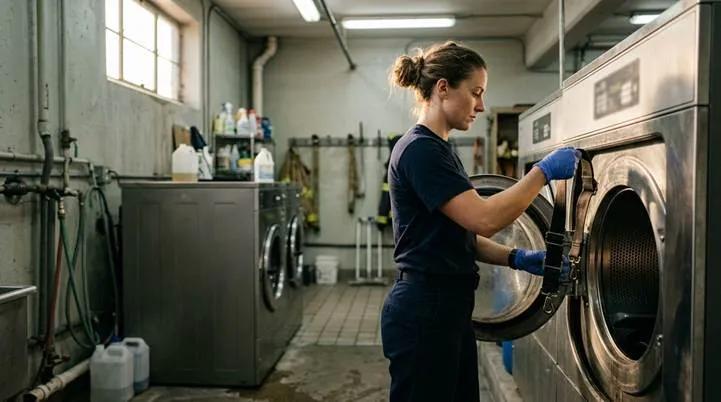
Properly cleaning gear is a critical, non-negotiable step in modern firefighter safety protocols.
The talk around firefighter health has changed a lot. We now know that the risks don't end when the fire is out. Cancer-causing materials and other harmful things stick to our personal protective equipment (PPE). Bringing that gear back to the station or home creates a serious health risk over time. This has made us look closely at all our gear, especially things we used just because we always have.
For many years, leather was the main material for many items. But its material has tiny holes that soak up soot, chemicals, and other harmful things, and it is very hard to clean completely. This has led to new materials and better designs for key tools, including the classic fireman radio strap. The goal is no longer just about carrying a radio. It is about lowering how much you're exposed to dangerous stuff over your career.
This focus on safety is key because of where we work. The fireground is the most dangerous part of the job, not just from dangers you can see, but also from harmful things you can't see. According to injury data published by the U.S. Fire Administration (FEMA), 42% of firefighter injuries reported in 2017 happened on the fireground. Your gear needs to work well there and be easy to clean later.
Quick answer: A modern radio strap should be seen as safety gear, not just an accessory. The main things to think about are its material, which needs to be easy to clean, and how it's built, which must keep the radio safe and easy to reach when you're working hard.
What's inside
· Why is your material choice a health decision?
. Leather vs. Nylon: Which is the right tool for the job?
. How do you properly size and fit a radio strap?
. Frequently asked questions about radio straps
. Your radio strap is PPE. Treat it that way.
Why Is Your Material Choice a Health Decision?
The material of your radio strap affects your health over time. It decides how well you can clean off cancer-causing materials after a call.
Fires in buildings today create a mix of toxic chemicals. When man-made materials in furniture, electronics, and buildings burn, they release harmful chemicals. These stick to your gear as soot and tiny particles. Materials with tiny holes, like leather, act like a sponge. They don't just get dirty on the outside; they soak up these dangerous things deep inside. This means you are exposed to them long after the fire is out.
Good cleaning is the only way to stop this. However, not all materials can handle the tough cleaning needed for firefighter PPE. Leather can be ruined by the heat and soap in special washing machines used to clean turnout gear. This means firefighters often just wipe the outside of leather straps, which doesn't get rid of the harmful stuff trapped deep inside. This means you might be using dirty gear on every call.
This is why the industry is moving toward materials without holes, like strong nylon. These fabrics are made to keep liquids out and to handle the same cleaning as the rest of your PPE. A strap you can put in the washer is a strap you know is really clean. This matches the safety rules for the rest of your gear. This turns a risk into a safe piece of equipment.
❝ When looking at a new strap, ask the seller for cleaning instructions and any test results. If they say "spot clean only," it's not modern safety gear. The instructions should be clear and match NFPA 1851 rules for cleaning PPE.
Leather vs. Nylon: Which Is the Right Tool for the Job?
The best material for a radio strap is one that is both tough on the job and easy to clean completely.
For a long time, leather was the only choice. It is strong and shapes to your body over time. However, its natural, hole-filled material makes it a big health risk for firefighters today. This is a serious problem. A multi-year study by the Centers for Disease Control and Prevention (CDC) and the National Institute for Occupational Safety and Health (NIOSH) found that firefighters have a 9 percent higher risk of being diagnosed with cancer than the general U.S. population. Dirty gear is a main way firefighters get exposed.
Man-made materials like strong nylon are made for today's safety rules. They don't have holes and can handle the same tough cleaning as turnout gear. This makes it important to compare them when deciding what to buy.
Feature | Traditional Leather | Modern Technical Nylon |
Cleaning | Poor. Can't be machine washed. Wiping the outside leaves harmful stuff trapped inside. | Excellent. Made for machine washing, which cleans it completely. |
Toughness | High, but needs care. Can dry out, crack, or stretch when it gets wet. | Very high. Resists scrapes, chemicals, and water. Does not stretch. |
Break-in Period | Long. Can be stiff and uncomfortable for a while. | None. It's flexible and ready to use right away. |
How it handles weather | Soaks up water, gets heavy, and can stretch or rot if not dried well. | Pushes water away. It dries fast and keeps its shape. |
Weight | Heavier, especially when wet. | Much lighter. This helps you feel less tired on a long shift. |
Besides the material, how the strap is made decides how well it works under pressure. Look for strong thread, like Kevlar, that won't break down from heat or chemicals. The metal parts should be strong, with buckles that won't break if they get caught on something.
❝ Ask a seller if their nylon gear is "Berry Compliant." This is a government rule that means the materials are made in the USA. It's not a fire department rule, but it often means the product is well-made, since the military trusts these materials.
In the end, the choice shows what a department cares about most. A strap that can't be cleaned with your other gear is a weak link in fighting cancer.
How Do You Properly Size and Fit a Radio Strap?
A good fit isn't just about comfort. It's about safety and how well it works when you're on a call. A strap that doesn't fit right can be a problem. It can get in your way or get caught on things. The right length keeps your radio easy to reach but safe, no matter what you're doing.
The most common mistake is measuring for a strap while wearing a station shirt. You need to measure while wearing all your gear, including your air pack if you wear it under your coat. Use a soft tape measure. Run it from your hip (where the radio will be), across your chest, to the top of the other shoulder. This measurement is your starting point. Most makers offer standard and extra-long sizes. Pick the size that puts your measurement in the middle of its adjustable length. This lets you make small changes to the fit.
Once you have the strap, put the radio holder so the bottom of the radio is just above your hip. This keeps the radio from swinging around when you move. It also keeps it out of the way of your arms and your air pack straps. A good rule of thumb is that the top of the radio holder should be about a fist's width above your belt line. The strap itself should lie flat across your chest and shoulder, without twisting or digging in.
❝ Before using a new strap on a call, test the fit. Move around like you would on the job. Put on a pair of work gloves. Can you key the mic and change channels without looking down? Can you bend, crawl forward, and crawl backward without the radio swinging and hitting you or getting stuck? If the radio moves too much, the strap is too long. If you can't move your arm or shoulder easily, it's too short.
A strap that fits badly causes problems on a fire scene. A strap that's too long lets the radio swing. It can hit things or get caught on debris, wires, or ladders. A strap that's too tight can make it hard to reach, mess with your mask's seal, or get stuck under your air pack straps. Taking a few minutes to get the size right stops these problems when you need to focus.
Frequently Asked Questions About Radio Straps
What is the main purpose of a firefighter radio strap? A radio strap has three main jobs: safety, comfort, and keeping your gear safe. It keeps your hands free for tools and helping people, spreads out the radio's weight so you get less tired, and holds the radio to your body. This stops it from being dropped, lost, or caught on things during important jobs like search and rescue.
Can I buy my own firefighter radio strap? Yes, firefighters often buy their own straps to get a better fit or features their department's straps don't have. Before you buy, check your department's rules on using your own gear. Some departments have rules about materials to make sure everyone's gear is similar and safe.
Do major departments like the FDNY use radio straps? Equipment policies vary by department and change over time, but many firefighters in large, busy departments carry their radios on straps, whether issued or personally owned. Using the same strap system means everyone carries their radio in the same place. This helps you find it without thinking and makes talking on the radio easier when it's stressful and hard to see.
What is an anti-sway strap and do I need one? An anti-sway strap is a short, extra strap that connects your radio holder to your belt or pants. It stops the radio from swinging around when you move. It's a great add-on that keeps the radio stable and stops it from getting caught on things.
How often should I inspect my radio strap? You should give your strap a quick look before every shift. Check it more closely after a big call or after you clean it. Look for worn spots like loose threads, cracked metal parts, or color changes that could mean it was damaged by heat or chemicals. On nylon straps, look for melted spots. On leather, look for deep cracks or stiffness, which means it could break.
Your Radio Strap Is PPE. Treat It That Way.
Choosing a radio strap is now more than just picking between leather and nylon. It's an important choice about your safety gear and your health. The main question isn't about tradition or looks anymore. It's about whether you can really get it clean. A strap that can't be washed with your turnout gear is a weak link. It brings harmful stuff back to you long after a fire is over.
This changes how we decide what makes a good strap. Toughness, fit, and material all need to be looked at with safety in mind. A good fit isn't for comfort; it stops dangerous snags and makes sure you can reach your radio when you need it. A material without holes pushes away cancer-causing chemicals instead of soaking them up. Strong metal parts can handle the fire scene without breaking. These are not extras; they are safety needs for today's first responders.
In the end, every piece of gear you carry either protects you or adds a new risk. By choosing a strap that can be cleaned well and works under pressure, you choose to lower your risk and be better prepared for the job. All personal gear should meet that standard.