

Key Highlights
Orthodontic retainers are crucial for maintaining your new smile after braces or clear aligners.
Teeth have a natural tendency to shift back to their original positions, a process called orthodontic relapse.
Consistent retainer use, including a permanent retainer, is the only effective way to prevent this relapse and protect your investment.
There are two main types of retainers: removable and fixed, each with its own advantages.
Proper care and cleaning of your retainer are essential for its longevity and effectiveness.
Following your orthodontist's instructions on retainer wear ensures your smile stays straight for a lifetime.
Introduction
Congratulations on finishing your orthodontic treatment! Your braces are off, and you can enjoy your new smile. However, to maintain your results, it’s essential to wear an orthodontic retainer, including removable options. This final step protects the smile you’ve worked hard to achieve.
The Role of Orthodontic Retainers After Braces
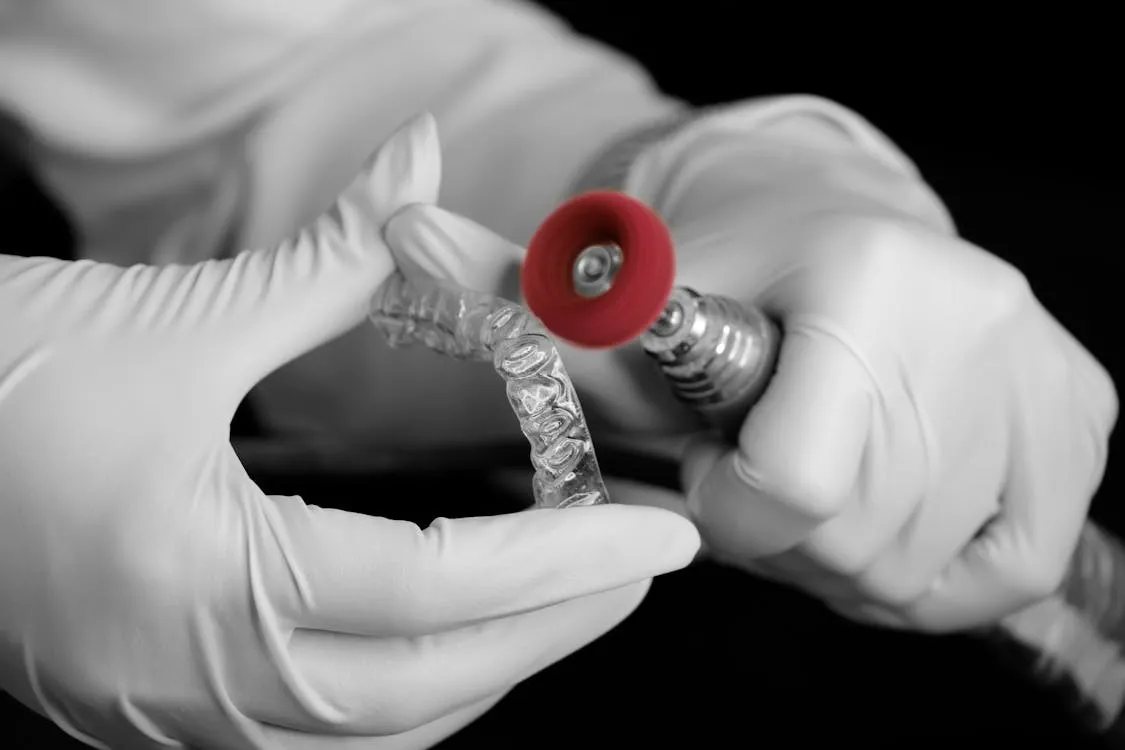
After orthodontic treatment, retainers are essential. These custom-made devices keep your teeth in their new positions while the bone and tissues adjust. Without retainers, teeth can shift back—known as orthodontic relapse.
Orthodontic retainers are like insurance for your smile, ensuring your results last. Let’s look at why they’re so important and how they keep your smile aligned.
Why Retainers Are Essential Post-Treatment
After your braces are removed, your teeth aren’t fully stable and need time to adjust to their new positions. Retainers hold your teeth in place full-time during this critical period, allowing the surrounding ligaments and bone to adapt.
Without a retainer, your teeth will naturally shift back toward their original spots, especially from daily activities like chewing and talking.
Consistently wearing your retainer as instructed by your orthodontist is essential to maintain your straight smile and protect the results of your orthodontic treatment.
How Retainers Prevent Orthodontic Relapse
Retainers apply gentle, consistent pressure to keep your teeth from shifting after braces. As the bone and tissues adjust to your new tooth positions and potentially return to their old positions—a process that can take months—retainers hold your teeth in place, helping these structures stabilize.
Wearing your retainer as directed prevents unwanted movement and protects your orthodontic results. This simple habit ensures your smile stays straight and maintains a beautiful smile for years to come, preserving your investment and hard work.
Understanding Orthodontic Relapse
Orthodontic relapse refers to teeth shifting back toward their original positions after treatment. Even perfectly aligned teeth aren’t permanently fixed and can move due to natural forces in your mouth.
Recognizing this risk is key to prevention. Once traditional braces are removed, it’s up to you to maintain your new smile. Understanding the causes of relapse and the importance of wearing your retainer can help you protect your results.
What Causes Teeth to Shift After Braces
Teeth shift after orthodontic treatment mainly due to the "memory" in the elastic fibers of your gums and soft tissues. These tissues were stretched during treatment and naturally try to pull teeth back to their original positions, making relapse inevitable without a retainer to maintain their new alignment.
Other factors include:
Late Growth: Jaw growth into your twenties can change your bite and shift a patient’s teeth.
Wisdom Teeth: Erupting wisdom teeth can push neighboring teeth, causing crowding.
Everyday Pressures: Chewing, grinding, and speaking put constant pressure on teeth, leading to gradual movement.
Without a retainer, some degree of relapse is almost certain. Only a retainer can maintain your results against these forces.
Consequences of Not Wearing Retainers
If you stop wearing your retainer after braces, your teeth can quickly start to shift—sometimes within weeks—undoing months or years of orthodontic work, especially after active treatment ends.
Long-term consequences include:
Teeth Shifting Back: Your teeth may gradually return to their original positions.
Need for Re-treatment: Severe shifting could require additional orthodontic care treatment, costing more time and money.
Loss of a Confident Smile: You risk losing the straight smile you worked hard to achieve.
Wearing your retainer consistently helps maintain your results and protects your investment in your smile.
Types of Orthodontic Retainers and Their Effectiveness
To keep your straight smile, you can choose between fixed and removable retainers. This type of retainer includes fixed retainers that are bonded to your teeth, while removable ones, like clear retainers, can be taken out as needed. Consistent use is key for any retainer to work effectively.
Your orthodontist will suggest the best option based on your treatment. Knowing the differences helps you make an informed choice for post-treatment care.
Removable vs. Fixed Retainers
Choosing between removable and fixed retainers depends on your lifestyle, orthodontic needs, and preferences. A fixed retainer is a thin metal wire bonded behind your front teeth (usually lower), working 24/7 with no effort from you.
Removable retainers—like Hawley wire retainers (wire and acrylic) or clear aligner-style—can be taken out for eating and cleaning, but only work if worn as directed.
The best retainer is the one you'll use properly; both prevent relapse when used as instructed.
Feature | Removable Retainers | Fixed Retainers |
Visibility | Hawley retainers are visible; clear types are nearly invisible | Completely hidden behind teeth |
Convenience | Removed for eating/cleaning; can be lost | No removal needed; always in place |
Oral Hygiene | Normal brushing/flossing when removed | Special care needed (e.g., floss threader) |
Responsibility | Requires consistent patient use | Works automatically; no effort required |
Choosing the Right Retainer for Your Smile
Choosing the right retainer is a decision you’ll make with your orthodontist, based on your treatment plan and your unique smile needs. There’s no one-size-fits-all option—your orthodontist will recommend what best prevents relapse for you.
When considering retainers, think about:
Your original orthodontic issues: Severe gaps or rotations may need a fixed retainer.
Your lifestyle: Be honest about how consistently you’ll wear a removable retainer.
Oral hygiene: Decide if you’re willing to clean around a fixed retainer.
The goal is to find a retainer that fits your life and maintains your results. Open communication with your orthodontist ensures you choose the best option for a straight, healthy smile.
Maintenance and Care for Orthodontic Retainers
Like your teeth, your retainer needs proper care to work well and last. Good oral hygiene prevents plaque and bacterial buildup, which can cause bad breath and damage.
Wearing your retainer is only part of the process; regular cleaning is just as important. A clean retainer is more effective and keeps your smile healthy. Knowing how to care for your specific retainer is a simple but vital part of your post-treatment routine.
Best Practices to Keep Your Retainer Working
Care for your retainer by cleaning it daily as part of your oral hygiene routine to support tooth alignment. For removable retainers, gently scrub with a soft toothbrush and mild soap or non-abrasive toothpaste, then rinse with cool or lukewarm water—never hot, as it can warp the plastic.
When not in use, store your retainer in its protective case to prevent loss, damage, or contamination. For fixed retainers, clear options like using a floss threader allow you to floss carefully to clean beneath the wire.
Best practices:
Clean your retainer every day.
Always store it in its case when not wearing it.
Bring it to orthodontic check-ups for inspection.
Conclusion
Orthodontic retainers are essential for maintaining your orthodontic results and promoting oral health. Wearing your retainer as directed keeps your teeth in their new positions and protects your investment. Consistent use and care prevent unwanted shifting and complications. Don’t let your hard work go to waste—contact your orthodontist with any questions or concerns. Your smile deserves the best care!
Frequently Asked Questions
How long do I need to wear my orthodontic retainer?
Your orthodontist will initially recommend wearing your retainer full-time, then switching to nighttime wear for life. Since tooth movement can occur at any age, lifelong nighttime use prevents relapse. Follow your treatment plan and care instructions for your exact schedule.
How can I tell if my teeth are starting to relapse?
A tight retainer after skipping a night is a key sign of orthodontic relapse, indicating your teeth have started to shift. The short answer is, you may also notice subtle changes in alignment or new gaps compromising your straight smile.
What are common mistakes that lead to orthodontic relapse?
The most common mistake is inconsistent retainer use, like skipping nights or not wearing it as prescribed. Other errors include delaying replacement for a lost or broken retainer and neglecting proper care, which can damage it, potentially causing teeth to revert to their previous positions. Your AAO orthodontist can guide you throughout your orthodontic treatment.