

PRP Therapy: The Natural Way to Heal Injuries, Reduce Pain, and Rejuvenate Your Body
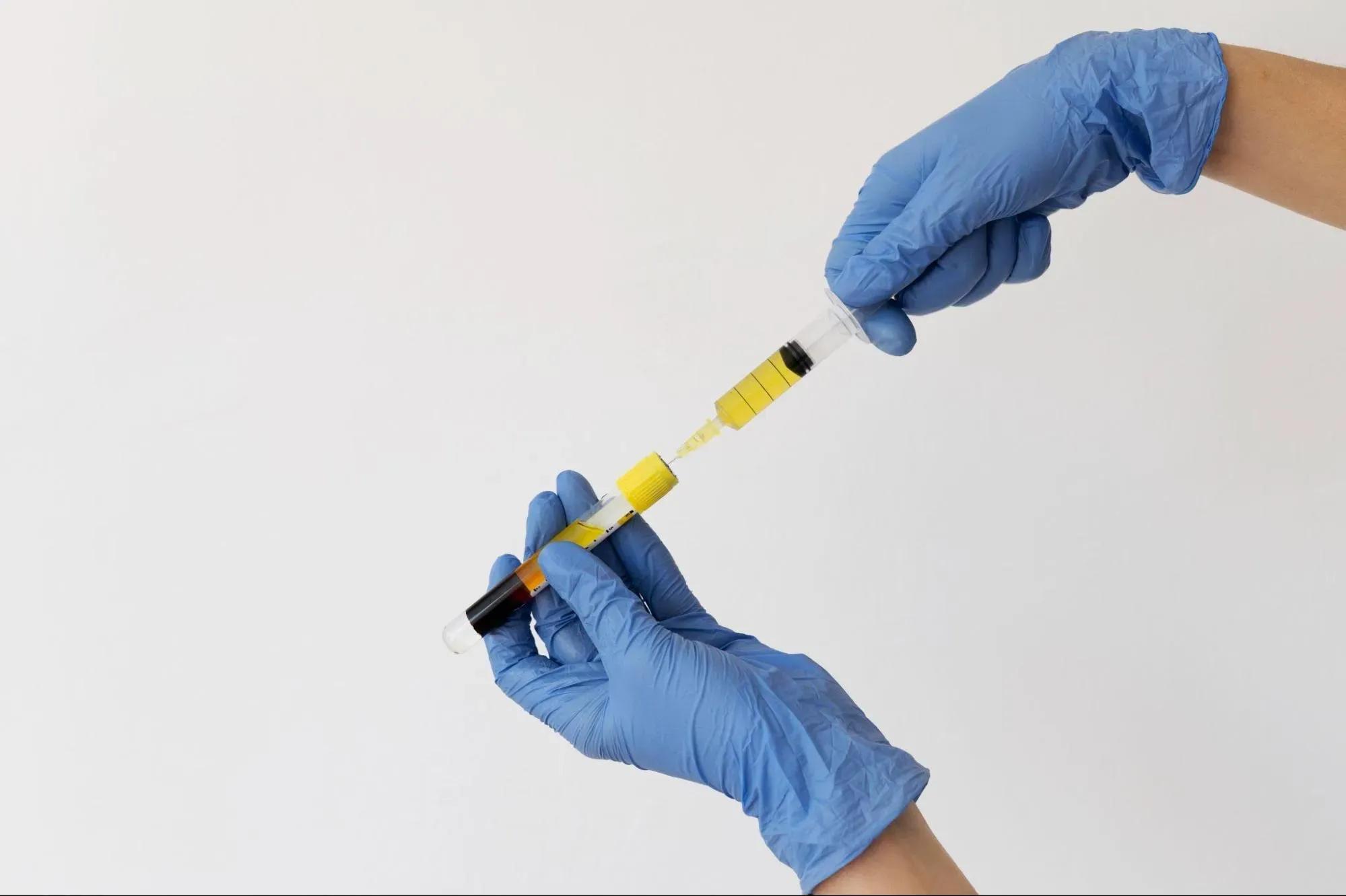
In today’s fast-paced world, injuries, chronic pain, and age-related wear and tear are increasingly common. While conventional treatments often focus on symptom management, many patients are seeking natural, non-surgical solutions that support genuine healing. PRP therapy, or platelet-rich plasma therapy, harnesses the body’s inherent regenerative abilities, offering a cutting-edge alternative to invasive procedures.
By leveraging the healing power of your own blood, PRP accelerates recovery, reduces inflammation, and promotes tissue regeneration. From athletes aiming for rapid recovery to individuals seeking aesthetic rejuvenation, PRP therapy is redefining approaches to wellness.
Understanding PRP Therapy
PRP therapy begins with a simple concept: your blood contains platelets, which are rich in growth factors, proteins that stimulate tissue repair, collagen production, and cellular regeneration. A small sample of blood is drawn and processed in a centrifuge to concentrate these platelets into plasma. This platelet-rich plasma is then injected into the area requiring treatment, whether it’s an injured tendon, joint, or facial tissue.
This process essentially mobilizes the body’s own repair mechanisms where they are needed most. Known as plasma platelet therapy, it offers a natural, non-invasive alternative for promoting healing.
PRP Therapy for Injury Recovery
Recovery from injuries, whether sports-related, accidental, or chronic, can be lengthy and frustrating. PRP therapy accelerates healing by delivering concentrated growth factors directly to damaged tissues. These proteins stimulate cell proliferation, enhance blood flow, and improve collagen synthesis, all critical components of tissue repair.
PRP therapy is increasingly utilized by athletes and physically active individuals to address tendon injuries, ligament damage, and joint degeneration. Evidence from clinical studies and patient outcomes demonstrates that PRP can expedite recovery, improve joint function, and alleviate pain more effectively than many conventional treatments. By harnessing the body’s natural regenerative mechanisms, this therapy provides a sophisticated and reliable option for both acute injuries and chronic musculoskeletal conditions.
Reducing Chronic Pain Naturally
Chronic pain is one of the most challenging conditions to manage. Traditional approaches often rely on medication, which may provide temporary relief but does not address the underlying issue. PRP therapy works differently. By stimulating tissue regeneration and reducing inflammation, it targets the root cause of pain, offering a sustainable, natural solution.
Patients with osteoarthritis, chronic back pain, and tendonitis have demonstrated notable improvements following PRP therapy. Many report enhanced joint function, decreased stiffness, and sustained pain relief, all achieved without the adverse effects often associated with prolonged pharmaceutical use. These results underscore PRP therapy’s role as a scientifically grounded, natural approach to managing pain and supporting long-term musculoskeletal health.
Aesthetic and Rejuvenation Applications
PRP therapy extends beyond injury recovery. The growth factors in platelet-rich plasma stimulate collagen production and tissue regeneration, making it highly effective for aesthetic treatments. In dermatology, PRP can improve skin texture, reduce fine lines, and restore elasticity, providing a natural, youthful glow.
For hair restoration, PRP stimulates dormant follicles, resulting in thicker, healthier hair growth. Many patients observe visible improvements after several sessions, offering a non-surgical alternative to traditional hair restoration methods. Clinics such as Injector Training provide expert guidance on the safe and effective use of PRP for both skin and hair rejuvenation.
What to Expect During a PRP Session
PRP therapy is minimally invasive and typically well-tolerated. The procedure generally includes three steps:
Blood Draw: A small sample of blood is collected, similar to a routine test.
Centrifugation: The blood is processed to isolate the platelet-rich plasma.
Injection: The concentrated plasma is injected into the targeted area using precise techniques.
PRP therapy sessions typically last between 30 and 60 minutes, and most patients are able to resume normal activities shortly afterward. Mild soreness or localized swelling may occur but generally resolves within a few days. The procedure is minimally invasive and designed to be both efficient and well-tolerated, making it a convenient option for patients seeking natural healing and recovery.
Safety and Effectiveness
PRP therapy is generally safe due to its autologous nature, the plasma comes from the patient’s own blood, minimizing the risk of allergic reactions or complications. Side effects are typically mild, including temporary redness, swelling, or discomfort at the injection site.
Effectiveness can vary based on the condition being treated, the injection site, and individual health factors. Nevertheless, studies consistently show PRP can accelerate tissue repair, reduce pain, and improve function. Success relies on the expertise of the practitioner, precise preparation of the plasma, and targeted administration.
Evidence and Real-World Results
Clinical experience and patient testimonials underscore the transformative potential of PRP therapy. Athletes have returned to their sports faster, individuals with chronic joint pain report long-term relief, and patients seeking aesthetic improvements notice subtle but meaningful changes in skin and hair.
For instance, patients with knee osteoarthritis have regained mobility sooner than anticipated, while those experiencing thinning hair have observed progressive growth after a series of PRP treatments. These outcomes demonstrate that PRP therapy is not just a temporary fix. It is a holistic approach to restoring function and vitality.
The Future of PRP Therapy
As regenerative medicine advances, PRP therapy continues to expand into new applications, including wound healing, dental procedures, and complex joint regeneration. Innovations in platelet concentration techniques, combined with adjunctive therapies, are enhancing outcomes and accessibility.
PRP exemplifies a broader trend in medicine: leveraging the body’s innate capacity to heal itself. By understanding and harnessing these regenerative processes, patients can achieve recovery, pain relief, and rejuvenation in a safe, natural, and minimally invasive manner.
Conclusion
PRP therapy, also known as plasma platelet therapy, represents a paradigm shift in healing and wellness by leveraging the body’s own regenerative capabilities. By concentrating platelets and growth factors from a patient’s blood, this approach supports tissue repair, reduces inflammation, and promotes natural recovery. Its non-surgical nature and minimal downtime have contributed to its growing adoption across both medical and aesthetic applications, particularly for managing injuries, chronic pain, and age-related conditions.