

Introduction
Every day aches and discomfort have become increasingly common for many adults in the United States. Long hours at a desk, limited physical activity, aging, repetitive strain, stress, and chronic conditions like diabetes can all contribute to muscle soreness, stiffness, and nerve-related discomfort.
Even active individuals may experience lingering tension after workouts, travel, or physically demanding routines.
As interest in non-invasive wellness approaches continues to grow, red light therapy and LED light therapy have gained attention as supportive options for recovery and relaxation. Wellness clinics, gyms, chiropractors, and at-home users are exploring these technologies as part of broader self-care routines focused on circulation, mobility, and comfort.
Many people are now turning to light therapy devices at home to support muscle recovery, ease everyday discomfort, and maintain overall wellness. While research is still evolving, interest in photobiomodulation continues to expand because of its potential to support the body’s natural recovery processes without medication or invasive treatments.
What Is Red Light Therapy?
Red light therapy (RLT) is a wellness method that employs certain wavelengths of red and near-infrared light to interact with the cells of the body. This is what is commonly known as photobiomodulation, which is used in scientific research to denote how light can affect cellular activity.
In contrast to the ultraviolet (UV) sunlight light, the red and near-infrared light never burns the skin. Rather, these wavelengths are under investigation as they may assist in cellular energy production and recovery.
Scientists consider that these light wavelengths can potentially interact with mitochondria, which can be often described as the energy centers that are located inside the cells. Mitochondria help produce ATP (adenosine triphosphate), which provides the energy the body needs to carry out important cellular functions. There are studies that support the idea that aiding in the production of ATP could be useful in helping cells to work more efficiently, particularly during recovery and repair processes.
In recent years, red light therapy has gained popularity in wellness centers, physical recovery centers, fitness centers and at home wellness programs. The users like the fact that sessions are usually brief, not invasive, and can be easily integrated into everyday routines.
A review in the journal Photomedicine and Laser Surgery talked about how photobiomodulation could help in cellular energy and tissue repair processes via light-based stimulation of mitochondria.
How Red Light Therapy Is Used for Everyday Aches and Recovery Red light therapy is used by many people as part of their recovery and wellness practices in relation to common physical discomforts. Although not all people have the same experience, the red light therapy is commonly linked to post-workout, circulation, and relaxation.
Muscle Soreness After Exercise
The muscles may be tight and fatigued after intense exercise or physical activity. Other studies indicate that red light therapy can be used to assist in the recovery process after exercise by aiding circulation and alleviating temporary muscle pain. Light therapy sessions before or after exercise are sometimes used by athletes and other fitness enthusiasts to facilitate recovery regimens.
The systematic review published in Lasers in Medical Science reported that photobiomodulation had potential advantages in the exercise recovery and muscle performance in some environments.
Everyday Discomfort and Joint Stiffness
Mobility and comfort during the day can be influenced by joint stiffness in such areas as the knees, shoulders, neck, and lower back. The lack of physical activities and repetitive patterns of movement could be the causes of the existing tension and discomfort. Other users consider red light therapy as an extended wellness program that aims at preserving and keeping the body flexible and comfortable.
Circulation Support and Recovery
Proper circulation is also significant in healing and muscular activity. Near-infrared wavelengths are being studied for their potential to help support healthy blood flow and oxygen delivery to tissues.
Improved circulation may contribute to temporary relief and relaxation after physical activity or long periods of sitting.
Many modern wellness devices are designed for targeted support and convenience. For example, the Novaa Light Boot is commonly used for foot-focused recovery and circulation routines, while wearable options like the Glokore Red Light Therapy Wrap are often used around joints, muscles, and areas of everyday discomfort.
Relaxation and General Wellness
Some individuals also use red light therapy sessions as part of relaxation routines. The gentle warmth and convenience of wearable devices may help encourage consistency in daily wellness habits, particularly for people balancing busy schedules and physical stress.
Can Red Light Therapy Support Nerve Wellness?
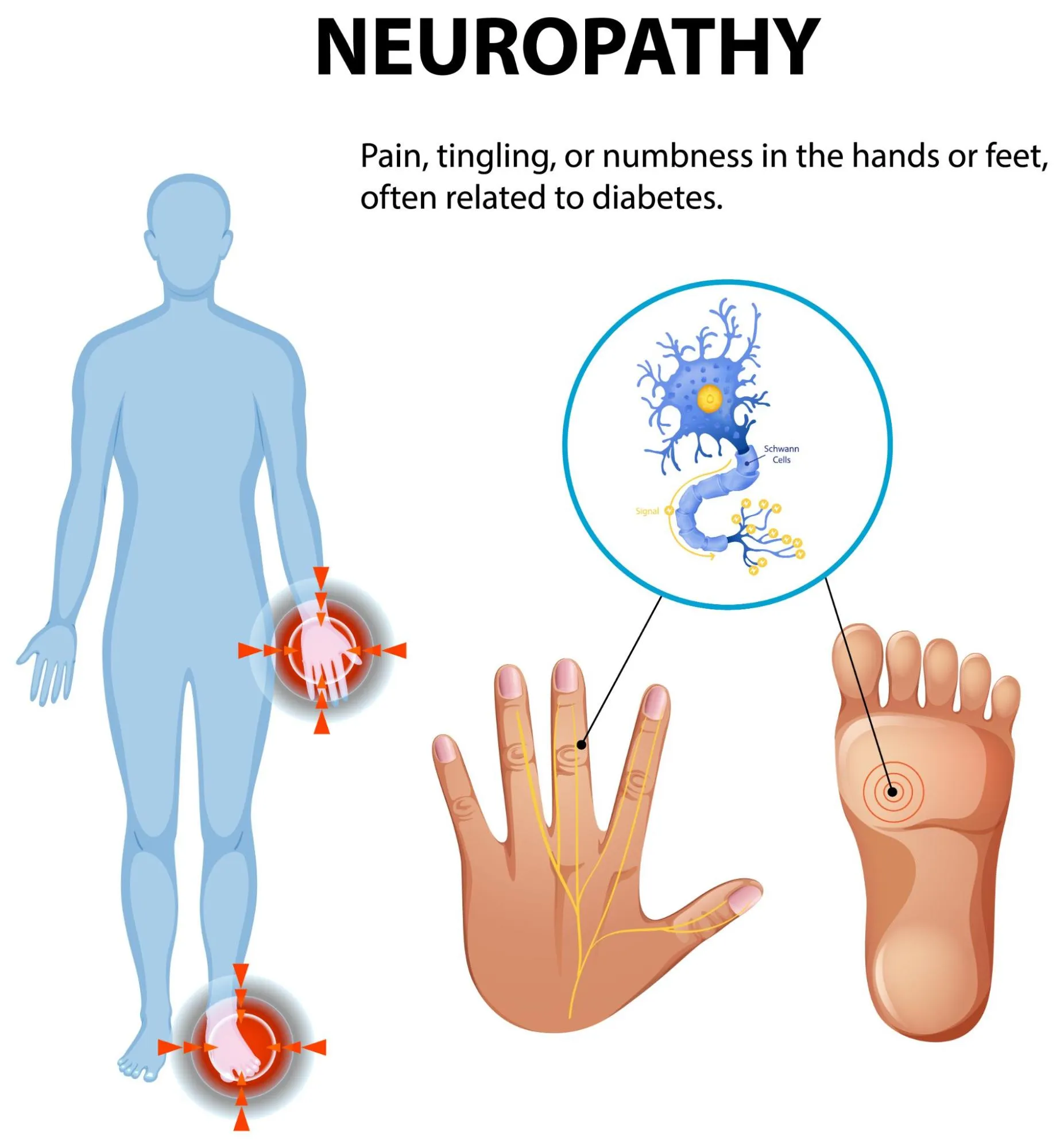
Nerve discomfort can appear in several ways, including tingling sensations, burning discomfort, numbness, or increased sensitivity in the hands and feet. These symptoms are commonly associated with neuropathy, a condition that can develop from diabetes, aging, injuries, or other health-related factors.
Diabetic neuropathy is one of the most widely recognized forms of nerve-related discomfort. According to the Centers for Disease Control and Prevention (CDC), long-term elevated blood sugar levels may contribute to nerve damage over time, particularly in the feet and lower legs.
Researchers are continuing to explore whether photobiomodulation may support nerve wellness through several possible mechanisms, including:
Supporting circulation
Encouraging cellular repair processes
Helping manage inflammation responses
Supporting healthy nerve function
Near-infrared light is of particular interest because it may penetrate deeper into tissues than visible red light. Some early studies suggest that certain wavelengths may help support nerve recovery and improve overall comfort in some cases, although more large-scale human research is still needed.
Portable and flexible systems are also gaining popularity among users interested in targeted wellness routines. Devices like FlexBeam by Recharge Health are frequently discussed for localized applications because of their wearable and compact design.
People researching at-home solutions often compare different Red Light Therapy Devices for Neuropathy to better understand which device types, wavelengths, and treatment styles may be most suitable for nerve-related discomfort.
What Does the Research Say?
Research into red light therapy and photobiomodulation has expanded significantly over the past decade. Some studies have reported potential improvements related to:
Pain levels
Circulation
Physical recovery
Sensation and comfort
Overall quality of life
For example, certain clinical reviews have found that photobiomodulation may help support temporary pain reduction and tissue recovery in some individuals. However, researchers also emphasize that outcomes can vary based on several factors, including:
Device quality
Wavelength accuracy
Treatment consistency
Session duration
Severity of symptoms
Overall health conditions
It is also important to understand that red light therapy is not intended to replace medical treatment or professional healthcare advice. While research findings are encouraging in some areas, more large-scale human studies are still needed to better understand long-term outcomes and optimal treatment protocols.
Dr. Praveen Arany, a researcher in photomedicine and regenerative technologies, has explained that photobiomodulation research shows promising potential, but treatment outcomes can differ significantly depending on dosage, device specifications, and individual biology.
Tips for Choosing a Red Light Therapy Device
With so many products available, choosing a red light therapy device can feel overwhelming. Understanding a few key features may help narrow down the options.
Red Light vs. Near-Infrared Light
Red light wavelengths are commonly associated with surface-level applications, while near-infrared wavelengths may penetrate deeper into tissues. Many devices combine both types to support broader wellness applications.
Wearable vs. Handheld Devices
Wearable devices offer hands-free convenience and may work well for people targeting joints, muscles, or larger treatment areas. Handheld devices can provide more targeted applications for smaller areas.
For example:
The Novaa Light Boot is often used for foot-focused wellness and circulation support.
The Glokore Red Light Therapy Wrap is designed for flexible placement around muscles and joints.
FlexBeam by Recharge Health is commonly used for portable, localized sessions.
Treatment Area Coverage
Larger panels may be more practical for full-body routines, while smaller wearable systems can provide targeted support for specific areas of discomfort.
Ease of Use and Session Time
Consistency is important for most wellness routines. Devices with simple controls, comfortable designs, and manageable session lengths may be easier to use regularly.
Safety and Quality Considerations
Consumers should look for devices that clearly list wavelength ranges and usage recommendations. Research from NIH suggests that commonly discussed wavelengths in the red and near-infrared spectrum, between approximately 600nm and 900nm for photobiomodulation applications.
Safety and Precautions
Red light therapy is generally viewed as a non-invasive wellness option, but it’s still important to follow proper usage and safety guidelines.
Here are a few basic safety guidelines:
Follow the manufacturer's instructions carefully
Avoid excessive or prolonged use
Use eye protection if recommended by the device manufacturer
Consult a healthcare professional for serious medical conditions
Stop use if irritation or discomfort occurs
People with chronic health conditions, active injuries, or ongoing nerve symptoms should speak with a qualified healthcare provider before starting any new wellness routine.
It is also important to remember that results can vary between individuals. Factors such as consistency, device quality, lifestyle habits, and overall health may all influence the experience.
Conclusion
Red light therapy remains a trendy and popular non-invasive wellness choice in the treatment of recovery, circulation and discomfort experienced on a daily basis. Whether it is muscle soreness or joint stiffness, or something much larger such as everyday recovery routines, many individuals are exploring how light-based technologies could be used to support their daily recovery practices.
Nerve wellness applications are also gaining popularity as studies on photobiomodulation are still continuing to develop. Although research into the effects of different wavelengths and the type of device is ongoing, many consumers are becoming more knowledgeable about how various wavelengths and different types of devices can fit into their wellness routines.
Making the right choice of device, realistic expectations and consistently using light therapy in a safe manner are all factors that can be important to anyone who would like to explore this quickly growing popular method of daily wellness.