

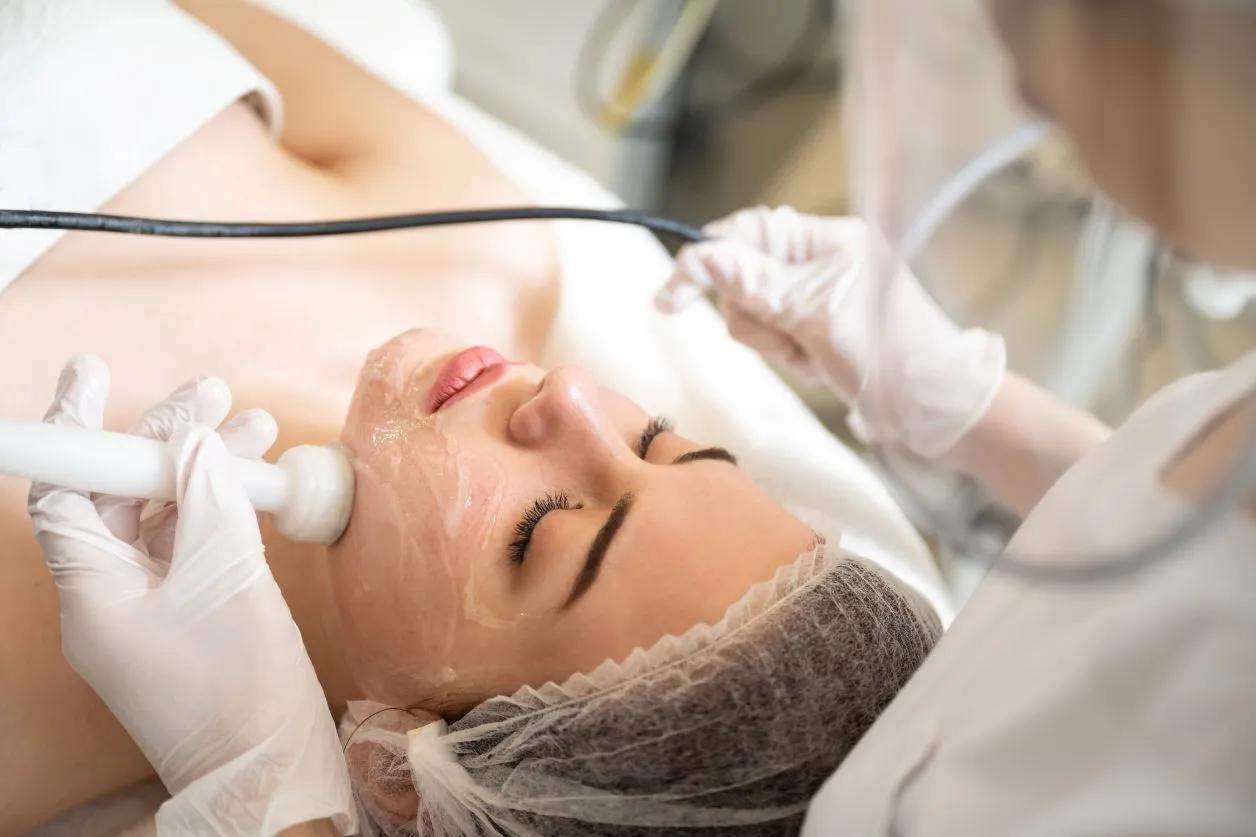
Skin doesn’t stay firm forever. Over time, collagen levels decline, elastin weakens, and gravity starts doing its thing. The result? You may have looser skin, fine lines, and areas that don’t bounce back the way they once did. Thankfully, skin tightening exists to address those exact changes without jumping straight to surgery.
Modern skin tightening treatments focus on encouraging the skin to rebuild itself. Instead of masking aging, these procedures aim to stimulate natural repair processes beneath the surface. When done correctly, the skin gradually looks firmer, smoother, and more lifted without altering facial features or requiring long recovery periods.
Knowing how skin tightening works helps set realistic expectations and makes it easier to choose the right option.
What Skin Tightening Actually Does
Skin tightening improves firmness by targeting skin laxity at different depths. It works by triggering collagen production, which gives skin its structure and resilience. As collagen fibers regenerate and reorganize, the skin becomes tighter and more supported.
This process does not stretch skin or pull it into place. Instead, controlled energy heats specific layers, causing immediate collagen contraction and long-term rebuilding. Over the following weeks and months, new collagen and elastin formation improve skin elasticity and texture.
Skin tightening is commonly used on facial and neck skin, but it also treats areas like the abdomen, arms, thighs, and knees. It’s especially helpful after weight loss, when loose skin may not respond to exercise alone.
How Energy-Based Skin Tightening Works
Different energy-based skin tightening technologies deliver energy in different ways, but the goal stays the same: stimulate collagen production below the skin’s surface without damaging the top layer.
One commonly used approach is the High-Intensity Focused Ultrasound (HIFU), which delivers ultrasound energy at specific depths. This precision allows the treatment to reach deeper support structures while leaving the outer skin untouched. Over time, the controlled heat triggers collagen fibers to contract and rebuild, leading to firmer-looking skin.
Ultrasound therapy can reach the deep dermal facial skin and, in some cases, the superficial musculoaponeurotic system, also known as the SMAS layer. That deeper reach explains why ultrasound skin tightening is often associated with visible lifting rather than surface-level smoothing alone.
Radio frequency works differently. Instead of targeting exact depths, radiofrequency energy warms the dermis and subcutaneous tissues more evenly. This gradual heating supports collagen remodeling and improves skin tone and texture over time, making it better suited for overall firmness rather than focused lifting.
Unlike laser therapy or intense pulsed light, ultrasound skin tightening does not rely on light energy. This makes it suitable for a wider range of skin tones and Fitzpatrick skin type classifications, without the pigmentation risks sometimes linked to light-based treatments.
Why Collagen Matters More Than You Think
Collagen production drives nearly every visible improvement from skin tightening. Collagen fibers act like scaffolding, keeping skin firm and lifted. With age, these fibers thin and weaken, leading to sagging skin and reduced elasticity.
When ultrasound energy or radio frequency reaches the correct focal depth, it creates micro-injuries that signal skin cells to repair themselves. This healing response increases collagen production and supports elastin remodeling. Over time, fibrous tissue strengthens, and the skin regains structure and that radiant glow.
Common Areas Treated With Skin Tightening
Skin tightening treatments are often used on areas where loose skin and skin laxity tend to show up first. These are spots where collagen loss becomes more noticeable over time or after physical changes.
Common treatment areas include:
Face and neck, with a focus on the jawline, cheeks, brow area, and facial and neck skin. Many people choose facial skin tightening as a non-surgical option for mild lifting, especially when they want improvement without brow lifts or submental lifts.
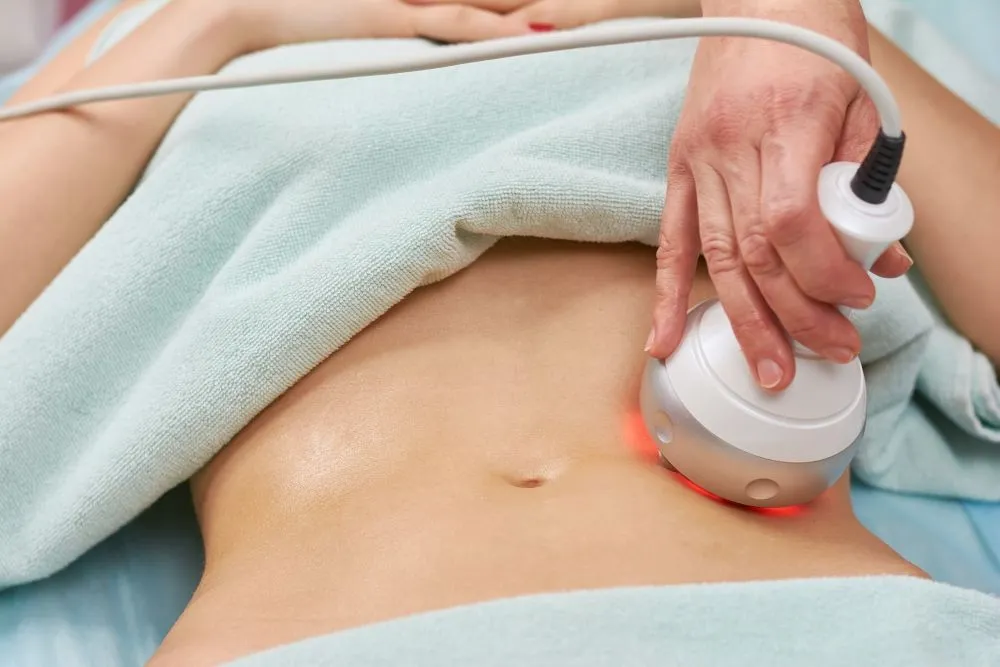
Abdomen, particularly after weight loss or pregnancy, when loose skin doesn’t tighten on its own. Skin tightening can support body contouring by improving firmness rather than removing excess skin.
Arms and thighs, where skin elasticity often declines with age, leading to visible sagging even in people who stay active.
Buttocks and knees, areas that commonly show skin laxity but are harder to treat with exercise alone.
Results depend on patient selection, overall skin quality, and the treatment protocols used.
Safety, Downtime, and What to Expect
Non-surgical skin tightening is generally well tolerated. Temporary redness, swelling, or mild tenderness may occur, but serious adverse effects are rare when treatments follow proper clinical practice.
Sessions typically last between 30 and 90 minutes, depending on the treatment area. No anesthesia is required, and downtime is minimal. Results improve gradually as collagen fibers regenerate.
Treatment protocols vary based on skin thickness, focal depth, and desired outcome. A qualified provider ensures proper device settings and safe energy delivery.
Who Is a Good Candidate for Skin Tightening
Skin tightening tends to work best for people who want visible improvement without committing to surgery. You may be a good candidate if:
You have mild to moderate skin laxity and want firmer-looking skin without surgical incisions
You’re starting to notice early sagging skin, especially along the face, neck, or body contours
You want gradual, natural-looking improvement rather than dramatic changes
You prefer non-surgical skin tightening with minimal downtime
Skin tightening may not be the best fit if you have severe loose skin or advanced aging that requires structural correction. In those cases, surgical options are more likely to deliver noticeable results.
Takeaway
Skin tightening supports the skin’s natural repair process by stimulating collagen production and improving elasticity over time. Using technologies like ultrasound therapy and radio frequency, it targets deeper layers without surgery or downtime. Results appear gradually, offering subtle yet meaningful improvement for sagging skin and skin laxity. When expectations expectations align with realistic outcomes, non-surgical skin tightening becomes a practical options for long-term skin rejuvenation and firmness without dramatic intervention.