

Split Queen Adjustable Bed on a Humid Night: Why the Two Sides May Feel Different
Humidity can make a familiar bedroom feel surprisingly uncomfortable. Sheets may cling to the skin, pillows can feel warmer than usual, and a mattress that normally feels comfortable may seem less inviting after several hours of sleep. These changes become even more noticeable when two people share a bed but have different sleeping habits, body temperatures, and preferred positions.
A split queen adjustable bed offers a different approach to shared sleep by allowing the two sides to be adjusted independently. However, separate movement does not automatically create identical comfort on both sides. Humidity, bedding choices, body heat, and mattress materials can all influence how each person experiences the same night. Understanding these factors helps couples make practical changes without assuming that the bed itself is the source of every problem.
Why Humidity Changes the Way a Bed Feels
Warm weather is not the only reason a bedroom can become uncomfortable overnight. Humidity affects how the body releases heat through evaporation. When the surrounding air contains considerable moisture, sweat evaporates less efficiently, making it harder for the body to cool itself. As a result, a person may feel sticky or overheated even when the room temperature does not seem particularly high.
The bed's immediate surroundings can intensify this sensation. Mattresses, pillows, blankets, and fitted sheets sit close to the body for hours, creating a small environment where heat and moisture can accumulate. Thick bedding or materials that hold moisture against the skin may make the surface feel increasingly uncomfortable as the night progresses.
Not everyone experiences these conditions in the same way. One sleeper might wake up feeling damp and restless, while the other remains comfortable under the same duvet. Differences in body temperature, clothing, sleep position, and individual sensitivity all contribute to this contrast. Recognizing these differences is the first step toward improving the shared sleep environment.
Two Adjustable Sides Do Not Always Mean Two Identical Sleep Experiences
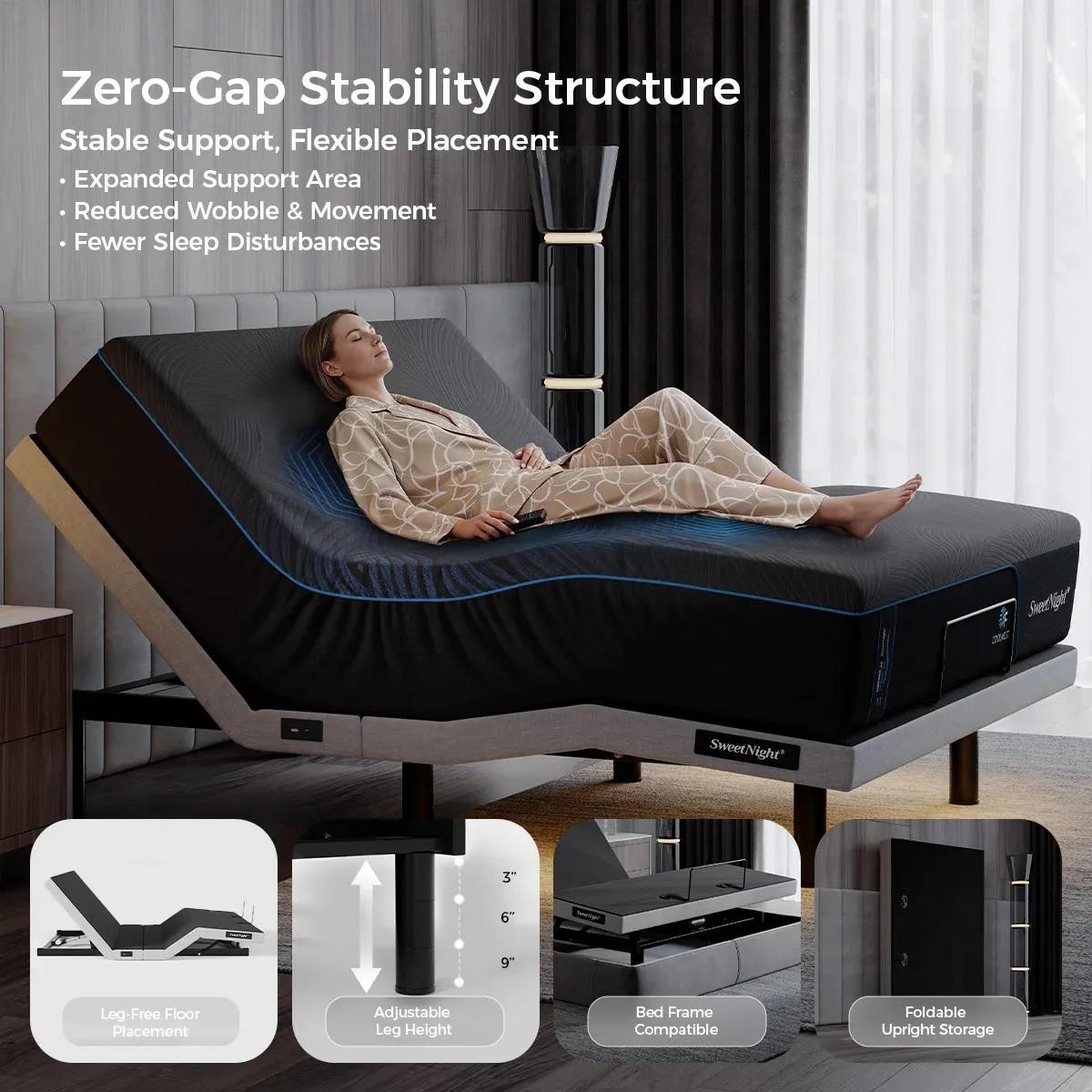
An independently adjustable bed gives each sleeper more control over their preferred position. One person might raise the head slightly to read before sleeping, while the other prefers a flatter surface. During the night, one side can be elevated for comfort without requiring the other sleeper to adopt the same angle.
Yet positioning is only one part of the experience. Even when both sides are set at similar angles, each person can feel the mattress differently because of differences in weight distribution, movement, and sleeping posture. A person who sleeps on their side may notice pressure around the shoulder and hip, while someone sleeping on their back may focus more on support around the lower back.
Humidity adds another variable. A sleeper who already feels warm may prefer lighter bedding and a more open sleeping position, whereas their partner may still want a blanket. Separate adjustments can accommodate some of these preferences, but they cannot remove moisture from the room or guarantee that the mattress surface will feel cool.
This distinction matters when evaluating comfort. If one person feels too warm while the other sleeps well, changing the entire bed setup may be unnecessary. The problem could be concentrated on one side, making small, targeted adjustments a more sensible starting point.
Bedding Choices Can Create a Noticeable Difference Between Sides
The bedding used by each person has a direct influence on how heat and moisture are experienced overnight. Even a shared mattress can feel different from one side to the other when the sleepers use different sheets, blankets, or mattress protectors.
Start with the layers closest to the body
Fitted sheets and mattress protectors form the first layer between the sleeper and the mattress. Their weave, thickness, and construction can affect how air moves around the sleeping surface and how moisture is managed. A heavy or poorly suited protector may make one side feel warmer, particularly when combined with a thick mattress cover.
Lightweight, breathable bedding is often a useful place to start in humid conditions. Cotton and other breathable fabrics can feel comfortable for many sleepers, although the result depends on the fabric's construction and the rest of the bedding. A label describing a material as breathable does not guarantee that every product will perform equally well in a warm room.
It is also worth checking whether the two sides use different bedding. One person may have a thick quilt, while the other uses only a thin sheet. That difference alone can explain why one sleeper feels noticeably warmer, even if both sides have the same mattress and adjustable settings.
Mattress Materials Influence Surface Comfort

The mattress itself plays a role in how heat, pressure, and moisture are experienced. Different materials respond differently to body weight and movement, so a mattress that feels supportive to one person may seem too soft, too firm, or too warm to another.
Memory foam is known for contouring around the body. This close fit can help distribute pressure, but the sensation may also feel more enveloping than that of a less conforming surface. Some sleepers interpret that close contact as warmth, especially when the bedroom is already humid. Mattress design, foam formulation, cover fabric, and ventilation can all influence the final experience, so it is not accurate to assume that every memory foam mattress feels the same.
For people researching the best cooling memory foam mattress for hot sleepers, it helps to look beyond a single cooling claim. Consider the overall construction, the feel of the comfort layers, the mattress cover, and whether the design suits the sleeper's preferred position. Cooling-oriented materials may improve the surface experience, but they do not replace reasonable room ventilation or make every sleeper respond identically.
Support also matters. If a mattress allows one person's hips to sink too far, that person may repeatedly change positions in search of comfort. Those movements can disturb a partner, creating the impression that the mattress is causing several problems at once. Evaluating pressure relief and support alongside temperature comfort gives a more complete picture.
Room Conditions Matter More Than Many Sleepers Expect
A bed can only do so much when the bedroom remains warm and damp throughout the night. Poor ventilation, sunlight entering through windows during the day, and moisture from cooking or showering elsewhere in the home can all influence indoor conditions.
When outdoor air is less humid than indoor air, ventilation may help remove trapped moisture. However, opening windows during very humid weather can sometimes introduce more moisture rather than less. A fan can improve air movement and make sweat evaporation more comfortable, although it does not necessarily reduce the amount of moisture in the room.
An air conditioner can help manage both temperature and, depending on the unit and operating conditions, indoor humidity. A dehumidifier may be useful when excess moisture is a persistent problem. The appropriate choice depends on the climate, room size, ventilation, and existing equipment.
It is also helpful to keep the bedroom as consistent as practical. Closing curtains during strong daytime sunlight, allowing damp towels to dry elsewhere, and avoiding unnecessary heat sources can reduce the burden on cooling equipment. These steps may seem unrelated to mattress comfort, but the sleeping surface cannot be considered separately from the environment around it.
How the CoolNest Mattress Fits into a Humid-Weather Setup
A mattress should be considered as one part of a complete sleep system rather than the only solution to nighttime discomfort. The SweetNight CoolNest Mattress is one option to examine when reviewing the surface feel and support of a shared bed. Before choosing any mattress, sleepers should consider its construction, firmness, dimensions, and compatibility with their preferred sleeping positions.
For couples experiencing different levels of warmth, it is useful to assess each person's needs separately. One sleeper may prioritize pressure relief when sleeping on their side, while the other may prefer a firmer feel when sleeping on their back. Both may want a surface that feels comfortable during warm weather, but their ideal balance of cushioning and support can differ.
The CoolNest Mattress can be reviewed alongside the rest of the bedroom setup, including the adjustable base, sheets, pillows, and room temperature. Checking the product specifications and dimensions is particularly important before purchasing, since the mattress must suit the intended bed configuration. A suitable mattress can contribute to overall comfort, but no mattress can guarantee that every sleeper will remain cool on a humid night.
Finding the Cause Before Changing the Whole Bed
When one side of a shared bed feels warmer than the other, a few nights of simple observation can reveal useful patterns. Notice whether discomfort begins as soon as you lie down or develops after several hours. Consider whether it happens in every sleeping position or mainly when lying on the side, back, or stomach.
The timing can offer clues. If both sleepers become uncomfortable as the night grows warmer, the room environment may be the main issue. If one person feels hot soon after getting into bed while the other remains comfortable, differences in bedding, clothing, body temperature, or mattress contact may be more relevant.
Changing one variable at a time makes these observations more useful. Try lighter bedding on the warmer side, adjust the head or foot position if the base allows it, or improve air circulation. If the discomfort continues, examine the mattress's support and surface feel before assuming that an adjustable mechanism is responsible.
It is also worth checking that the adjustable base is being used according to its instructions and that the mattress is compatible with it. A base should not be forced into positions outside its intended range, and unusual noises or movement problems should be investigated separately from temperature concerns.
Frequently Asked Questions
Can humidity make one side of a bed feel warmer than the other?
Yes. Humidity can make cooling through sweat evaporation less effective, but each sleeper may respond differently. Body temperature, bedding, clothing, sleeping position, and mattress contact can cause one person to feel warmer even when both share the same room.
Does raising the head of an adjustable bed make it cooler?
Not necessarily. Raising the head can change posture and may improve comfort for some sleepers, but it does not directly remove heat or reduce humidity. The effect depends on personal preference, mattress construction, and the surrounding sleep environment.
Should couples replace their mattress if only one person sleeps hot?
Not immediately. Start by reviewing bedding, pillows, clothing, ventilation, and room conditions. If one sleeper continues to experience discomfort, evaluating the mattress's surface feel, support, and construction may help determine whether a replacement is worthwhile.
A comfortable humid-weather sleep setup rarely depends on one feature alone. Independent adjustments can help couples accommodate different positions, while breathable bedding, suitable mattress materials, and better control of room conditions address other sources of discomfort. By identifying what makes each side feel different, sleepers can make more informed changes and build a setup that works for both people.