

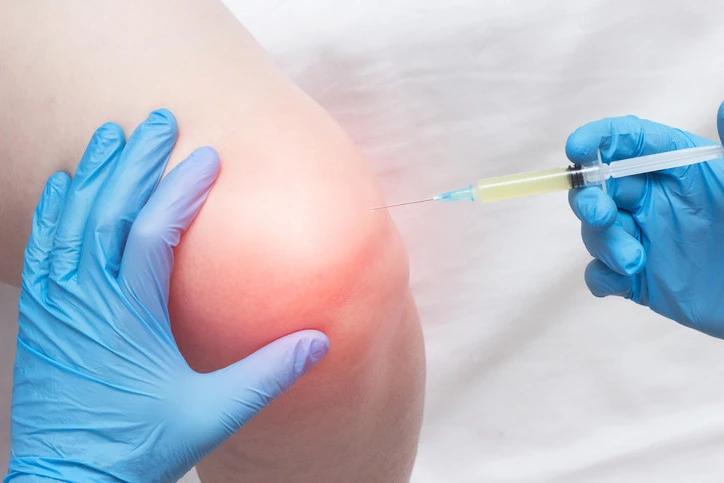
Knee pain has a way of creeping into everything. Walking the dog feels longer. Stairs become negotiations. Even sitting too long can trigger that dull, annoying ache. For a lot of people dealing with arthritis or overuse injuries, conservative fixes like ice, physio, and painkillers eventually stop cutting it.
That’s usually when doctors start talking about Knee steroid injections, and if you want a clear, practical breakdown of how they work, who they’re for, and what to expect, this guide explains it well.
Why the Knee Gets So Angry in the First Place
The knee is essentially a hinge that takes abuse all day long. Walking, twisting, loading, stopping, status again up. Over years, the cartilage thins, infection builds, and abruptly the joint stops gliding and begins offevolved grinding.
Common causes doctors see:
Osteoarthritis
Meniscus irritation
Post-injury inflammation
Overuse from sport or work
Swelling inside the joint capsule
Pain often comes less from damage itself and more from inflammation around it. That’s where steroids come in.
What a Steroid Injection Actually Does
A steroid injection doesn’t rebuild cartilage. It doesn’t reverse arthritis. What it does is calm the storm inside the joint. The remedy is a corticosteroid, a robust anti-inflammatory. Once injected immediately into the knee space, it reduces swelling, irritation, and stress on ache receptors.
Translation: Less inflammation = less pain = easier movement.
Most people notice:
Reduced stiffness
Better range of motion
Easier walking and bending
Less night pain
Sometimes comfort suggests up in hours. Sometimes it takes some days. Either way, the purpose is practical improvement, now no longer perfection.
Who Usually Benefits the Most
Not everyone with knee pain is a good candidate. Steroid injections paintings first-rate while infection is the primary problem, now no longer mechanical collapse.
They’re commonly used for people who:
Have knee osteoarthritis
Can’t tolerate NSAIDs long term
Need pain relief to stay active
Want to delay surgery
Are stuck in a flare-up phase
Athletes sometimes use them too, but carefully. You don’t inject a knee just to mask damage and keep smashing it. Smart clinicians pair injections with rehab, not shortcuts.
The Actual Procedure
People imagine giant needles and horror scenes. Reality? It’s quick.
Typical process:
Skin cleaned
Local anaesthetic if needed
Fine needle guided into the joint
Medication injected
Done in minutes
Some clinics use ultrasound for accuracy. Others rely on anatomy landmarks. Either way, discomfort is brief and manageable. Afterward, most doctors say: take it easy for 24–48 hours.
How Long Does It Last?
This is the honest part people skip.
Relief can last:
A few weeks
A few months
Occasionally longer
It depends on:
Severity of arthritis
Activity level
Weight load on the joint
Rehab compliance
Steroids aren’t meant to be injected endlessly. Most specialists limit frequency to avoid weakening tissues over time. Think of them as a window of relief, not a lifetime subscription.
Pros and Real-World Limits
Let’s balance it properly.
Upsides:
Fast pain relief
Non-surgical
Local treatment
Helps people move again
Limits:
Temporary
Doesn’t rebuild cartilage
Repeated use has risks
Not a cure
The best results happen when injections support movement, physio, weight control, and better mechanics, not replace them. If someone gets relief and goes straight back to bad habits, pain usually returns on schedule.
Are There Side Effects?
Most people do fine, but nothing is zero-risk.
Possible issues:
Temporary flare after injection
Mild swelling
Skin thinning at site
Rare infection
Repeated use weakening tissues
That’s why good clinics assess properly instead of injecting everyone who walks in limping.
When People Start Considering Injections
Usually it’s not the first step. It’s the “okay, now what?” moment.
People arrive after:
Physio plateau
Painkillers stop helping
Activity drops
Sleep suffers
Quality of life slides
At that point, calming inflammation can reopen the door to rehab instead of forcing surgery discussions too early.
The Smart Way to Use Steroids for the Knee
Steroid injections work best when they’re part of a plan, not a panic move.
Good strategy looks like:
Injection
Short rest period
Structured physiotherapy
Strengthening
Load management
Lifestyle adjustments
The injection buys you movement. What you do with that movement determines how long results last.
Final Thought
Knee pain doesn’t usually explode overnight. It builds quietly until one day tying your shoes feels like work. Steroid injections aren’t miracle cures, but for the right knee at the right time, they’re one of the most practical tools medicine has.
They reduce inflammation, restore function, and give people breathing room, not forever, but long enough to fix what really needs fixing. And honestly? Sometimes being able to walk without thinking about every step is already a win.