

The Digital Shift in Weight Management: How Modern Telehealth Platforms Are Transforming Personal Health
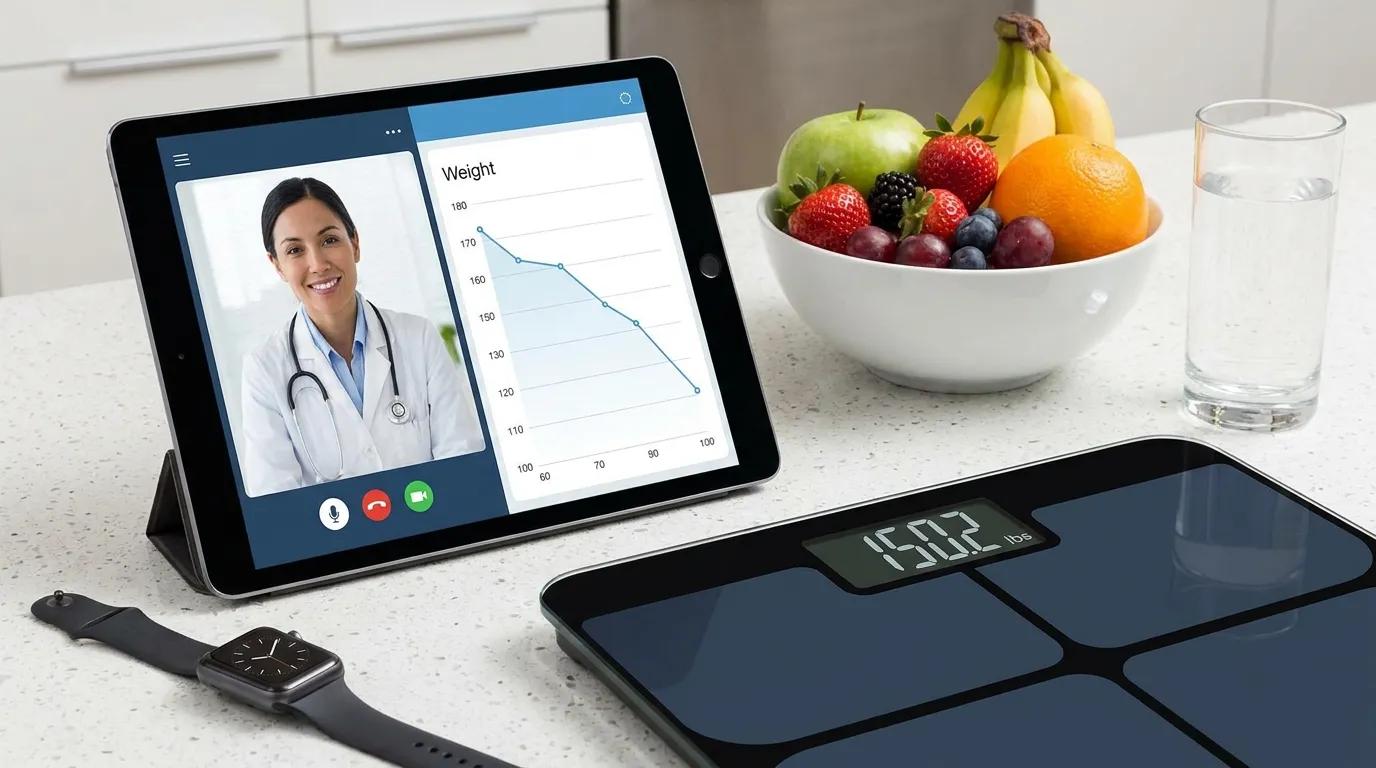
The landscape of personal wellness and healthcare has undergone a massive transformation, driven by the rapid expansion of digital medicine. Today, individuals seeking to manage their weight no longer face the restrictive necessity of frequent, time-consuming visits to traditional, brick-and-mortar clinics. Instead, modern telehealth infrastructure allows patients to seamlessly connect with licensed medical professionals, explore personalized clinical treatments, and maintain continuous communication with care teams through intuitive online patient portals. This comprehensive digital shift addresses the growing demand for accessible, ongoing healthcare solutions that integrate into a fast-paced lifestyle.
According to an in-depth analysis by All About Health Today, virtual health platforms like Zealthy are redefining the standard of remote care by combining clinical oversight, insurance navigation, and behavioral coaching into a single subscription service. This integrated model ensures that weight management is treated as a long-term medical journey rather than a one-time transaction. By centering the patient experience around an accessible digital dashboard, such programs attempt to bridge the gap between initial clinical consultations and the sustainable lifestyle modifications necessary for lasting success.
How the Virtual Medical Model Operates
The functionality of a comprehensive online weight management program relies on a structured, multi-phase clinical process designed to prioritize patient safety and personalization. The journey begins with a thorough digital health assessment, where users submit detailed information regarding their medical history, current prescription medications, specific weight goals, and experienced symptoms. This initial data collection serves as the foundation for the patient’s electronic medical record, allowing a licensed healthcare provider to thoroughly review their clinical background before making any treatment recommendations.
Following the assessment, a licensed medical provider evaluates the file to determine if prescription intervention is appropriate, completely eliminating the concept of automated, on-demand drug dispensing. Depending on the individual's specific medical eligibility, the clinical discussion may involve advanced GLP-1 medications, alternative pharmaceutical therapies, or entirely non-medicinal approaches. Furthermore, the operational structure incorporates dedicated insurance coordination teams that assist patients in navigating the complex process of prior authorizations and pharmacy benefits, helping to clarify out-of-pocket expenses before treatment commences.
Understanding Variables: Costs, Insurance, and Medication Options
The utilization and financial investment of online health platforms depend heavily on several variables, ranging from insurance policy structures to the specific type of medication prescribed. Telehealth companies generally operate on a recurring monthly membership model, which covers administrative services, provider messaging, and coaching, while the actual cost of medication remains a separate expense. Financial clarity is essential for consumers, as introductory promotional rates eventually transition into standard monthly fees, and total expenditures fluctuate significantly based on whether a patient's insurance covers brand-name pharmaceuticals or if they must opt for self-pay pathways.
When it comes to the medications themselves, the clinical landscape includes both brand-name FDA-approved drugs and compounded formulations. Branded GLP-1 medications carry specific, approved indications—such as chronic weight management or blood sugar control for type 2 diabetes—and their accessibility is largely governed by commercial insurance approvals. Conversely, compounded alternatives are frequently utilized by self-pay patients during periods of manufacturing shortages. These customized formulations are prepared by specialized pharmacies based on individual prescriptions; however, because they do not undergo the same pre-market FDA review as branded drugs, patients must exercise diligence regarding exact dosages, pharmacy credentials, and structural adjustments directed by their care team.
Strategic Considerations for Remote Healthcare Consumers
Virtual weight management platforms are primarily utilized when individuals seek a high degree of convenience, ongoing accountability, and centralized care without geographical constraints. While the remote model offers significant advantages—such as eliminating routine travel and providing continuous access to weight-loss coaching—it may not be universally suitable for every patient. Those who require frequent in-person physical examinations, prefer standalone medical consultations without a recurring subscription, or expect guaranteed medication approvals may find traditional clinical environments more aligned with their expectations. Ultimately, entering a digital care program requires a clear understanding of membership terms, financial obligations, and the vital role of professional medical oversight in achieving wellness objectives.